

 English
 Español
Meticulous selection for top grade quality.



PRODUCTS
CONTACT
- Phone: +86-15195663876
- Email: [email protected]
- Address: No.8, Police Road, Dongqiao, Huangdai, Xiangcheng District, Suzhou, China
-
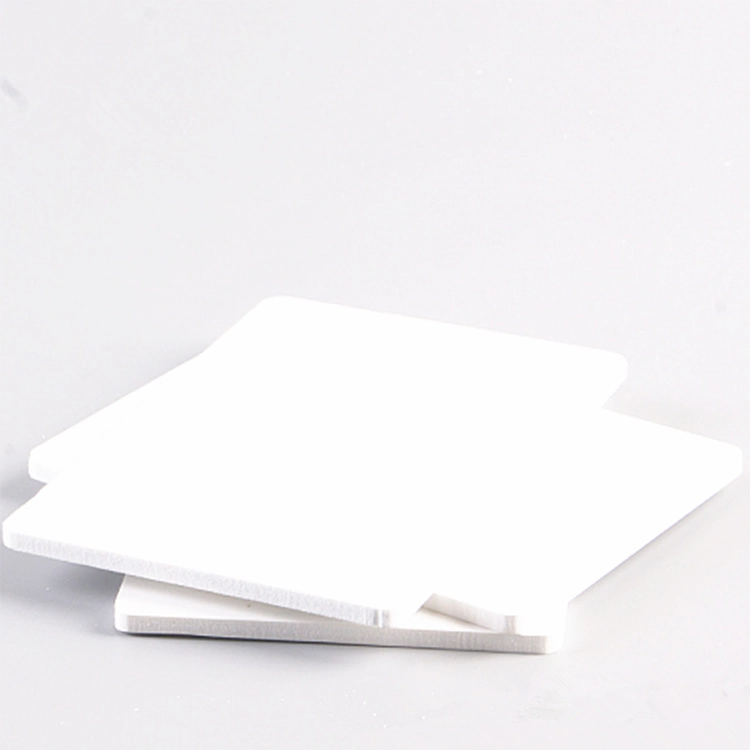
4x8 PVC Ceiling Panel Board Interior Wall Bathroom Decoration
-
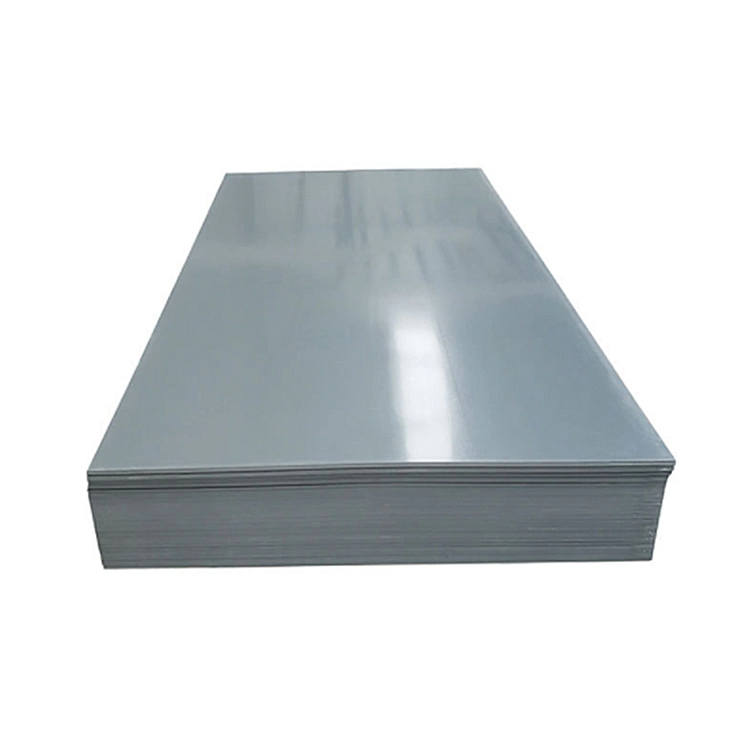
Roof Cover Rigid Hard White Gray 4x8 Ft Plastic Pvc Sheet
-
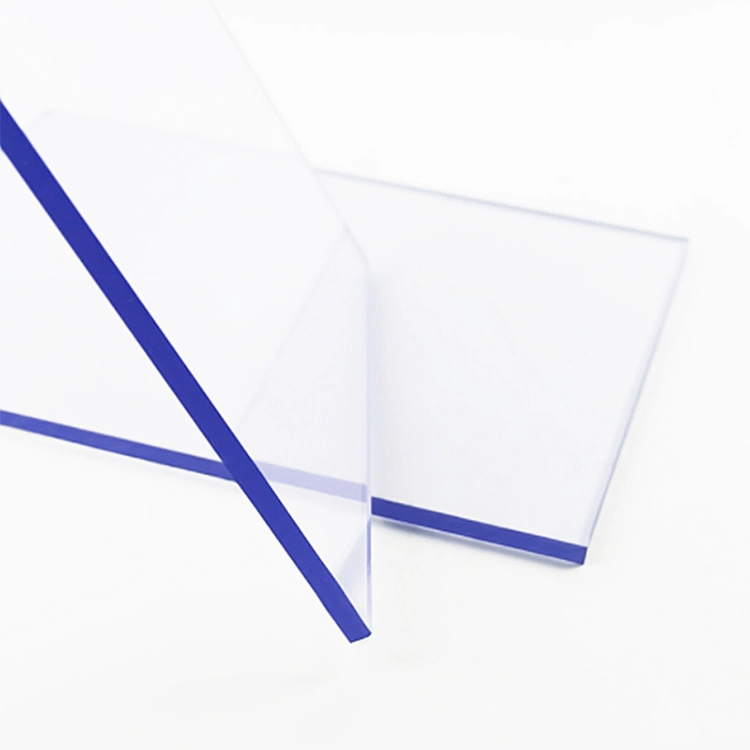
1.5mm 30mm Hard Rigid Super Clear PVC Window Sheets
-

4*8 Ft Sound Insulation PVC Foam Board Sheet
-
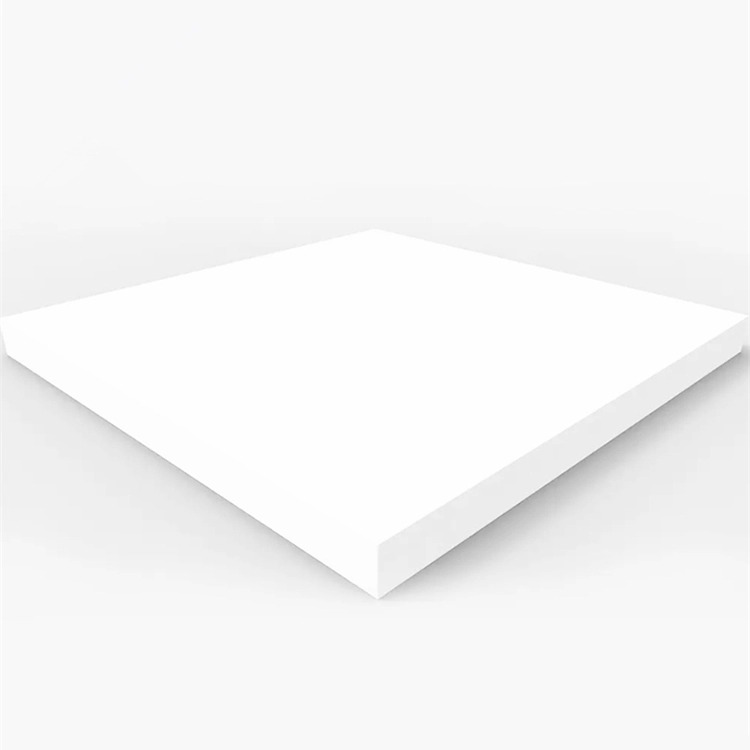
White High Density Plastic Hard Forex PVC Foam Board
-
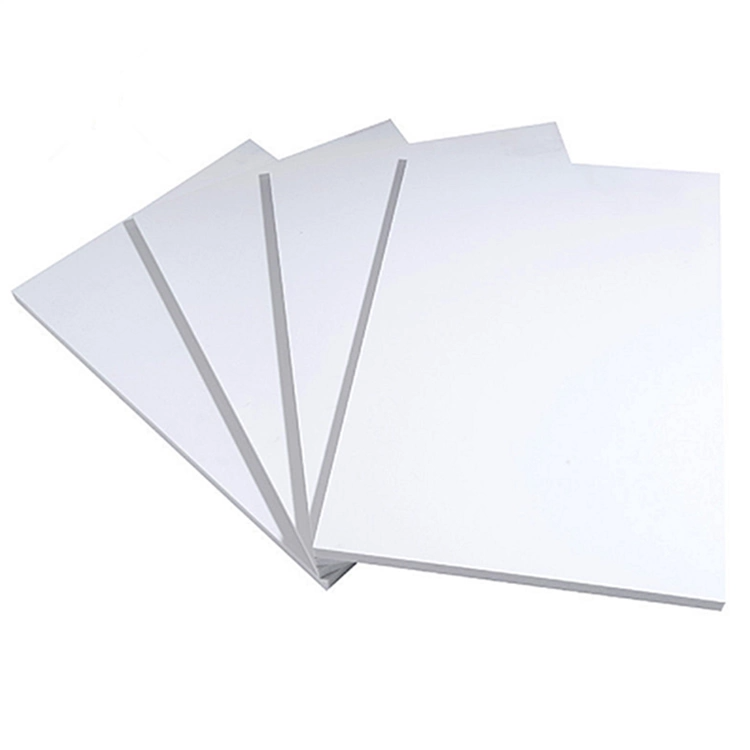
High Density Rigid PVC Foam Board For Aquarium
PVC (Polyvinyl Chloride) sheets are a type of versatile plastic material used in various applications due to their durability, chemical resistance, and affordability. PVC sheets are highly durable and resistant to abrasion, impact, and weathering. They can withstand harsh environmental conditions, making them suitable for both indoor and outdoor applications.PVC sheets exhibit resistance to chemicals, acids, alkalis, and corrosive substances, making them ideal for use in environments where exposure to chemicals is a concern, such as laboratories, chemical processing plants, and storage facilities.PVC sheets are inherently waterproof, making them suitable for applications where moisture resistance is required, such as in wet rooms, bathrooms, kitchens, and marine applications.PVC sheets are available in a variety of thicknesses, colors, finishes, and textures, offering flexibility in design and application. They can be easily cut, drilled, routed, and welded to create customized shapes and sizes for different projects.
About us
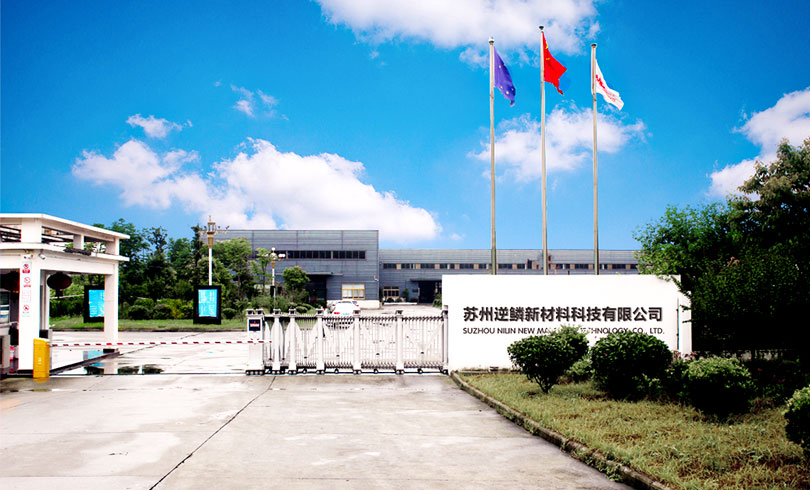
Suzhou Nilin New Material Technology Co., Ltd.
Suzhou Nilin New Material Technology Co., LTD., is famous China PVC Sheet Manufacturers and PVC Sheet factory, as a professional set PC series products R & D, production and sales of industry and trade integration enterprises. To provide professional, personalized and humanized service for domestic and foreign customers is the direction of our continuous efforts and long-term adherence.
Our company has a professional, mature and high-tech production line, which is used to produce PC sheet, PC board, PC frosted board, PC particleboard, PC soundproof board, etc., and provides the service of processing these PC boards into various formed products. Products include PC blister products, PC die, PC protective cover for mechanical equipment. Electronic products PC shield, PC mask, PC film, PC board, PC lamp shade, PC blister light box, lamp shade, PC lens, riot shield, explosion-proof polycarbonate PC glass, building polycarbonate PC lamp shade and various Angle bending products.
Our products are exported to many overseas countries and have won wide praise from customers. Quality is our primary criterion, service is our loyalty; Survival by quality, development by service. This is our lifelong commitment to each customer, and it is also our original heart. Here, we sincerely welcome friends at home and abroad to contact us, establish mutually beneficial and win-win business relations, and become each other's reliable partners.
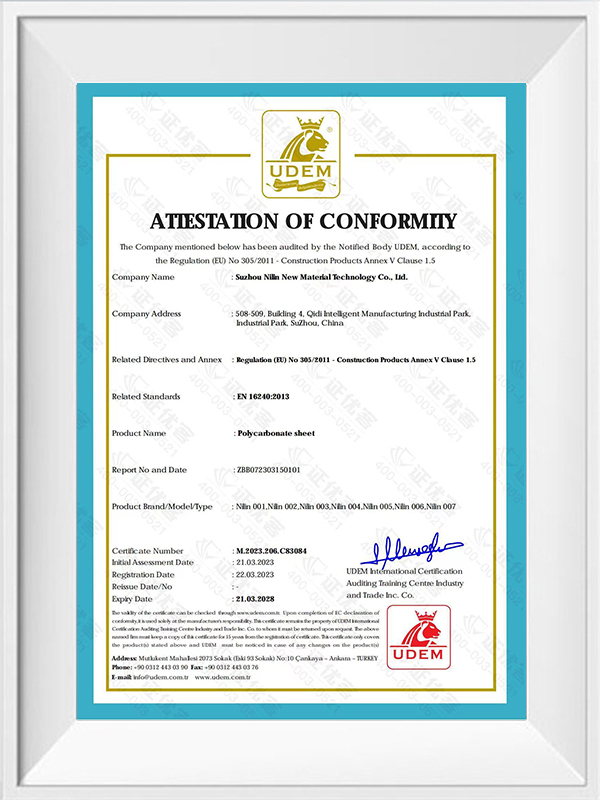
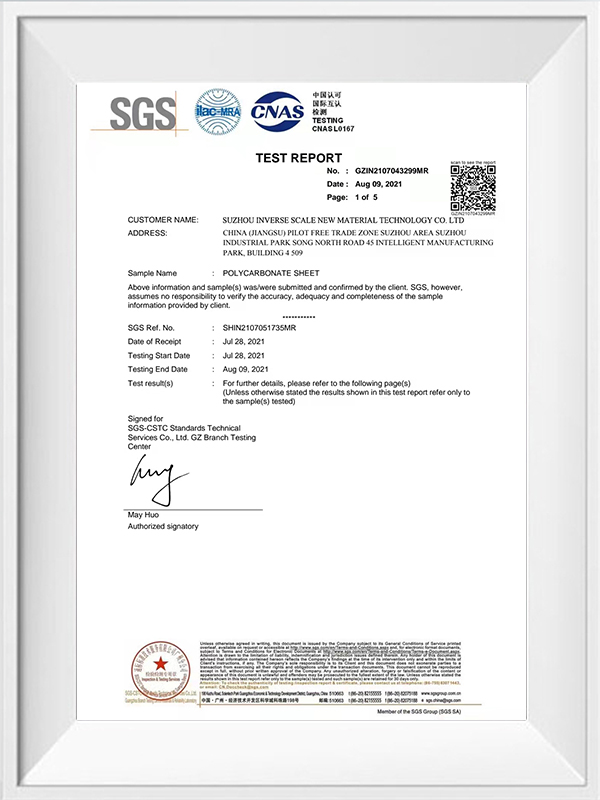
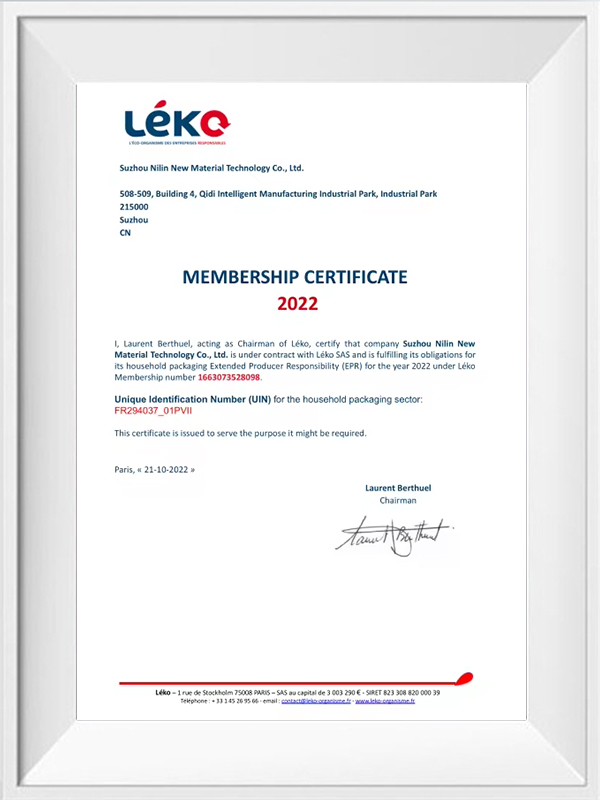
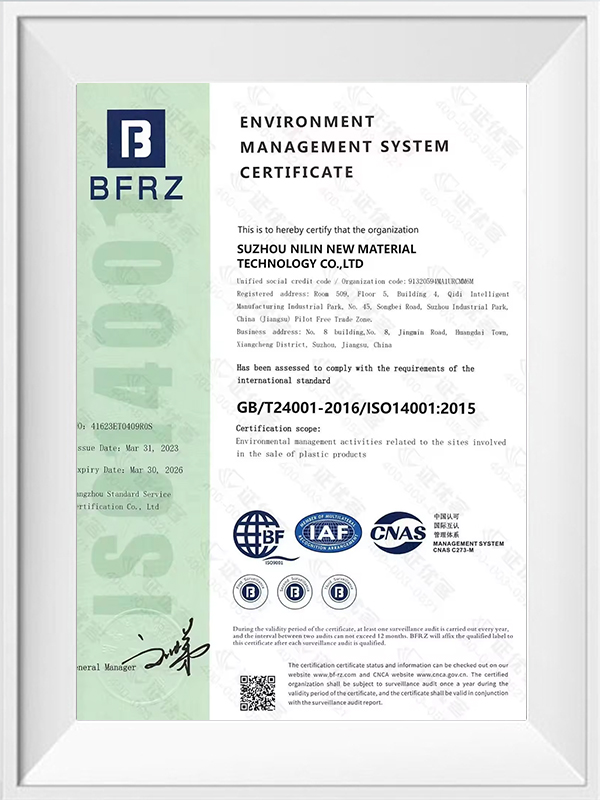
Certificate Of Honor
News
-
What Makes Corrugated Polycarbonate Sheets Different from Other Roofing Plastics Corrugated polycarbonate sheets combine the raw toughness ...
READ MORE -
Acrylic Sheet Strength at a Glance Acrylic sheet is 6 to 17 times more impact-resistant than standard glass of the same thickness, yet weig...
READ MORE -
The Short Answer Acrylic sheet is the better choice when optical clarity and appearance matter most; polycarbonate sheet wins when impact r...
READ MORE -
Best Tools for Cutting Corrugated Polycarbonate The most effective tool for cutting corrugated polycarbonate sheets is a circular saw with ...
READ MORE
Message Feedback
PVC Sheet Industry knowledge
Are PVC sheets suitable for use in corrosive environments?
PVC sheets have good applicability in some corrosive environments. Due to its excellent chemical stability and corrosion resistance, PVC materials are often used in the following corrosive environments:
PVC sheets are commonly used in the chemical industry, including the manufacturing of storage tanks, pipes, valves, pumps and other equipment to withstand the erosion of various corrosive chemicals.
Because PVC sheets have good acid and alkali resistance and electrical insulation, they are often used in the manufacture of electroplating tanks, storage tanks, drainage pipes and other equipment.
PVC sheets are often used in water treatment equipment, such as sewage treatment plants, water treatment pipelines and storage tanks, to withstand wastewater containing acid and alkaline substances.
PVC sheets are widely used in laboratories to manufacture chemical reagent bottles, experimental benches, exhaust hoods and other equipment to resist the erosion of various corrosive chemicals.
PVC sheets are also used in the food processing industry, such as yogurt production equipment, food transportation pipelines and storage containers, to withstand acid and alkaline substances in food.
What is the chemical stability of PVC sheets?
The chemical stability of PVC sheets is mainly reflected in the following aspects:
PVC sheets have good corrosion resistance to a variety of chemical substances, including acids, alkalis, salts, solvents, etc., and are not easily eroded or damaged by these chemical substances.
PVC sheet itself has a certain degree of chemical inertness, does not easily react with other chemical substances, and can remain stable in a variety of chemical environments.
PVC sheets have certain antioxidant properties and can resist the erosion of oxygen, ultraviolet rays and other oxidants, extending their service life.
PVC has a stable molecular structure. The chlorine atoms in the molecule form strong covalent bonds with carbon atoms, making the molecule highly stable and difficult to decompose or degrade.
PVC sheets can withstand high and low temperatures within a certain range and are not prone to chemical reactions or structural changes due to temperature changes.
PVC sheets have stable electrical properties and are not susceptible to electrochemical corrosion or dielectric breakdown. They are suitable for fields such as electrical insulation and electronic devices.

Phone: +86-15195663876
WhatsApp: +86-14762669798
E-mail:
[email protected]
[email protected]
Address: No.8, Police Road, Dongqiao, Huangdai, Xiangcheng District, Suzhou, China
Product Category
Mobile
