English
 Español


Provide you with the latest enterprise and industry news.
Content
- 1 What Makes Corrugated Polycarbonate Sheets Different from Other Roofing Plastics
- 2 Core Physical Properties You Should Evaluate Before Buying
- 3 Standard Specifications: Thickness, Profile, and Width
- 4 Where Corrugated Polycarbonate Sheets Are Most Commonly Used
- 5 Corrugated vs. Hollow (Multiwall) Polycarbonate: Which Should You Choose?
- 6 Key Factors That Affect Long-Term Performance
- 7 Colour and Finish Options: More Than Just Clear
- 8 How to Evaluate a Corrugated Polycarbonate Sheet Supplier
- 9 Corrugated Polycarbonate vs. Corrugated Fibreglass: The Case for Switching
What Makes Corrugated Polycarbonate Sheets Different from Other Roofing Plastics
Corrugated polycarbonate sheets combine the raw toughness of polycarbonate resin with a wave or sinusoidal profile that dramatically increases structural rigidity. The result is a panel that weighs roughly 1/6th as much as glass of equivalent thickness yet resists impact forces that would shatter glass outright. That combination — light weight, high strength, and light transmission — is why this material has replaced traditional corrugated fibreglass and many metal roofing panels across residential, commercial, and agricultural projects worldwide.
As a manufacturer, we work with polycarbonate resin daily, and the performance gap between a properly specified corrugated PC sheet and a generic plastic roofing panel is significant. This guide covers the key technical properties, common applications, specification choices, and installation considerations you need to make a confident purchasing decision.
Core Physical Properties You Should Evaluate Before Buying
Not all corrugated polycarbonate sheets perform equally. The properties below are the ones that separate long-lasting panels from those that yellow and crack within a few seasons.
Impact Resistance
Polycarbonate is one of the toughest transparent thermoplastics available. Standard corrugated PC sheet absorbs impact energy through elastic deformation rather than brittle fracture — a critical advantage for roofing applications in hail-prone regions. Impact strength typically ranges from 600 to 850 J/m (notched Izod), roughly 200 times more resistant than standard glass. This is not a marketing claim; it reflects the inherent molecular structure of polycarbonate, which has a long, flexible polymer chain that dissipates energy rather than propagating cracks.
UV Protection and Long-Term Clarity
Bare polycarbonate resin degrades under prolonged UV exposure, yellowing and losing impact strength over time. Quality corrugated sheets address this with a co-extruded UV-resistant layer on one or both surfaces. A properly UV-protected sheet should maintain more than 85% of its original light transmission after 10 years of outdoor exposure. Always ask suppliers whether UV protection is co-extruded (integral to the surface layer) or simply applied as a coating — co-extruded protection is far more durable and cannot be sanded or washed off.
Light Transmission
Clear corrugated polycarbonate typically transmits 82–90% of visible light, comparable to glass. Tinted variants (bronze, grey, green, opal) reduce transmission to between 25% and 65% depending on colour and thickness, which is useful for controlling solar heat gain in warm climates or diffusing harsh light inside greenhouses and skylights.
Operating Temperature Range
Corrugated polycarbonate maintains structural integrity across a working temperature range of approximately −40 °C to +120 °C (−40 °F to +248 °F). This makes it suitable for both cold-climate greenhouses and hot industrial shed roofing without the brittleness issues associated with acrylic or standard PVC alternatives at low temperatures.
Standard Specifications: Thickness, Profile, and Width
Choosing the right specification depends on span distances, expected wind and snow loads, and the visual result you want. The table below summarises how commonly available specifications align with typical use cases.
| Thickness | Typical Sheet Width | Max Recommended Purlin Span | Best For |
|---|---|---|---|
| 0.8 mm | 1,050 mm / 1,200 mm | 500 mm | Light garden awnings, temporary shelters |
| 1.0 mm | 1,050 mm / 1,200 mm | 600 mm | Residential carports, pergolas, patio covers |
| 1.2 mm | 1,050 mm / 1,200 mm | 700 mm | Greenhouses, agricultural buildings, pool enclosures |
| 1.5 mm+ | 1,050 mm / 1,200 mm | 900 mm | Industrial sheds, high wind-load or snow-load areas |
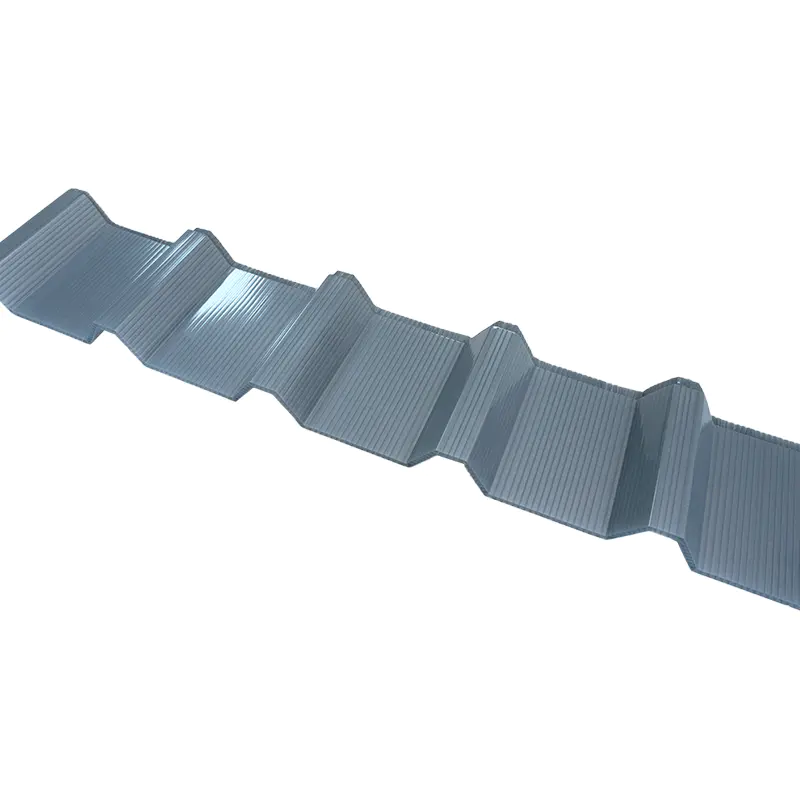
Profile pitch — the distance between wave crests — also affects load-bearing capacity and overlap requirements. The two most common profiles are the 76 mm sinusoidal wave (compatible with many fibre cement and metal roofing sheets) and the 130 mm trapezoidal profile, which offers a deeper rib height and higher section modulus for wider spans. Confirming profile compatibility with existing roofing before ordering avoids costly adjustments on site.
Where Corrugated Polycarbonate Sheets Are Most Commonly Used
The material's combination of daylighting, weather resistance, and ease of cold-forming makes it a practical choice across a surprisingly wide range of applications.
Residential Roofing and Outdoor Structures
Carports, pergolas, verandas, and patio covers represent the largest volume application for corrugated polycarbonate in residential construction. Clear or lightly tinted sheets allow natural light into outdoor living areas without direct sun glare, and the lightweight profile — typically under 1.5 kg/m² — imposes minimal load on timber or aluminium framing. Many homeowners also use it for garden shed roofing, where a translucent roof eliminates the need for artificial lighting during the day.
Greenhouse and Agricultural Buildings
High light transmission combined with UV filtration makes corrugated polycarbonate a standard glazing material in commercial horticulture. Plants receive the visible spectrum they need for photosynthesis while harmful UV is reduced, protecting both the crop and any interior fittings. The corrugated profile also handles the condensation drainage that flat or hollow sheets can sometimes collect along internal channels.
Industrial and Agricultural Sheds
Poultry houses, livestock shelters, storage warehouses, and processing facilities all benefit from a roofing material that reduces reliance on artificial lighting. Studies in poultry production have shown that natural daylighting through translucent roofing panels can reduce electricity consumption for lighting by 30–60% compared to fully opaque metal roofs with supplemental artificial light. Corrugated polycarbonate panels are typically installed as ridge or lean-to daylight strips within a metal or fibre cement roof, rather than covering the entire roof area.
Swimming Pool Enclosures and Canopies
The combination of moisture resistance, chemical resistance to chlorine vapour, and UV stability makes corrugated polycarbonate well-suited to pool enclosure roofing. Unlike metal panels, it does not corrode in the humid, chemically active atmosphere around pools. Unlike glass, it will not shatter under impact from pool equipment or unexpected physical loads.
Corrugated vs. Hollow (Multiwall) Polycarbonate: Which Should You Choose?
Customers frequently ask us whether to specify corrugated single-skin panels or hollow multiwall sheets. The answer depends primarily on thermal performance requirements and structural context.
| Property | Corrugated Sheet | Hollow (Twin-Wall) Sheet |
|---|---|---|
| Thermal insulation (U-value) | Lower (single skin) | Better (trapped air layer) |
| Light transmission | Higher (82–90%) | Moderate (70–82%) |
| Cost per m² | Lower | Higher |
| Profile compatibility | Matches metal/fibre cement corrugated | Requires dedicated framing |
| Cold-forming on site | Yes (curved roofs possible) | Limited |
| Condensation drainage | Natural (external surface) | Requires channel management |
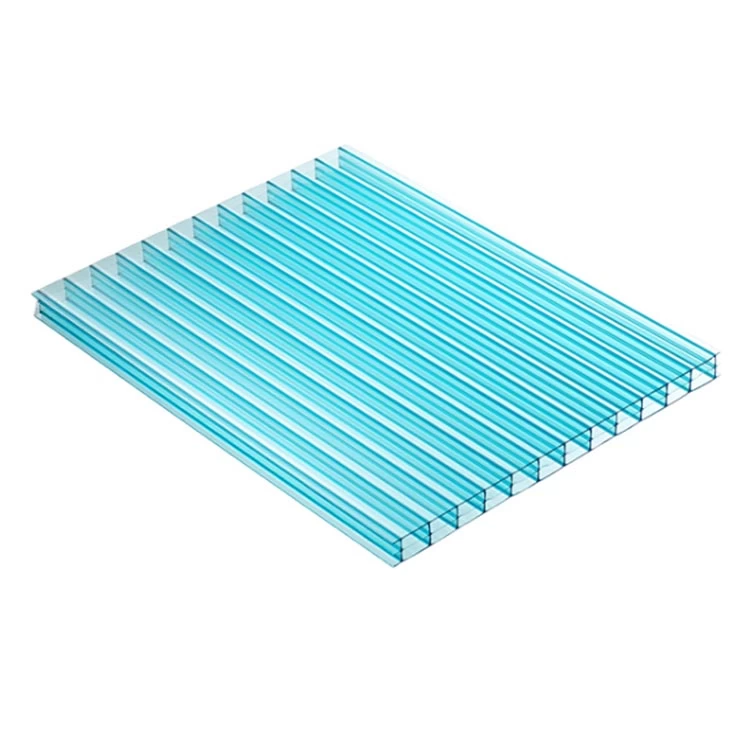
For projects where thermal insulation is the primary driver — such as heated conservatories or year-round climate-controlled greenhouses — polycarbonate hollow sheets are the better choice. For straightforward roofing applications where maximum light and budget efficiency matter most, corrugated single-skin panels consistently deliver better value.
Key Factors That Affect Long-Term Performance
Raw Material Quality
The single largest variable in corrugated polycarbonate quality is whether the sheet is manufactured from virgin resin or regrind. Virgin polycarbonate resin from established producers such as Covestro (Makrolon) or SABIC (Lexan) carries consistent molecular weight and controlled additive packages. Regrind material — recycled from industrial off-cuts or post-consumer sources — varies in molecular weight and may have degraded UV stabilisers. The practical consequence is a reduction in impact strength of 20–40% and accelerated yellowing compared to virgin-resin equivalents. We manufacture exclusively with virgin raw materials to ensure consistent, certifiable performance.
UV Coating Integrity
As mentioned above, the UV-resistant surface layer is the single most critical element of a corrugated polycarbonate sheet's longevity. A co-extruded UV layer is permanently bonded during the extrusion process and is measured in microns of physical thickness. Industry-standard co-extruded layers are typically 25–50 microns thick on the weather-facing surface. Thinner applied coatings may achieve the same appearance initially but will fail much earlier under prolonged UV exposure.
Installation Practice
Even a high-quality sheet will underperform if installed incorrectly. The most common installation errors we see in the field include:
- Installing the sheet with the UV-protected face downward — always check the manufacturer's marking tape and ensure the UV side faces the sky.
- Insufficient overlap — corrugated sheets should overlap by at least one full wave pitch at side laps and a minimum of 200 mm at end laps on slopes below 15°.
- Over-tightening fixing screws — polycarbonate expands thermally at roughly 0.065 mm per metre per °C. Oversized clearance holes and neoprene-washered screws allow the sheet to move without cracking around the fixings.
- Leaving cut edges unsealed — open corrugation ends collect debris and moisture; sealing with foam closure strips or aluminium tape prevents this and improves the waterproof performance of the installation.
Colour and Finish Options: More Than Just Clear
While clear remains the most popular finish for maximum daylighting, corrugated polycarbonate is widely available in a range of colours and surface finishes that serve specific design or functional purposes.
- Bronze / Smoke: Reduces visible light transmission to around 30–50%, effective for controlling solar heat gain in warm climates or providing shade in outdoor seating areas.
- Opal / Milky White: Diffuses light uniformly, eliminating harsh shadows. Commonly used in industrial skylights and greenhouse covers where even light distribution matters more than maximum intensity.
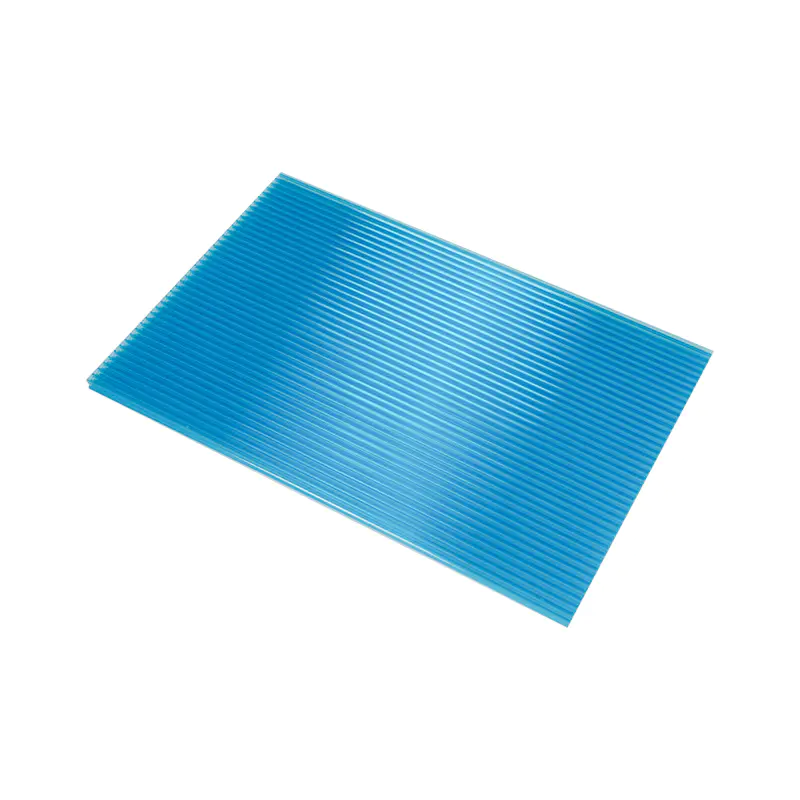
- Green / Blue: Popular in Southeast Asian and tropical markets for carport and walkway roofing where a cooler visual aesthetic is preferred alongside moderate shading.
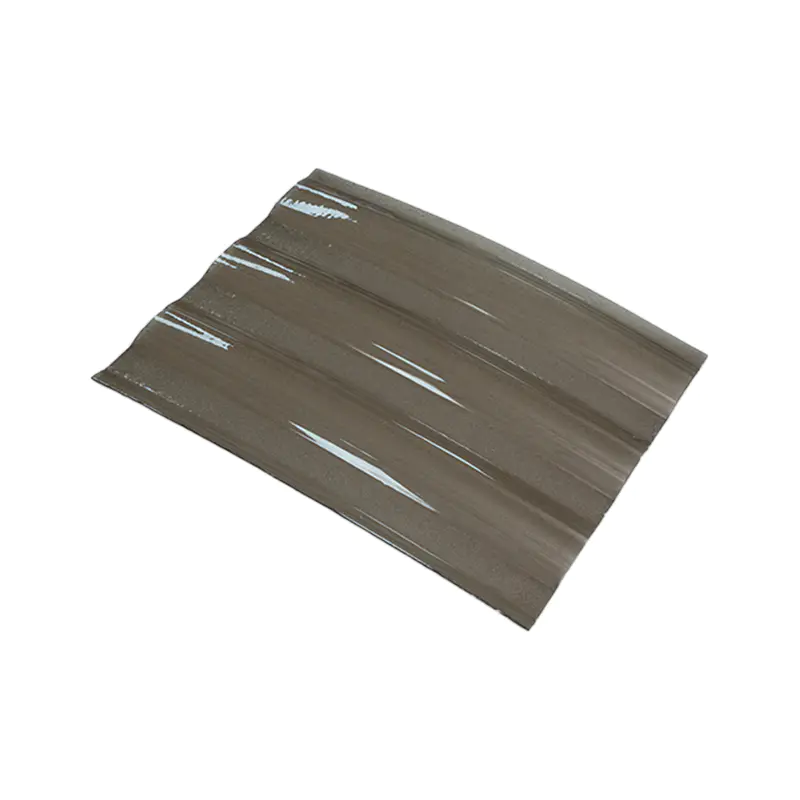
- Embossed surface: A textured surface finish adds grip, diffuses light further, and partially obscures the view through the panel — useful in applications where some privacy is desirable alongside weather protection.
For projects requiring a textured or patterned aesthetic rather than a plain corrugated profile, we also supply polycarbonate embossed and corrugated sheets that combine surface texture with the corrugated wave profile.
How to Evaluate a Corrugated Polycarbonate Sheet Supplier
Sourcing the right supplier matters as much as specifying the right product. Below are the practical questions we recommend asking any supplier before placing a significant order.
- Can you provide material test reports? Request tensile strength, impact resistance, and light transmission data specific to the batch or product line — not just generic data sheet figures.
- Is the UV layer co-extruded or coated? A straightforward question that immediately distinguishes manufacturers prioritising long-term performance from those cutting costs.
- What is the warranty period and what does it cover? A credible manufacturer will offer a minimum 10-year warranty against excessive yellowing and structural degradation. Confirm whether the warranty covers only the material or also consequential losses.
- What certifications does the factory hold? ISO 9001 quality management and ISO 14001 environmental management certification are standard indicators of process consistency and product traceability.
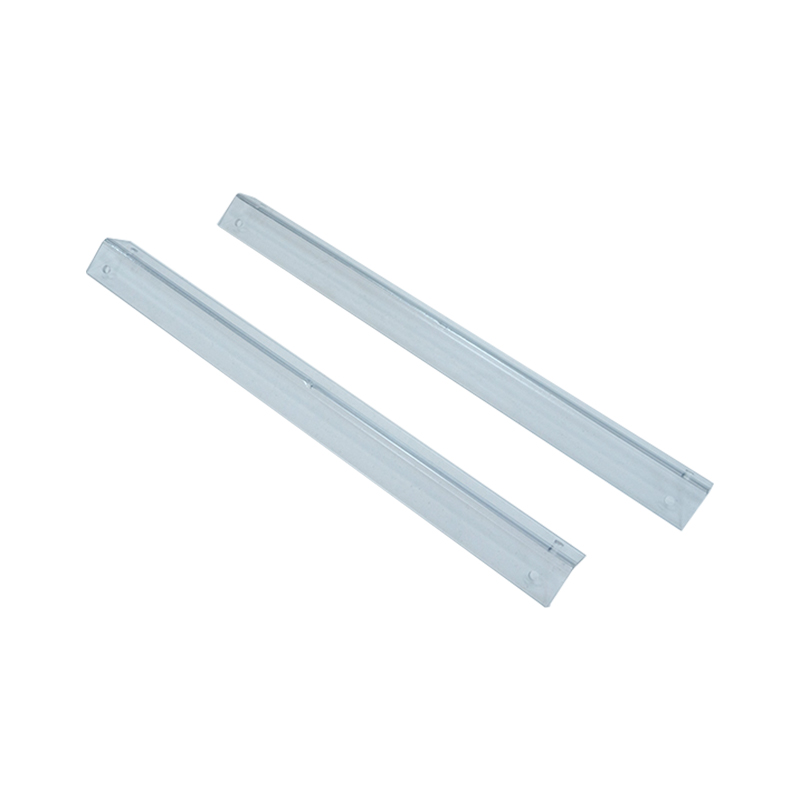
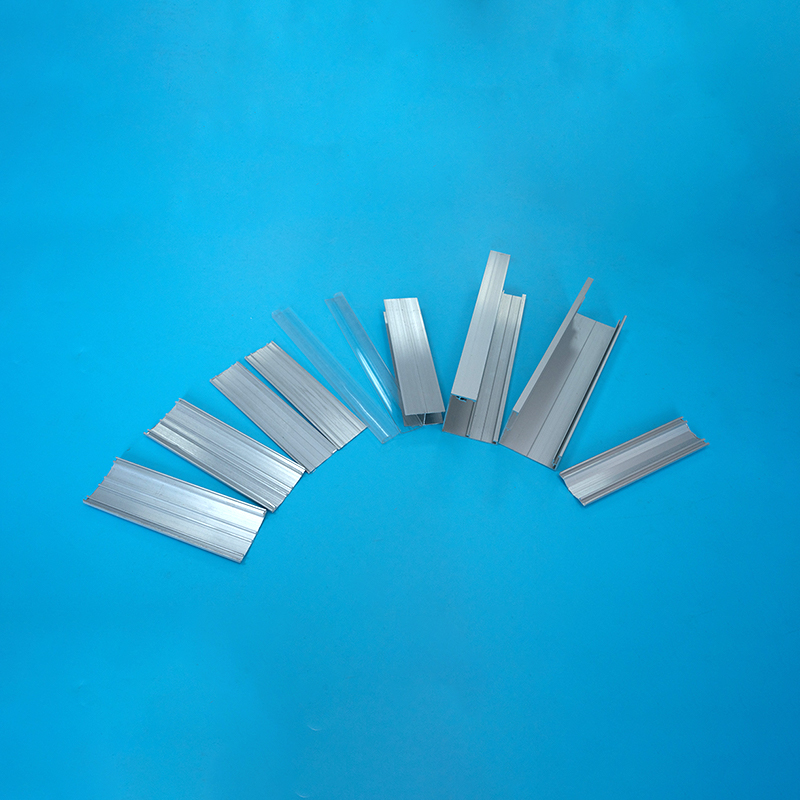
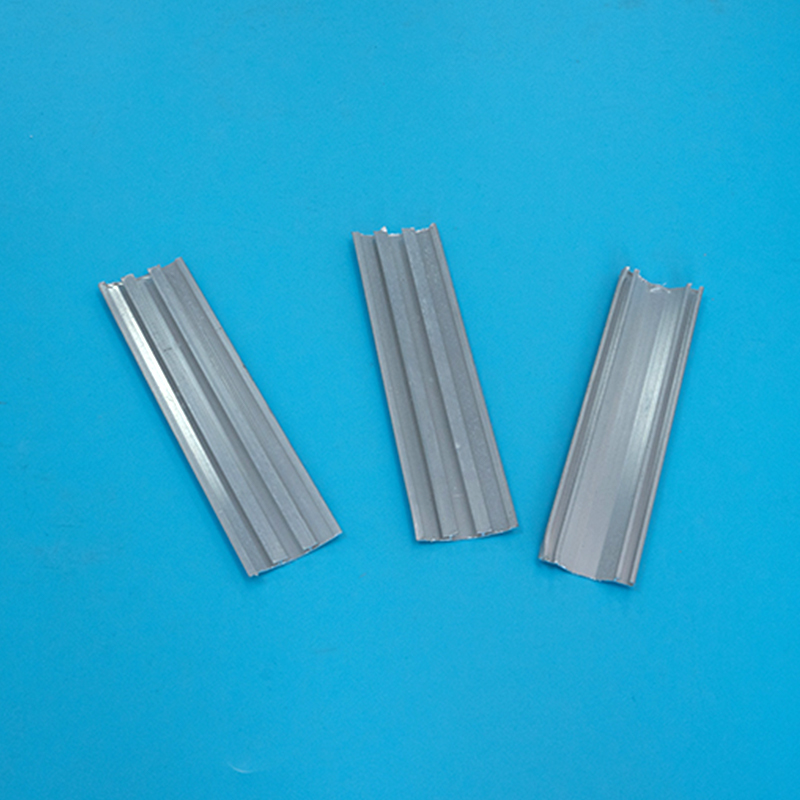
- Can you supply matching accessories? Ridge caps, closure strips, H-profiles, and fixing systems sourced from the same manufacturer ensure compatibility and avoid the leakage issues that arise from mixing incompatible accessories.
As a factory-direct manufacturer and supplier, we offer our full range of corrugated polycarbonate sheets alongside compatible aluminium profiles and accessories, with production lead times for custom orders within 7 days and in-stock standard sizes available for immediate dispatch.
Corrugated Polycarbonate vs. Corrugated Fibreglass: The Case for Switching
Corrugated fibreglass (FRP) roofing panels were the standard translucent roofing product for industrial and agricultural buildings for decades. Many older structures still have them installed. Polycarbonate has largely replaced fibreglass for new installations, and the reasons are worth understanding if you are specifying a replacement roof or a new building.
- Fibreglass degrades visually: Over time, the surface resin erodes and exposes glass fibres, creating a rough surface that collects dirt and reduces light transmission significantly — sometimes to below 40% after 15 years. Polycarbonate retains its surface integrity and light transmission far longer when properly UV-protected.
- Polycarbonate is significantly tougher: Fibreglass is brittle compared to polycarbonate. Impact from hail, falling branches, or maintenance foot traffic is more likely to crack FRP panels.
- Weight advantage: Polycarbonate corrugated sheets typically weigh 1.0–1.5 kg/m² versus 2.0–3.5 kg/m² for equivalent fibreglass. This reduces structural loading and simplifies installation with fewer workers.
- Fire performance: Polycarbonate carries a Class 1 (B1) fire rating in most standard tests, self-extinguishing when the flame source is removed. Many fibreglass formulations burn more readily and produce toxic smoke.