English
 Español


Provide you with the latest enterprise and industry news.
Content
- 1 The Short Answer
- 2 What Each Material Actually Is
- 3 Side-by-Side Comparison
- 4 Impact Resistance: The Biggest Practical Difference
- 5 Optical Clarity: Where Acrylic Has the Edge
- 6 UV Resistance and Outdoor Durability
- 7 Workability: Cutting, Drilling, and Bending
- 8 Scratch Resistance
- 9 Cost Comparison
- 10 Best Use Cases for Each Material
- 11 Common Mistakes to Avoid
- 12 Final Recommendation
The Short Answer
Acrylic sheet is the better choice when optical clarity and appearance matter most; polycarbonate sheet wins when impact resistance and safety are the priority. Both are lightweight, transparent thermoplastics that outperform glass in many applications, but they differ significantly in strength, workability, UV resistance, and price. Choosing the wrong one can mean cracked panels, clouded surfaces, or unnecessary spending.
The sections below break down every meaningful difference so you can match the right material to your actual project.
What Each Material Actually Is
Acrylic Sheet (PMMA)
Acrylic — sold under brand names like Plexiglas and Lucite — is polymethyl methacrylate (PMMA). It is manufactured either by cell casting or continuous extrusion. Cast acrylic sheet offers tighter thickness tolerances and better optical quality, while extruded acrylic is less expensive and easier to thermoform. Acrylic has been widely used since the 1930s and remains one of the most common transparent plastics in the world.
Polycarbonate Sheet (PC)
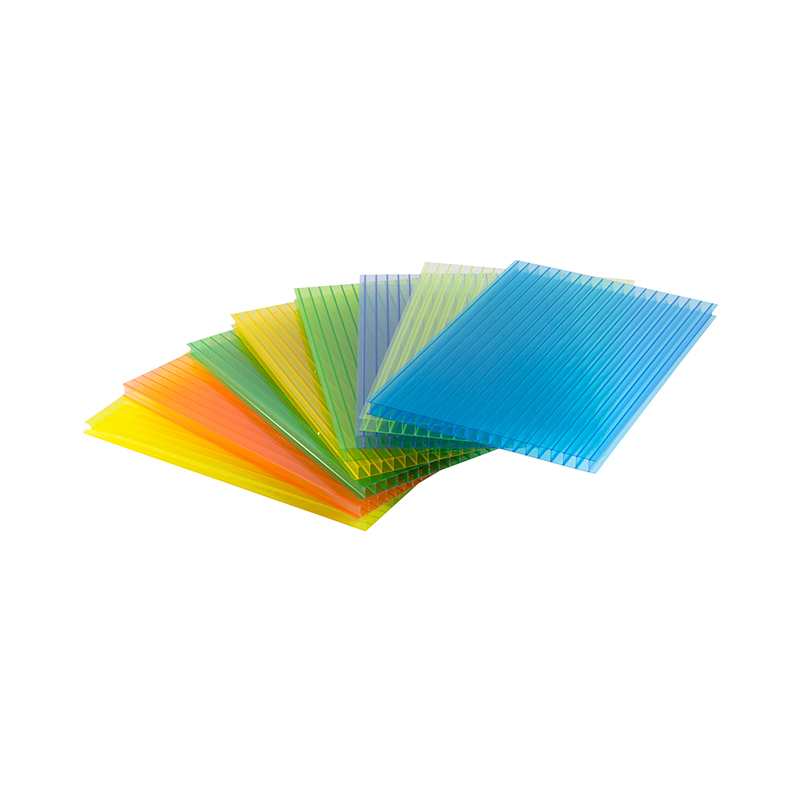
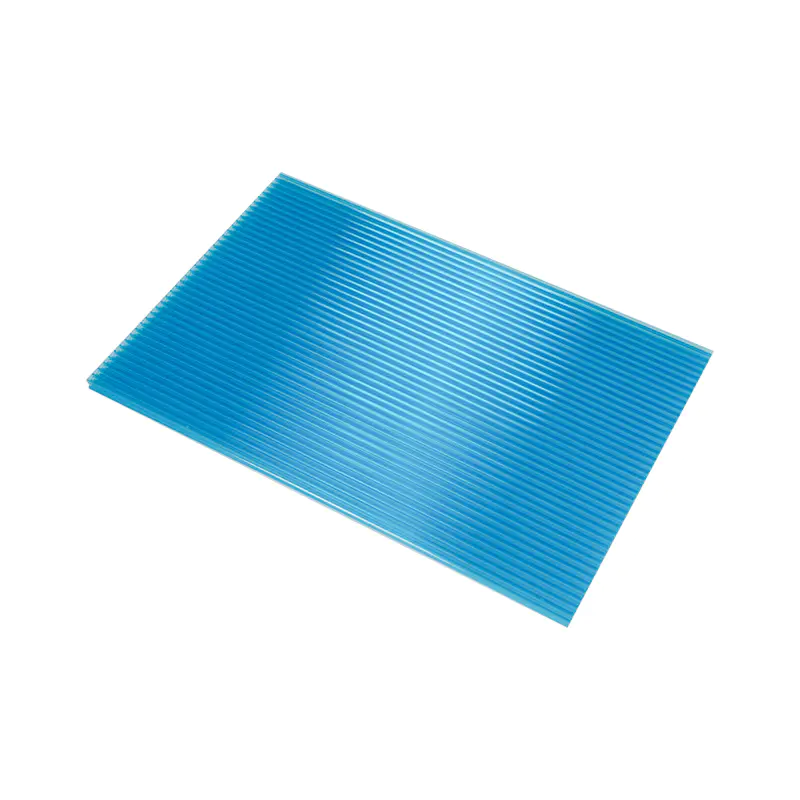
Polycarbonate is a high-performance engineering plastic made from bisphenol A (BPA) carbonate chains. It is most commonly sold as solid flat sheet or as multiwall/twin-wall panels for glazing. Popular brands include Makrolon and Lexan. Polycarbonate became commercially available in the 1950s and is now standard in safety-critical applications where breakage is not an option.
Side-by-Side Comparison
The table below summarizes the key technical differences between standard acrylic sheet and solid polycarbonate sheet at equivalent thicknesses.
| Property | Acrylic Sheet | Polycarbonate Sheet |
|---|---|---|
| Light Transmittance | Up to 92% | 86–88% |
| Impact Resistance | ~4× glass | ~250× glass |
| Tensile Strength | ~70 MPa | ~55–65 MPa |
| Density | 1.18 g/cm³ | 1.20 g/cm³ |
| UV Resistance (bare) | Excellent (natural) | Poor (needs coating) |
| Surface Hardness | Harder, scratch-resistant | Softer, scratches easily |
| Max Continuous Temp | ~80°C (176°F) | ~120°C (248°F) |
| Chemical Resistance | Good (cracks with solvents) | Moderate (yellows with some) |
| Typical Price (per sq ft) | $3–$6 | $5–$10 |
| Flammability | Flammable | Self-extinguishing grades available |
Impact Resistance: The Biggest Practical Difference
Polycarbonate sheet is roughly 60 times more impact-resistant than acrylic sheet of the same thickness. This is the single most important distinction for most buyers. A 6mm polycarbonate panel can withstand repeated hammer blows without shattering; the same thickness of acrylic will crack under far less force.
This is why polycarbonate is mandated for applications like:
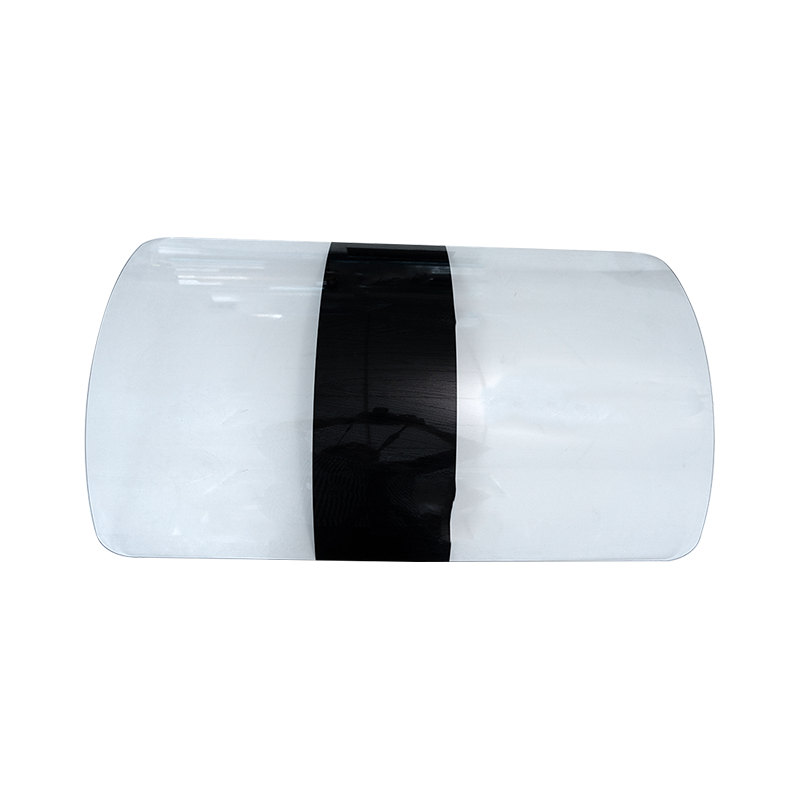
- Riot shields and ballistic glazing
- Machine guards and safety screens in factories
- Hockey rink boards and sports enclosures
- Greenhouse roofing in hail-prone regions
Acrylic does not bend before it breaks — it fractures brittlely, similar to glass. For decorative displays, picture frames, or low-traffic windows where nothing is likely to strike the panel hard, this rarely matters. For anything exposed to impact risk, polycarbonate is the safer choice.
Optical Clarity: Where Acrylic Has the Edge
Acrylic sheet transmits up to 92% of visible light, which is actually higher than standard float glass (around 90%). Polycarbonate tops out around 86–88%. While that 4–6% difference sounds small, it is visible side by side — acrylic looks noticeably clearer and brighter.
Acrylic also has a lower refractive index variation, meaning less distortion across flat sheets. For museum display cases, retail product showcases, aquariums, or optical-grade windows, cast acrylic sheet consistently outperforms polycarbonate on visual quality.
Polycarbonate can develop a subtle yellowish or bluish tint over time if not UV-coated, further reducing its long-term clarity in outdoor installations.
UV Resistance and Outdoor Durability
This is an area where the two materials behave very differently without modification:
- Acrylic is naturally UV-stable. It resists yellowing and degradation from sunlight for 10+ years without any coating. This is one of the main reasons it is used in outdoor signage and architectural glazing.
- Polycarbonate degrades under UV exposure unless it has a co-extruded UV-protective layer on the surface. Uncoated polycarbonate can yellow and become brittle within 1–2 years outdoors. Most commercial polycarbonate sheets sold for outdoor use include this coating, but it is worth confirming before purchase.
For long-term outdoor applications where you want to minimize maintenance, UV-stabilized acrylic sheet is frequently the lower-risk option because its UV protection is inherent to the material rather than dependent on a surface layer that can wear away.
Workability: Cutting, Drilling, and Bending
Cutting
Acrylic can be scored and snapped cleanly for straight cuts, similar to glass cutting technique. It cuts well on a table saw with a fine-tooth blade and produces clean edges. Polycarbonate cannot be scored and snapped — it must be cut with a saw. It also tends to produce stringy chips and requires slower feed rates to avoid melting.
Drilling
Both materials can be drilled, but acrylic cracks more easily if holes are placed too close to edges or if incorrect drill bits are used. Standard twist bits should be reground to a slower helix angle for acrylic. Polycarbonate is more forgiving — standard drill bits work well and the material flexes rather than cracking under stress.
Thermoforming and Bending
Acrylic softens at around 160°C and forms cleanly with consistent results. Polycarbonate requires higher temperatures (around 190°C) but can be cold-bent to mild curves without heating — a useful feature for some construction applications. Extruded acrylic is generally easier to thermoform than cast acrylic.
Bonding and Cementing
Acrylic bonds easily with solvent cement (such as IPS Weld-On), producing invisible, glass-clear joints. Polycarbonate is harder to solvent-bond because it is more chemically resistant, and joints are often not optically clear. For structural bonds on polycarbonate, mechanical fasteners or two-part adhesives are usually preferred.
Scratch Resistance
Acrylic is significantly harder and more scratch-resistant than polycarbonate. On the Rockwell hardness scale, acrylic rates around M97 compared to polycarbonate's M70. In practice, polycarbonate scratches noticeably from everyday cleaning if abrasive cloths or harsh cleaners are used. Acrylic is easier to maintain a clear surface on over time.
Polycarbonate sheet used in high-touch or high-abrasion environments (machine guards, for example) often benefits from an additional hard-coat treatment. Some manufacturers offer hard-coated polycarbonate as a standard product for this reason.
Minor scratches in both materials can be polished out using plastic polishing compounds, but acrylic restores more easily to a like-new finish.
Cost Comparison
Acrylic sheet is consistently less expensive than polycarbonate of equivalent dimensions and thickness. As a rough benchmark for retail quantities:
- Acrylic sheet: approximately $3–$6 per square foot for standard clear sheet
- Polycarbonate sheet: approximately $5–$10 per square foot for standard clear sheet
The price gap widens with specialty grades (UV-coated polycarbonate, anti-glare acrylic, etc.). For large projects — greenhouse construction, commercial signage runs, or architectural cladding — this cost difference can be substantial. If the application does not specifically require polycarbonate's impact strength, acrylic sheet delivers better value.
Best Use Cases for Each Material
Choose Acrylic Sheet When:
- Maximum optical clarity is important (display cases, aquariums, retail fixtures)
- The application is outdoors and long-term UV stability is needed without relying on a coating
- You need clean solvent-bonded joints for a furniture or display project
- Budget is a constraint and impact risk is low
- Signage, picture framing, or decorative panels
- Laser cutting — acrylic cuts and engraves more cleanly than polycarbonate
Choose Polycarbonate Sheet When:
- Impact resistance or safety glazing is required by code or by application
- The panel could be struck by people, tools, balls, or debris
- High operating temperatures are involved (up to ~120°C continuously)
- Flame-retardant or self-extinguishing material grades are required
- Greenhouse roofing, skylights, or carport canopies (using multiwall polycarbonate)
- Machine guards, safety barriers, and protective enclosures
Common Mistakes to Avoid
Understanding both materials also means knowing where buyers commonly go wrong:
- Using uncoated polycarbonate outdoors — it will yellow and craze within a few years. Always confirm UV-protective coating is present.
- Cleaning polycarbonate with abrasive cloths or window cleaner containing ammonia — both will cause crazing and scratching. Use a microfiber cloth and mild soap.
- Applying solvent-based paints or adhesives to acrylic without testing first — many solvents cause stress cracking in acrylic.
- Choosing acrylic for an application where it will be struck or flexed repeatedly — acrylic does not flex; it breaks. This is the most common and costly mistake.
- Not accounting for thermal expansion — both materials expand significantly with temperature changes. Polycarbonate expands about twice as much as acrylic. Leave adequate clearance in fixed frames.
Final Recommendation
For most indoor display and decorative projects, acrylic sheet is the practical default — it looks better, costs less, and is easier to fabricate with a clean finish. For anything where safety, impact resistance, or high temperatures are factors, polycarbonate sheet is the right material and the additional cost is justified.
When in doubt, ask one question: what happens if this panel gets hit hard? If the answer is "nothing good," choose polycarbonate. If breakage is unlikely and appearance matters, choose acrylic.