English
 Español


Provide you with the latest enterprise and industry news.
Content
Understanding Polycarbonate Hollow Sheets
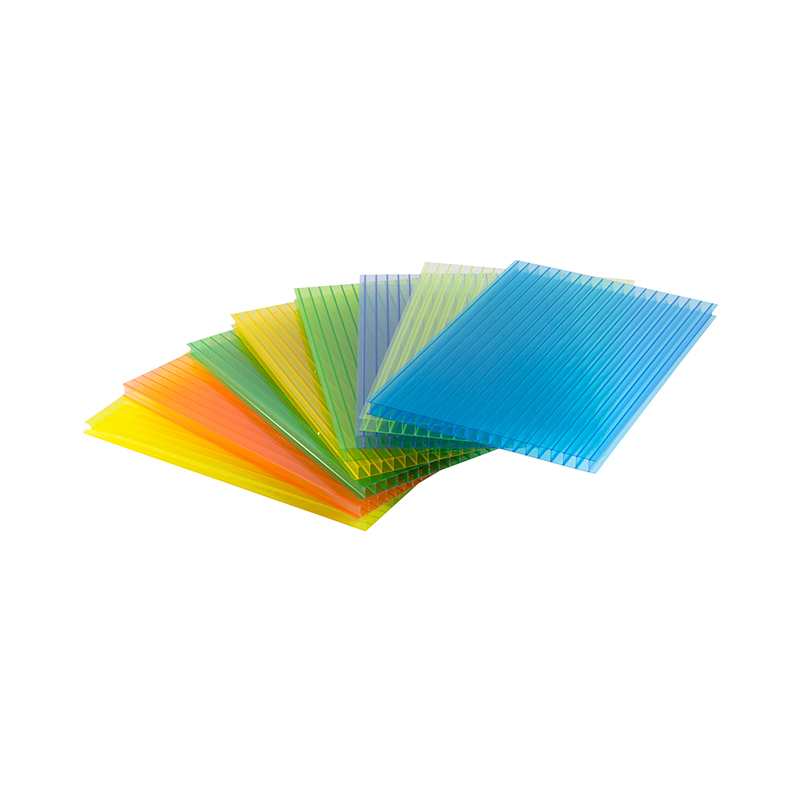
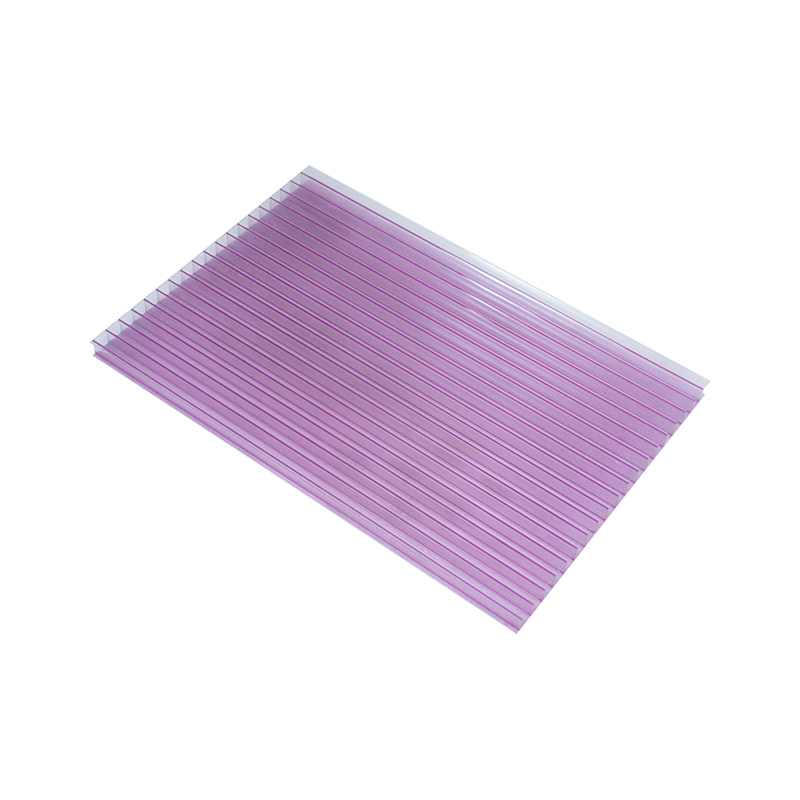
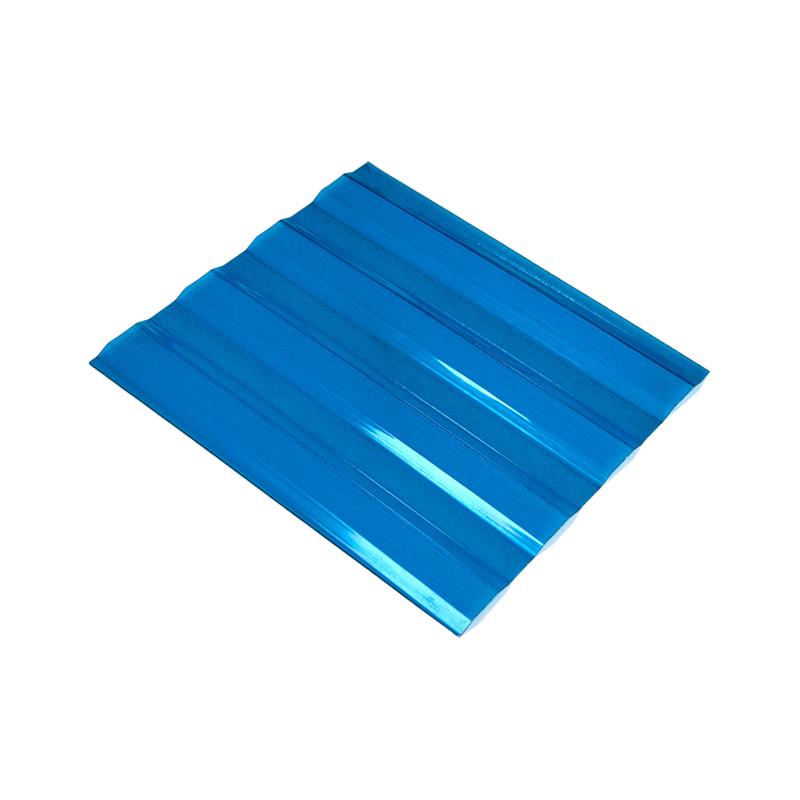
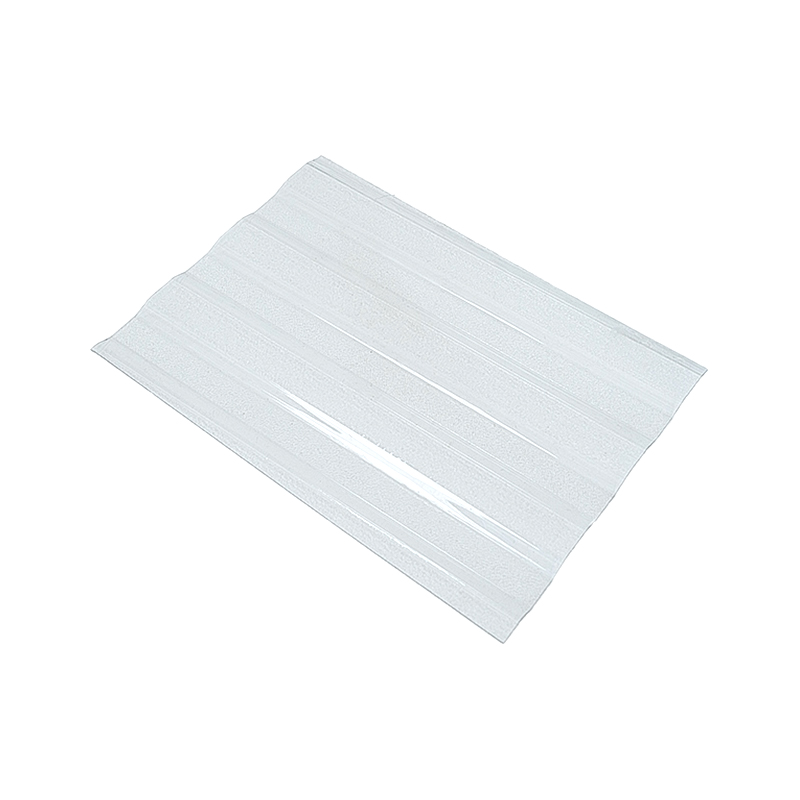
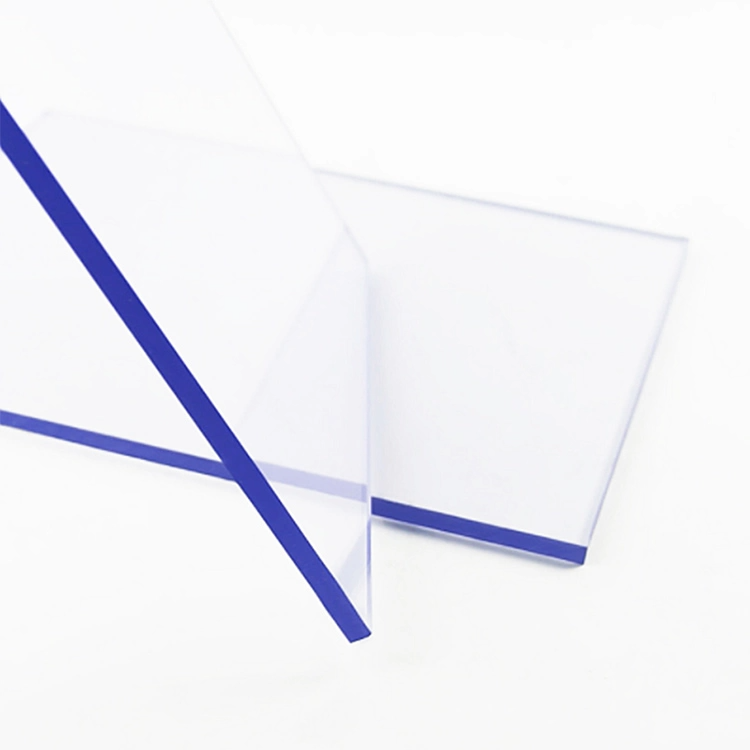
Polycarbonate hollow sheets are lightweight, durable, and versatile panels commonly used in construction, greenhouses, roofing, and DIY projects. Unlike solid polycarbonate, hollow sheets have air pockets between layers, offering better thermal insulation while maintaining strength. They are available in various thicknesses, colors, and UV-resistant coatings to suit indoor and outdoor applications.
Key Advantages of Polycarbonate Hollow Sheets
These sheets provide several benefits that make them a preferred choice for architects, builders, and hobbyists alike. Understanding these advantages can help select the right sheet for a specific project.
Lightweight Yet Strong
Despite being hollow, these sheets are exceptionally strong, resistant to impact, and can withstand harsh weather conditions. This makes them suitable for skylights, canopies, and wall cladding without requiring heavy structural support.
Thermal Insulation
The hollow structure traps air, providing natural thermal insulation. This reduces heat transfer, helping to maintain indoor temperatures and lowering energy costs in greenhouses or sunrooms.
UV Protection
High-quality polycarbonate hollow sheets come with UV-resistant coatings to prevent yellowing, brittleness, and material degradation caused by prolonged sun exposure. This ensures long-term durability and clarity.
Common Applications
Polycarbonate hollow sheets can be adapted for a wide range of applications due to their combination of strength, transparency, and insulation properties.
Greenhouses and Agricultural Use
The thermal insulation and light diffusion of hollow sheets make them ideal for greenhouse roofing. They protect plants from extreme weather while allowing sufficient light penetration for photosynthesis.
Roofing and Canopies
Polycarbonate hollow sheets are widely used for patio covers, carports, and pergolas. Their lightweight nature simplifies installation while maintaining high durability against wind, rain, and hail.
Interior Partitions and Skylights
They are also effective for office partitions, skylights, and atriums. Hollow sheets allow natural light to filter through while preserving privacy and reducing noise transmission.
Installation Guidelines
Proper installation is crucial to maximize the lifespan and performance of polycarbonate hollow sheets. Following these guidelines ensures structural stability and optimal results.
Cutting and Handling
Use fine-toothed saws or utility knives for cutting. Avoid excessive force to prevent cracking. Always wear protective gloves and glasses during handling to prevent injury.
Support and Fixing
Ensure adequate support along the panel’s edges and every 50–60 cm along its length. Use specialized polycarbonate screws and washers to prevent water leakage and allow for thermal expansion.
Sealing and Finishing
Seal the sheet ends with UV-resistant tapes or caps to prevent dust and moisture from entering the hollow channels. Proper sealing improves thermal efficiency and prolongs the sheet’s lifespan.
Maintenance and Cleaning Tips
Regular maintenance ensures that polycarbonate hollow sheets remain clear, strong, and effective for years.
Routine Cleaning
Clean sheets with mild soap and water using a soft cloth or sponge. Avoid abrasive cleaners or brushes that may scratch the surface. Rinse thoroughly to prevent residue buildup.
Inspecting for Damage
Check periodically for cracks, loose fasteners, or discoloration. Early detection prevents water leakage, heat loss, and structural issues.
Seasonal Care
In regions with heavy snow or strong winds, remove accumulated snow and debris carefully to avoid overloading the sheets. Seasonal inspections extend their longevity.
Comparison of Polycarbonate Hollow Sheet Types
Different hollow sheet configurations suit different applications. The following table summarizes key attributes.
| Type | Thickness | Light Transmission | Applications |
| Twin Wall | 4-10mm | 70-80% | Greenhouses, skylights, interior partitions |
| Triple Wall | 6-16mm | 60-70% | Roofing, cold storage, high-insulation needs |
| Multiwall | 16-40mm | 50-65% | Industrial roofing, facades, insulated structures |
Conclusion
Polycarbonate hollow sheets are practical, cost-effective, and versatile solutions for a wide range of construction and DIY projects. Their combination of lightweight design, thermal insulation, UV protection, and structural strength makes them a reliable choice. Proper installation, periodic maintenance, and selection of the right type ensure long-lasting performance and efficiency.