English
 Español


Provide you with the latest enterprise and industry news.
Content
- 1 Understanding Acrylic Sheet Grades and Their Practical Uses
- 2 Choosing the Right Thickness for Structural and Visual Performance
- 3 Comparing Acrylic Sheet to Alternative Transparent Materials
- 4 Fabrication Methods That Preserve Sheet Integrity
- 5 Installation Considerations for Long-Term Stability
- 6 Cleaning and Maintenance Without Surface Damage
- 7 Common Application Mistakes and How to Avoid Them
- 8 When Acrylic Sheet Is the Right Practical Choice
Understanding Acrylic Sheet Grades and Their Practical Uses
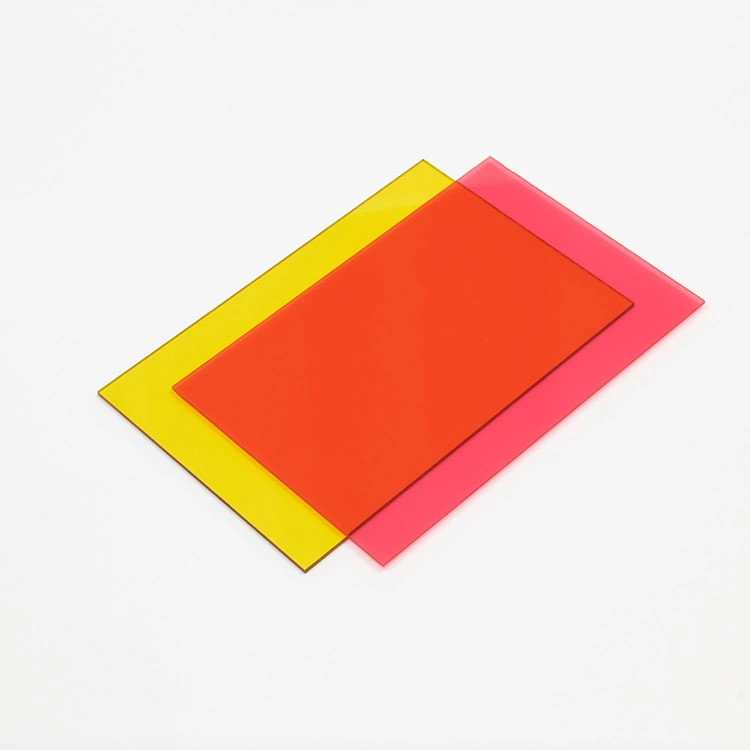
Acrylic sheet is commonly supplied in cast and extruded grades, each serving different practical needs. Cast acrylic is produced in molds, resulting in higher molecular weight, better optical clarity, and superior resistance to chemicals and heat during fabrication. It is often selected for signage, display cases, and architectural features where machining quality and finish matter. Extruded acrylic is manufactured through a continuous process, offering tighter thickness tolerances and lower cost, which makes it suitable for glazing, protective covers, and high-volume projects where precision thickness is critical.
Choosing the Right Thickness for Structural and Visual Performance
Thickness selection directly affects strength, deflection, and long-term performance. Thin acrylic sheets between 2–3 mm work well for picture frames and lightweight covers, but they can flex under load. Medium thicknesses of 4–6 mm are commonly used for signs, shelves, and partitions, offering a balance between rigidity and weight. Thicker sheets above 8 mm are preferred for aquariums, furniture components, and load-bearing panels. Evaluating span length, mounting method, and expected impact helps avoid cracking or bowing after installation.
Comparing Acrylic Sheet to Alternative Transparent Materials
In practical applications, acrylic sheet is often compared with glass and polycarbonate. Acrylic is lighter than glass, easier to machine, and offers excellent optical clarity, while being more scratch-resistant than polycarbonate. However, it is more brittle under impact than polycarbonate and less heat-resistant than tempered glass. Understanding these trade-offs ensures material selection aligns with safety, durability, and maintenance expectations.
| Property | Acrylic Sheet | Glass | Polycarbonate |
| Weight | Light | Heavy | Light |
| Impact Resistance | Moderate | Low | Very High |
Fabrication Methods That Preserve Sheet Integrity
Acrylic sheet can be cut, drilled, bent, and bonded with standard workshop tools, but technique matters. Saw blades should have fine, evenly spaced teeth to prevent chipping. Drilling requires slow speeds and light pressure to avoid stress cracking. For bending, controlled heating using strip heaters ensures smooth curves without bubbles. Solvent cement bonding produces clear joints, but surfaces must be clean and properly aligned to avoid visible marks.
Key Fabrication Tips
- Leave protective film on during machining to reduce surface scratches.
- Allow expansion gaps when installing large panels.
- Flame polishing only after proper sanding to avoid micro-cracks.
Installation Considerations for Long-Term Stability
Acrylic sheet expands and contracts with temperature changes more than glass. Rigid mounting without clearance can lead to warping or cracking over time. Using oversized holes with rubber grommets allows movement while maintaining secure attachment. In outdoor applications, UV-resistant grades and proper sealing reduce yellowing and moisture intrusion, extending service life without excessive maintenance.
Cleaning and Maintenance Without Surface Damage
Routine maintenance preserves transparency and appearance. Acrylic sheet should be cleaned with mild soap and water using a soft cloth. Abrasive cleaners, ammonia-based solutions, and paper towels can cause fine scratches that dull the surface. For minor scratches, plastic polish or buffing compounds restore clarity, reducing the need for replacement in high-visibility installations.
Common Application Mistakes and How to Avoid Them
Many performance issues arise from mismatched material choice and application. Selecting sheets that are too thin for the span, ignoring thermal expansion, or using incorrect adhesives often leads to premature failure. Planning around load requirements, environmental exposure, and fabrication limits ensures acrylic sheet delivers reliable performance in signage, interiors, and protective glazing projects.
When Acrylic Sheet Is the Right Practical Choice
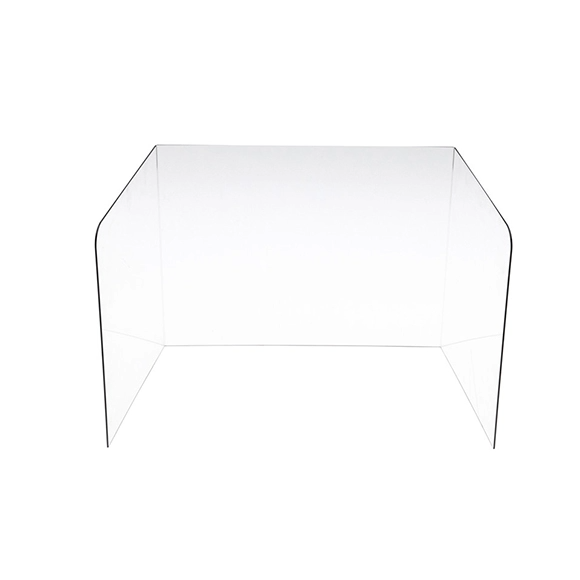
Acrylic sheet is particularly suitable when optical clarity, lightweight construction, and ease of fabrication are priorities. From retail displays to machine guards, its balance of performance and workability makes it a dependable option when installed and maintained with care. Thoughtful selection and handling turn acrylic sheet from a basic plastic panel into a long-lasting functional material.