English
 Español


Provide you with the latest enterprise and industry news.
Content
- 1 Understanding Acrylic Sheet and Its Benefits
- 2 Common Applications of Acrylic Sheets
- 3 Selecting the Right Acrylic Sheet for Your Project
- 4 Cutting and Fabricating Acrylic Sheets
- 5 Joining and Bonding Acrylic Sheets
- 6 Maintaining and Cleaning Acrylic Sheets
- 7 Acrylic Sheet Price and Cost Considerations
- 8 Conclusion
Understanding Acrylic Sheet and Its Benefits
Acrylic sheet, commonly known as Plexiglass or PMMA, is a versatile thermoplastic material that offers a combination of strength, clarity, and lightweight properties. Unlike glass, acrylic sheets are shatter-resistant, making them ideal for both industrial and residential applications. They can be used in windows, signage, protective barriers, and DIY projects due to their flexibility and ease of fabrication. The material is also UV-resistant, ensuring that it maintains transparency over long periods without yellowing or degrading.
The benefits of acrylic sheets include high impact resistance, ease of cutting and shaping, lightweight structure, and excellent optical clarity. These properties make acrylic sheets popular in industries such as construction, advertising, interior design, and automotive applications. Additionally, acrylic sheets are recyclable, which makes them an environmentally friendly alternative to traditional materials like glass or polycarbonate in many cases.
Common Applications of Acrylic Sheets
Acrylic sheets are widely used in various fields due to their durability, transparency, and adaptability. Here are some common applications:
- Signage and advertising displays, including illuminated signs and point-of-sale displays.
- Protective barriers in offices, retail stores, and medical facilities.
- Windows, skylights, and greenhouses where lightweight, clear panels are required.
- Furniture design, including shelves, tabletops, and decorative partitions.
- Aquariums and terrariums due to the material's water resistance and clarity.
- Automotive applications such as windshields, interior panels, and light covers.
Selecting the Right Acrylic Sheet for Your Project
Choosing the appropriate acrylic sheet depends on the specific needs of your project. Acrylic sheets come in various thicknesses, colors, and finishes. Understanding these options ensures durability and aesthetic appeal:
Thickness and Size Considerations
Acrylic sheets are available in thicknesses ranging from 1 mm to over 25 mm. Thinner sheets are suitable for lightweight projects such as picture frames or display cases, while thicker sheets provide structural support for partitions, windows, and aquariums. Standard sizes typically include 4’x8’ and 5’x10’ panels, but custom sizes can be ordered depending on project requirements.
Color and Finish Options
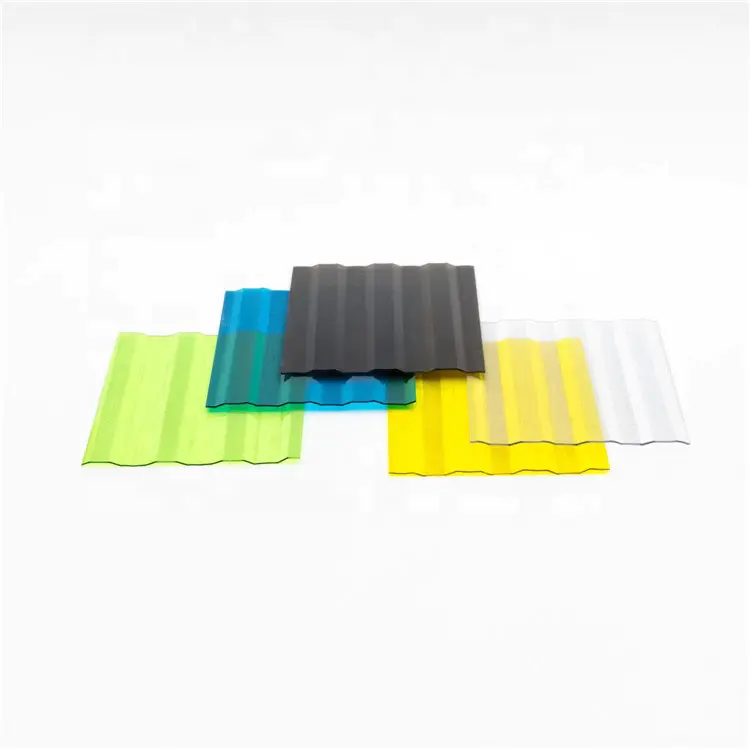
Acrylic sheets are available in clear, frosted, tinted, and mirrored finishes. Clear acrylic is ideal when transparency and visibility are priorities, while frosted or tinted acrylic can provide privacy or aesthetic appeal. Mirrored acrylic serves as a lightweight alternative to traditional mirrors for interior design or decorative applications.
Cutting and Fabricating Acrylic Sheets
Acrylic sheets can be easily cut, drilled, and shaped using both manual and power tools. However, proper techniques are essential to avoid cracking, chipping, or melting the material. Here are recommended cutting methods:
Scoring and Snap Method
For thin acrylic sheets (up to 5 mm), scoring with a utility knife and snapping along the scored line is an effective technique. The steps include:
- Place the acrylic sheet on a flat surface and mark the cutting line.
- Score the line multiple times using a sharp utility knife until a deep groove forms.
- Align the scored line with the edge of a table and apply downward pressure to snap the sheet cleanly.
Using Power Tools
For thicker sheets, circular saws, jigsaws, and laser cutters provide precise and smooth cuts. Tips for power tool cutting include:
- Use blades specifically designed for plastic or acrylic to minimize chipping.
- Cut slowly and steadily to prevent heat buildup, which can melt the acrylic.
- Secure the sheet firmly to avoid vibrations and uneven cuts.
Drilling and Shaping
Acrylic sheets can be drilled using high-speed steel (HSS) or carbide-tipped drill bits. To prevent cracking, follow these guidelines:
- Use a backing board to support the sheet while drilling.
- Drill at a slow speed with steady pressure.
- Deburr edges after drilling to maintain smooth finishes.
Joining and Bonding Acrylic Sheets
Acrylic sheets can be joined using adhesives, solvent welding, or mechanical fasteners. Each method has specific applications:
Solvent Welding
Solvent welding involves using a chemical solvent that temporarily softens the acrylic surfaces, allowing them to fuse together. Once the solvent evaporates, a strong, transparent bond is formed. Common solvents include MMA (methyl methacrylate) and dichloromethane-based solutions. This method is ideal for clear and seamless joins in display cases, aquariums, and signage.
Adhesive Bonding
Acrylic-specific adhesives, such as two-part epoxies or UV-curable glues, provide strong joints with good durability. These adhesives are preferred when joining acrylic to other materials like metal, wood, or glass.
Mechanical Fasteners
Screws, bolts, and brackets can be used for structural applications where removable assembly is required. When using mechanical fasteners, always drill slightly oversized holes or use washers to distribute stress and prevent cracking.
Maintaining and Cleaning Acrylic Sheets
Proper maintenance ensures acrylic sheets retain their clarity and longevity. Avoid harsh chemicals, abrasive cleaners, or rough cloths that can scratch or cloud the surface. Recommended cleaning methods include:
- Use mild soap or detergent mixed with water.
- Wipe with a soft microfiber cloth in circular motions.
- For stubborn marks, apply a plastic polish or acrylic cleaner following the manufacturer’s instructions.
In addition to cleaning, regular inspection for scratches, cracks, or discoloration can prevent minor damage from becoming structural issues. Protective films can also be applied during installation to safeguard against UV exposure and scratches.
Acrylic Sheet Price and Cost Considerations
The cost of acrylic sheets depends on thickness, color, size, and quality. Here’s a simple cost comparison:
| Type | Thickness | Price Range (per sq. ft.) |
| Clear Acrylic | 3 mm | $2 - $4 |
| Frosted Acrylic | 5 mm | $4 - $6 |
| Colored Acrylic | 8 mm | $6 - $10 |
When budgeting, include costs for tools, adhesives, and finishing materials, as these contribute to the total project expense. Buying in bulk can also reduce cost per sheet.
Conclusion
Acrylic sheets are a versatile, durable, and visually appealing material suitable for a wide range of applications. By understanding the properties, selecting the right type, and using proper cutting, bonding, and maintenance techniques, you can achieve professional results in both DIY and commercial projects. Whether it’s for signage, furniture, protective barriers, or creative projects, acrylic sheets offer a lightweight, clear, and durable solution that outperforms glass in many practical scenarios.