English
 Español


Provide you with the latest enterprise and industry news.
Content
Glass breaks under hail. Glass requires thick framing. Glass costs a fortune to replace. That's why commercial growers, architects, and contractors across the globe have shifted to multi-layer polycarbonate hollow sheets engineered for roofing, glazing, and cladding — panels that absorb impact, trap heat, and outlast most alternatives by years.
This guide cuts straight to what actually matters when selecting a hollow PC sheet: structure, thickness, thermal performance, and which variant suits your project.
What Makes Hollow Sheets Different from Solid PC
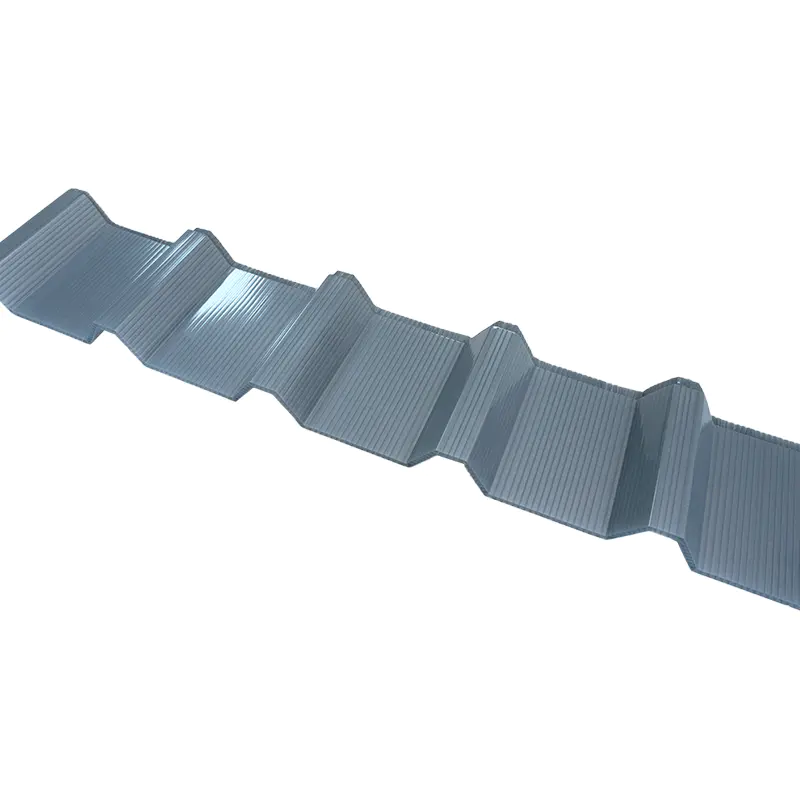
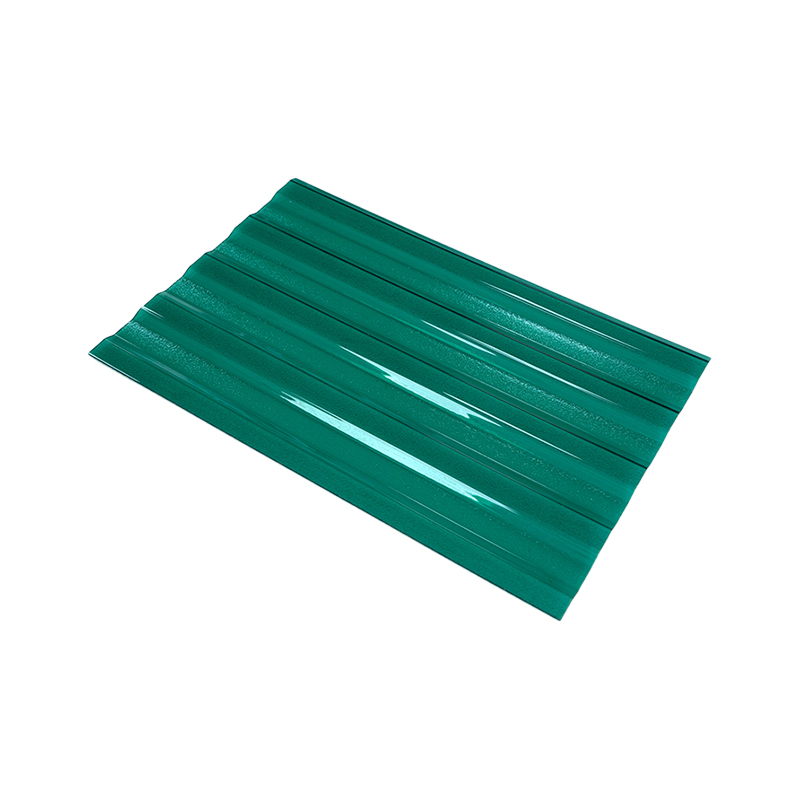
Polycarbonate hollow sheets — also called twin-wall, multi-wall, or structured sheets — have parallel walls connected by internal ribs or chambers. That air-trapped structure does two things solid sheets cannot: it significantly lowers the U-value (heat loss rate) and reduces panel weight by up to 60% compared to glass of equivalent insulation performance.
The tradeoff is light transmission. Hollow sheets typically pass 70–88% of visible light depending on thickness and wall count, versus 88–92% for clear solid sheets. For most greenhouse and skylight applications, that difference barely matters — plants thrive under 70% diffused light, and the thermal benefit more than compensates.
The Four Main Types and When to Use Each
2-Layer Twinwall — The Everyday Workhorse
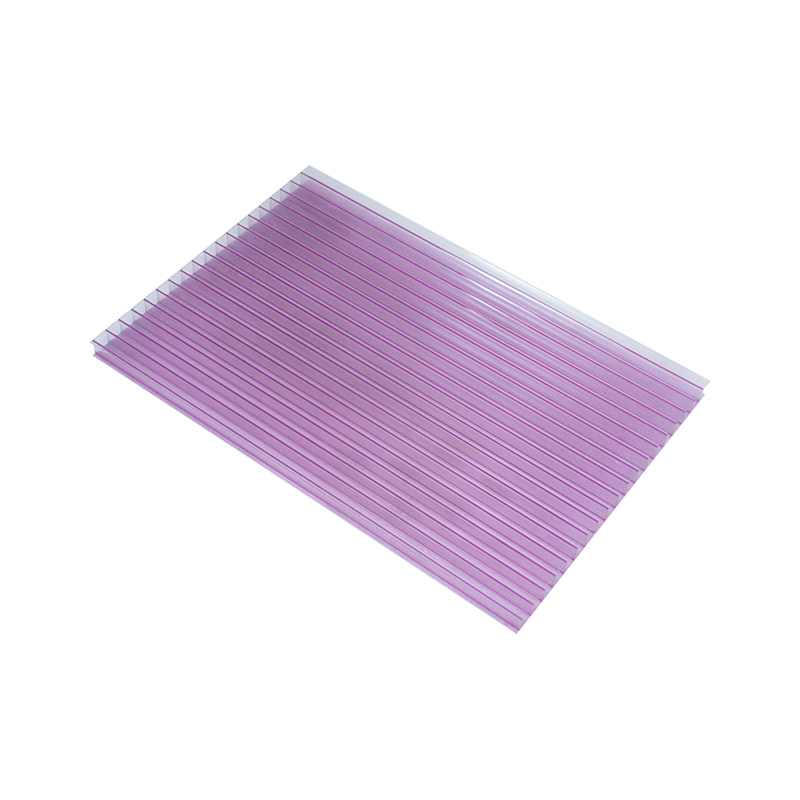
Available in 4 mm to 10 mm thickness, twinwall is the most widely used hollow sheet format. The standard size runs 1220 × 2440 mm, with custom lengths up to 6000 mm available. At 4 mm, it weighs roughly 0.8 kg/m² and offers a U-value around 3.3 W/m²K — adequate for temperate climates. The 2-layer twinwall sheet made from Makrolon/Lexan-grade polycarbonate resin adds UV-blocking co-extrusion on the outer face, extending service life well beyond a decade with no yellowing.
Best for: small-to-medium greenhouses, residential skylights, lean-to roof covers, and commercial signage.
4-Layer Sheet — Better Insulation, Larger Span
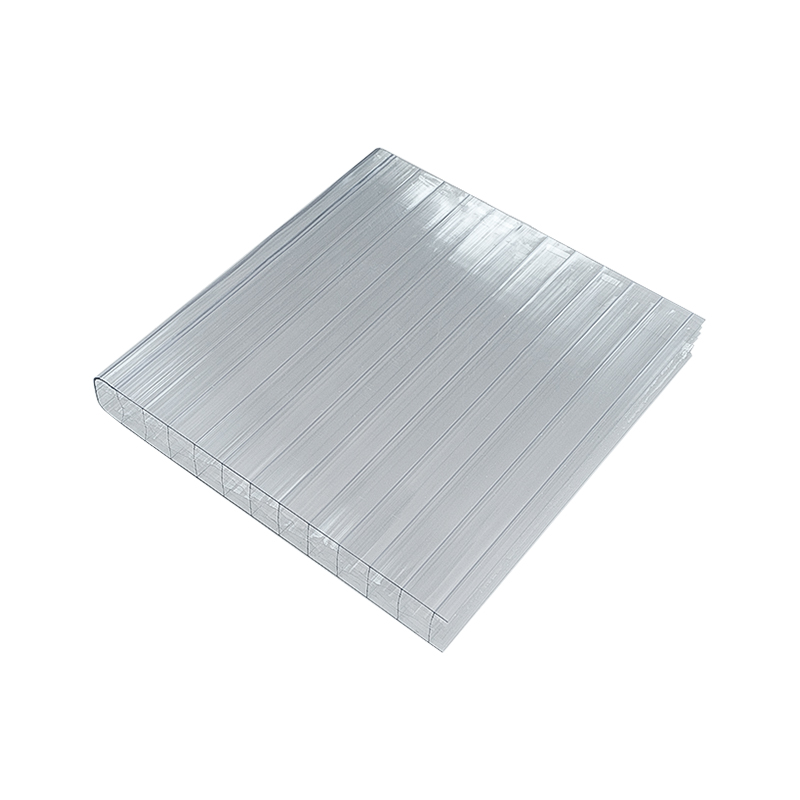
Adding a mid-rib pair roughly doubles the insulation of twinwall. A 10 mm 4-layer panel achieves a U-value near 2.1 W/m²K, making it suitable for cold climates where heating bills are a real concern. Its increased stiffness also allows wider purlin spacing — designers can stretch center-to-center distances further than twinwall permits, reducing framing cost. See the 4-layer polycarbonate hollow sheet roofing panels for available thicknesses from 10 mm to 16 mm.
Best for: large commercial greenhouses in cold regions, warehouse skylights, transit shelters.
Cellular / Multi-Wall — Maximum Thermal Performance
Cellular sheets pack in X-structure, honeycomb, or 5-wall cross-section designs, reaching U-values below 1.5 W/m²K in 25 mm+ thicknesses. A 25 mm multi-wall panel can save 30–40% on heating energy versus a twinwall equivalent in a well-insulated greenhouse. The cellular polycarbonate multi-wall roofing sheet also handles significantly higher snow and wind loads due to its dense internal geometry.
Best for: year-round commercial growing operations in harsh climates, cold-climate roof glazing, high-specification architectural facades.
Fire-Rated Twinwall (B2 Grade)
Standard PC is self-extinguishing, but certain public and industrial applications require certified B2 fire ratings. Fire-rated hollow sheets meet EN 13501 classification requirements without sacrificing optical performance. Specify these for covered walkways attached to public buildings, school atriums, and any project subject to building code review.
Key Specs to Confirm Before Ordering
| Thickness | Wall Count | U-Value (W/m²K) | Light Transmission | Typical Use |
|---|---|---|---|---|
| 4–6 mm | 2-layer | 3.3–3.7 | 80–88% | Residential greenhouse, skylight |
| 8–10 mm | 2 or 4-layer | 2.5–3.1 | 75–82% | Commercial roofing, carport |
| 16–20 mm | 4 or 5-wall | 1.7–2.1 | 70–78% | Cold-climate greenhouse, facade |
| 25–32 mm | Cellular/X-wall | 1.0–1.5 | 60–72% | High-insulation commercial |
Beyond thickness and U-value, ask specifically about: UV protection type (co-extruded layer vs. surface coating — co-extruded is more durable), operating temperature range (standard PC handles −40°C to 120°C), and available standard sheet lengths. For large orders, custom sheet sizes up to 2100 × 6000 mm eliminate field cutting waste.
Hollow Sheet vs. Solid Sheet — Which Do You Actually Need?
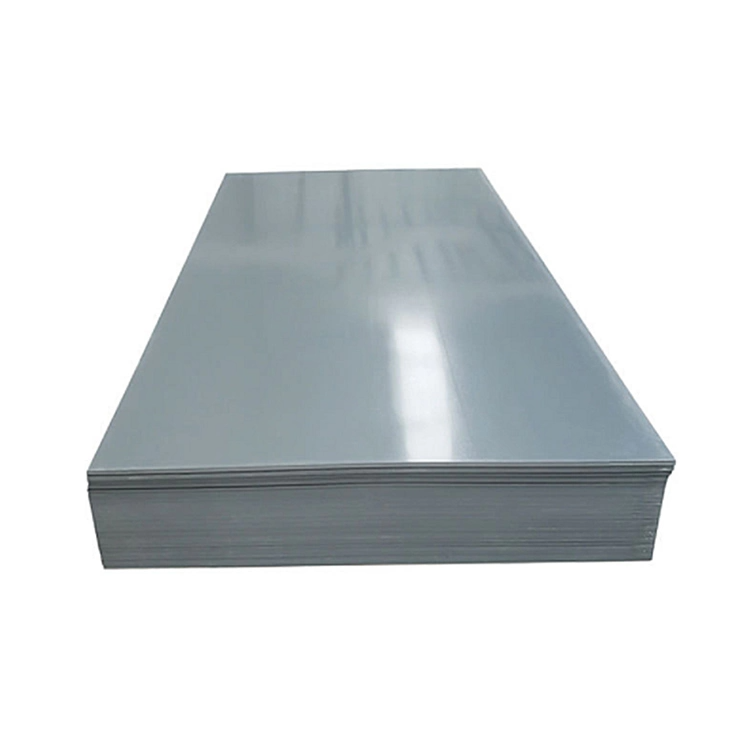
The comparison comes down to what you're optimizing for. Polycarbonate solid sheets deliver higher impact resistance per millimeter and optical clarity closer to glass — the right choice for security glazing, machine guards, and riot shields. Hollow sheets win on thermal insulation, weight, and cost per square meter of coverage. For roofing and enclosures where temperature control matters, hollow is almost always the better choice.
Installation Essentials Most Guides Skip
Three points that actually affect long-term performance:
- Orient channels vertically on sloped surfaces. Horizontal channels trap condensation and debris, promoting algae and reducing panel clarity within a couple of seasons.
- Seal channel ends, not the channels themselves. Both ends of a hollow panel need breathable tape (top) and closed tape (bottom) to allow moisture vapor to escape while keeping insects out.
- Allow for thermal expansion. Polycarbonate expands roughly 2.5 mm per meter at a 40°C temperature swing. Pre-drill holes 2–3 mm larger than the fastener and use neoprene-backed washers — overtightening is the single most common cause of cracking during installation.
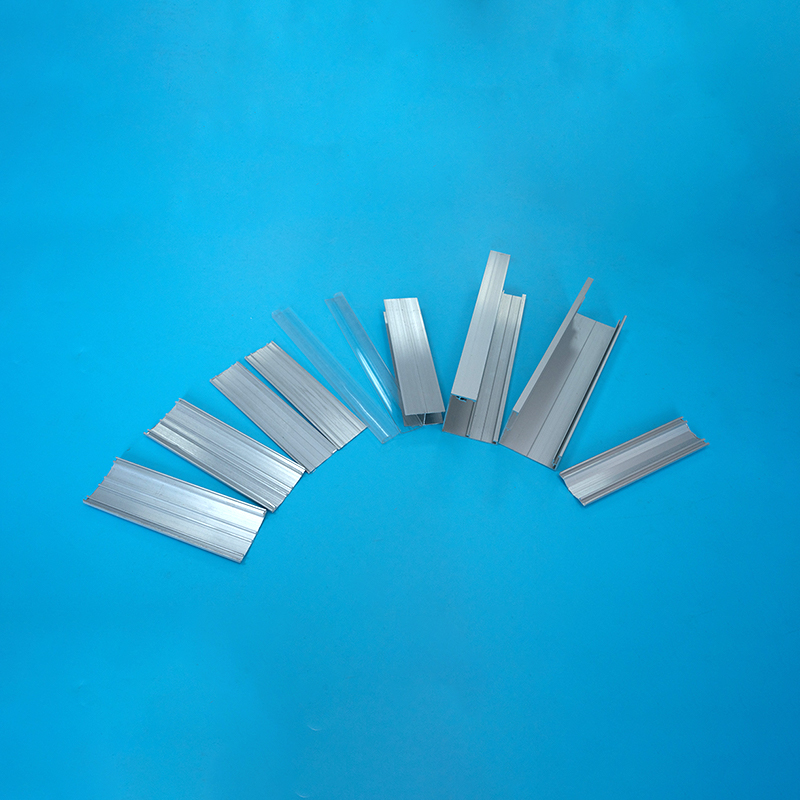
Profile accessories — aluminum H-profiles for panel-to-panel joints, U-profiles for edge sealing — are available alongside the sheets and make a significant difference in finished appearance and air-tightness.
Choosing a Supplier: What to Check
Request the full technical datasheet, not just a product listing. It should specify resin grade (virgin vs. recycled content), UV coating method, and certified light transmission figures. For export orders, confirm certifications: ISO 9001 covers quality management; French EPR certification is required for EU market entry. Minimum order quantities for hollow sheets typically start at 100 m², with standard lead times of 5–7 days after deposit for stock thicknesses.