English
 Español


Provide you with the latest enterprise and industry news.
Content
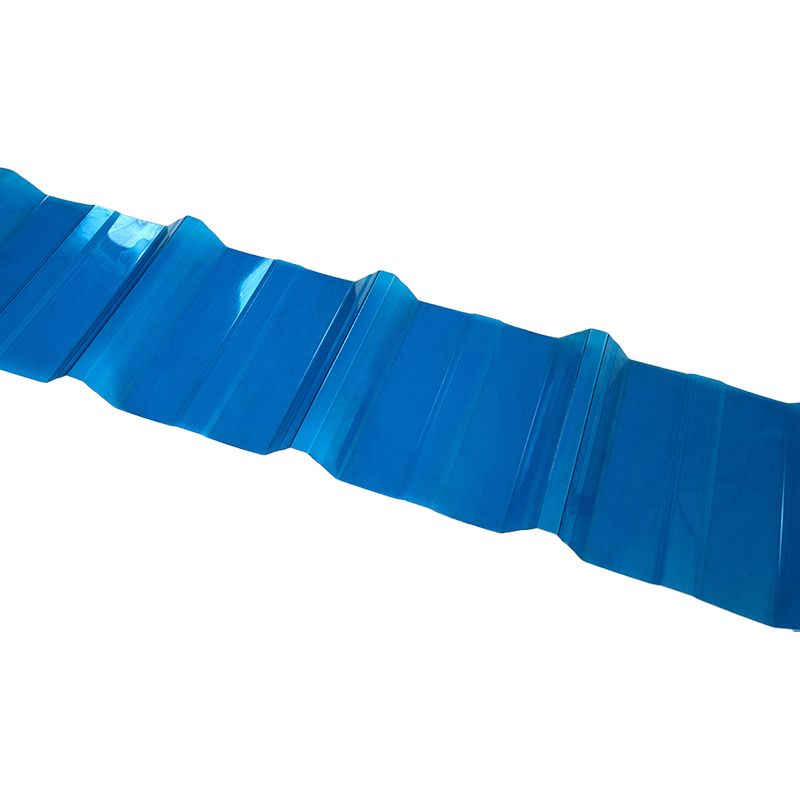
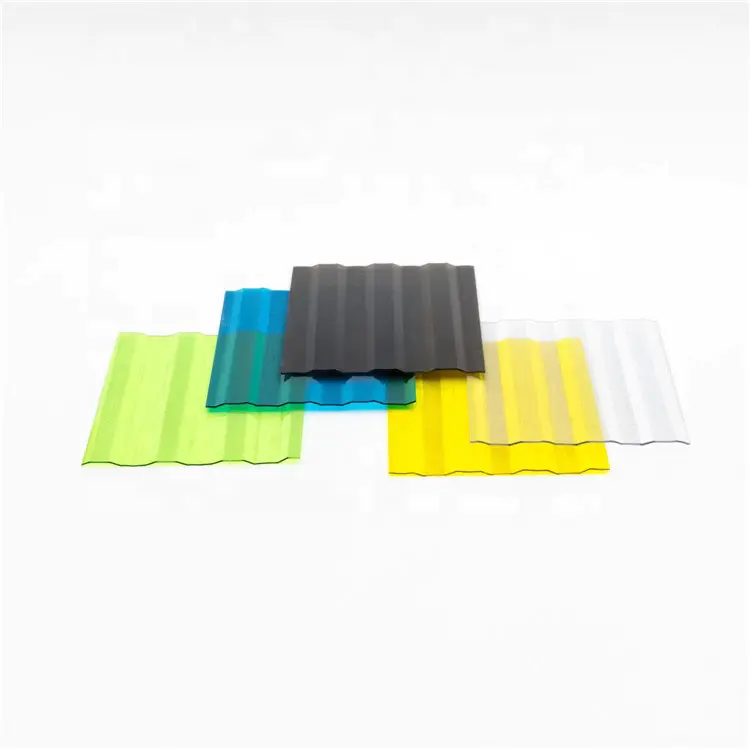
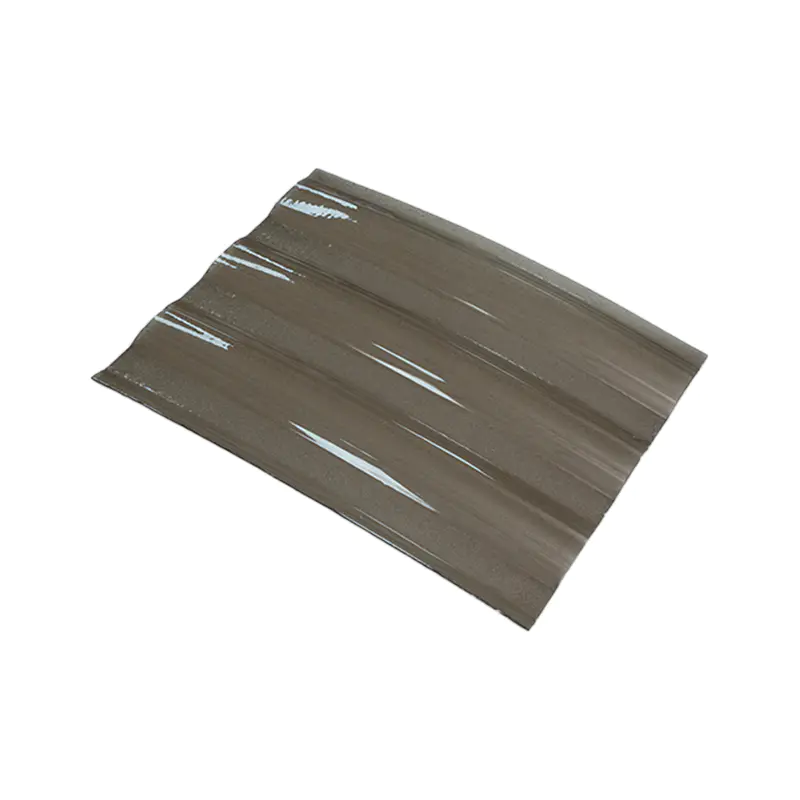
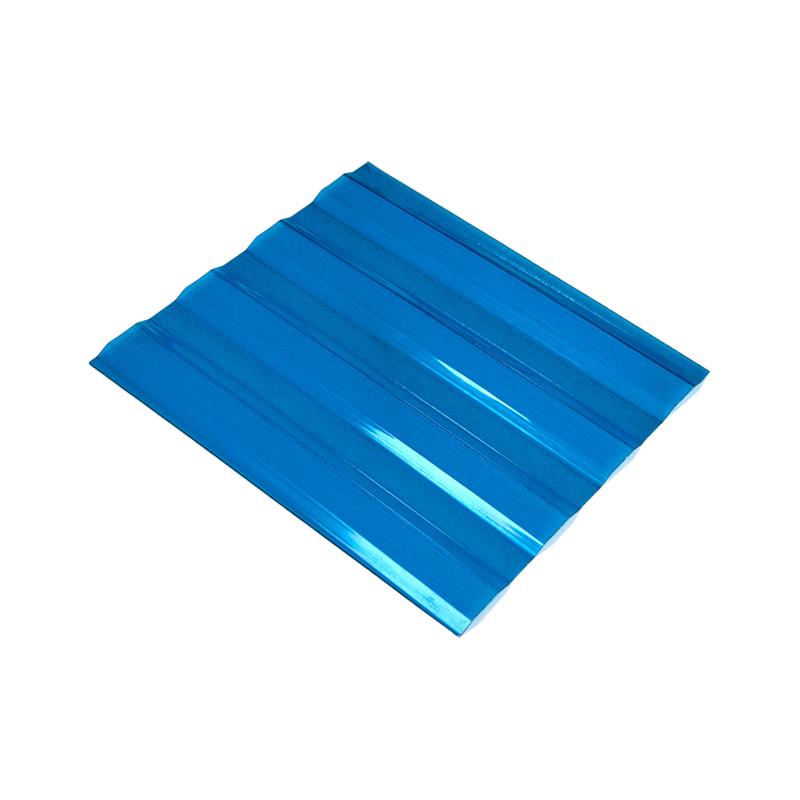
Most roofing projects fail not because of bad labor, but because the wrong panel was chosen at the hardware store. corrugated polycarbonate sheets have become the go-to solution for patios, greenhouses, carports, and agricultural sheds — but only when you know what to look for. This guide cuts straight to what matters.
Why Corrugated Polycarbonate Outperforms the Alternatives
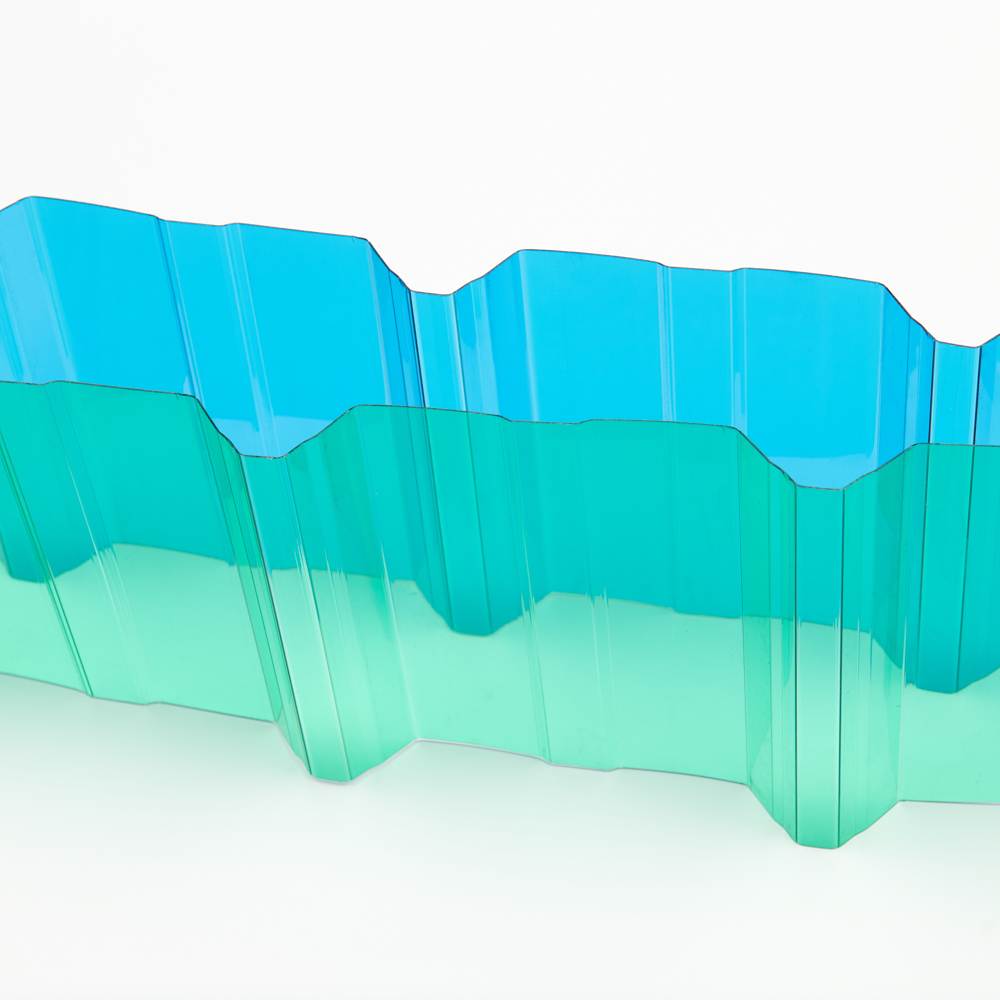
Glass breaks. Metal corrodes and traps heat. Fiberglass yellows within a few years. Corrugated polycarbonate handles all three of those weaknesses at once. The wave profile isn't just aesthetic — it distributes load across the sheet, giving a 0.8–2mm panel the rigidity to shed snow, resist wind uplift, and handle hail impacts that would shatter glass.
Light transmission is where polycarbonate truly separates itself. Clear grades transmit up to 90% of visible light while blocking the UV wavelengths that cause plant stress and interior fading. That combination makes it the default choice for greenhouse roofing, where growers need maximum photosynthetically active radiation without the UV damage.
Weight matters too. A polycarbonate panel weighs roughly one-sixth of an equivalent glass panel. That means lighter substructures, lower freight costs, and panels you can actually reposition on your own.
The One Spec Most Buyers Ignore: UV Coating
A sheet without proper UV protection will yellow and become brittle within 3–5 years of outdoor exposure. The UV coating on quality corrugated polycarbonate sheets is co-extruded directly into the surface layer — it cannot peel off the way a spray-on coating can. This co-extruded layer blocks more than 99% of UV radiation and is what separates a panel with a 10-year warranty from one that fails in year three.
Always check which side carries the UV protection. Most single-sided sheets are clearly marked. Install that side facing the sun. Installing it upside-down is the single most common installation mistake, and it voids the warranty on most products.
For harsh climates or projects where longevity is critical, dual-sided UV protection is available and worth the premium. If you're comparing two sheets at similar price points, UV coating quality is the tiebreaker.
Choosing the Right Thickness
Corrugated polycarbonate profiles typically range from 0.6mm to 2.0mm. The corrugation itself provides rigidity, so a 1.0mm corrugated sheet performs structurally closer to a 4mm flat sheet. That said, thickness still matters for specific applications:
- 0.8mm: Light-duty residential use — small garden sheds, temporary covers, low-wind zones.
- 1.0–1.2mm: The most common choice for patios, pergolas, and carports in moderate climates.
- 2.0mm: Heavy-duty applications — stadiums, industrial sheds, high-snowfall regions. Offers the best impact resistance and longest service life.
According to independent testing under ASTM D5628 impact resistance standards, the tensile strength difference between 2mm and 10mm solid polycarbonate is less than 2% — confirming that for corrugated profiles, the wave geometry does the heavy lifting, not raw thickness. Choose 2mm when span lengths exceed 1.5 meters or when the structure is exposed to frequent wind loading.
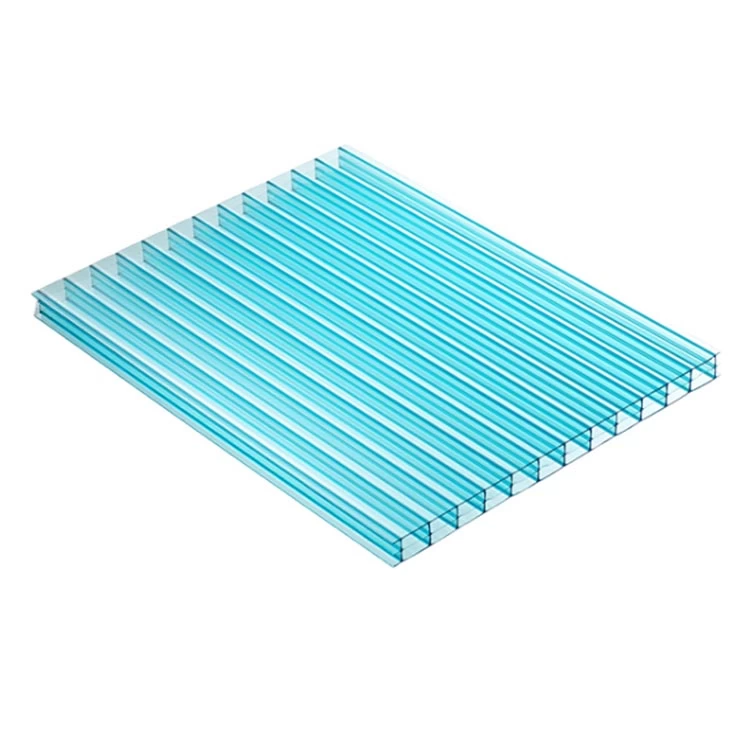
If your project needs better insulation alongside natural light, consider pairing corrugated roofing panels with multiwall polycarbonate hollow sheets for walls or vertical glazing — the two systems complement each other well.
Installation: Four Steps That Prevent 80% of Problems
Most corrugated polycarbonate failures trace back to four installation errors. Avoid these and the panels will outlast your expectations:
- Orient UV side outward. Check the protective film or marking before you cut a single panel. This is non-negotiable.
- Overlap by at least one full corrugation wave. A minimum 50mm overlap at side joints ensures water cannot wick upward under wind-driven rain. On low-pitch roofs (under 10°), increase this to two corrugations.
- Use pre-drilled, oversized holes. Polycarbonate expands roughly 2.5mm per meter with temperature swings. Drill holes 3–4mm larger than the fastener diameter and use neoprene washers. Tight-fitting screws crack the sheet as it moves.
- Use matching closure strips at the ridge and eaves. Foam or rubber closures that match your corrugation profile keep out insects, debris, and wind-driven moisture while still allowing ventilation. Skipping them is the leading cause of pest infiltration in greenhouses.
For projects involving decorative or privacy applications, embossed corrugated polycarbonate sheets offer the same structural benefits with diffused light transmission — useful for covered walkways and side panels where you want brightness without direct visibility.
Cleaning and Long-Term Maintenance
Polycarbonate is easy to maintain but easy to damage if you use the wrong products. Clean with warm water and a mild dish soap using a soft cloth or sponge. Avoid abrasive pads, acetone, benzene, or petroleum-based solvents — these attack the surface and degrade the UV coating. A clean panel also transmits noticeably more light; even a thin film of dust reduces transmission by several percentage points.
Inspect fasteners annually. As the panels expand and contract through seasonal temperature cycles, screws can work loose or cut into the sheet if the installation holes were sized too tight. Catching this early prevents panel cracking and water infiltration. Complete aluminum profile accessories and sealing systems make ongoing maintenance easier by keeping edge joints clean and protected.
With a quality UV-coated sheet installed correctly, you can expect 10–15 years of service before any meaningful degradation in clarity or strength. That lifespan, combined with the material's light weight and ease of cutting, is why corrugated polycarbonate sheets have replaced glass, fiberglass, and PVC in most modern roofing and cladding applications.