English
 Español


Provide you with the latest enterprise and industry news.
Content
A single hailstorm wiped out a 500m² glass greenhouse in Ohio last spring. The replacement cost? Over $40,000. The neighbor running the same crop under polycarbonate hollow sheets? Zero damage. That contrast sums up why more builders, growers, and architects are switching — and why choosing the right hollow sheet spec matters more than ever.
What Makes Polycarbonate Hollow Sheet Different
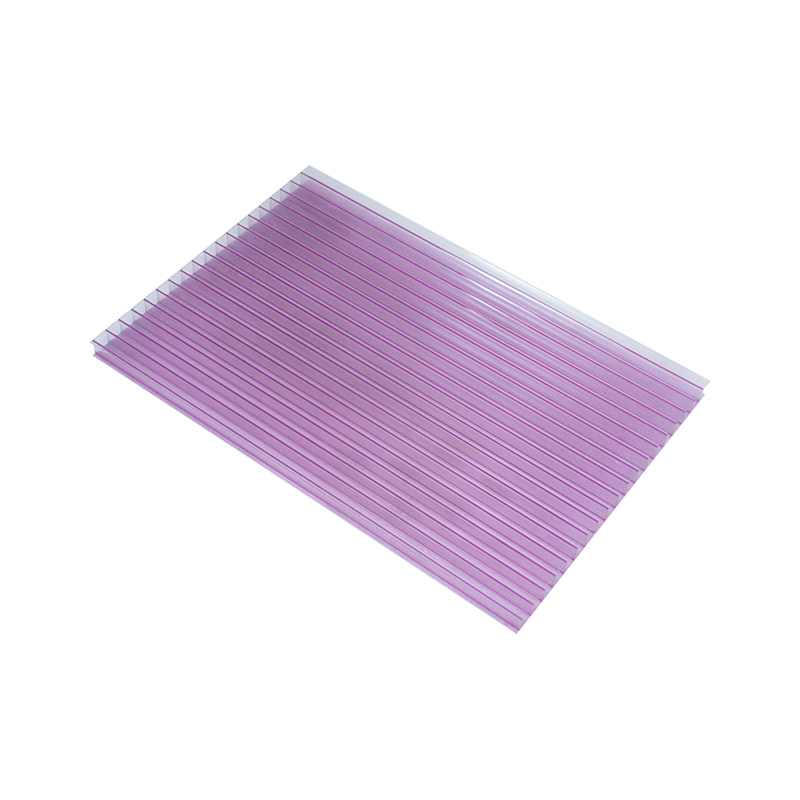
Polycarbonate hollow sheet — also called twinwall, multiwall, or PC sunshine board — is not a single-layer plastic panel. It consists of two or more parallel polycarbonate surfaces connected by internal ribs, creating enclosed air chambers running along the sheet's length. Those chambers are the key: they trap air, reduce heat transfer, and distribute impact force across a wider surface area instead of concentrating it at one point.
The structural logic is elegant. The hollow rib geometry improves load-bearing capacity without adding weight, allowing wider purlin spacing during installation and giving architects more design flexibility. At roughly half the weight of glass, panels are far easier to transport, handle on a rooftop, or reconfigure later.
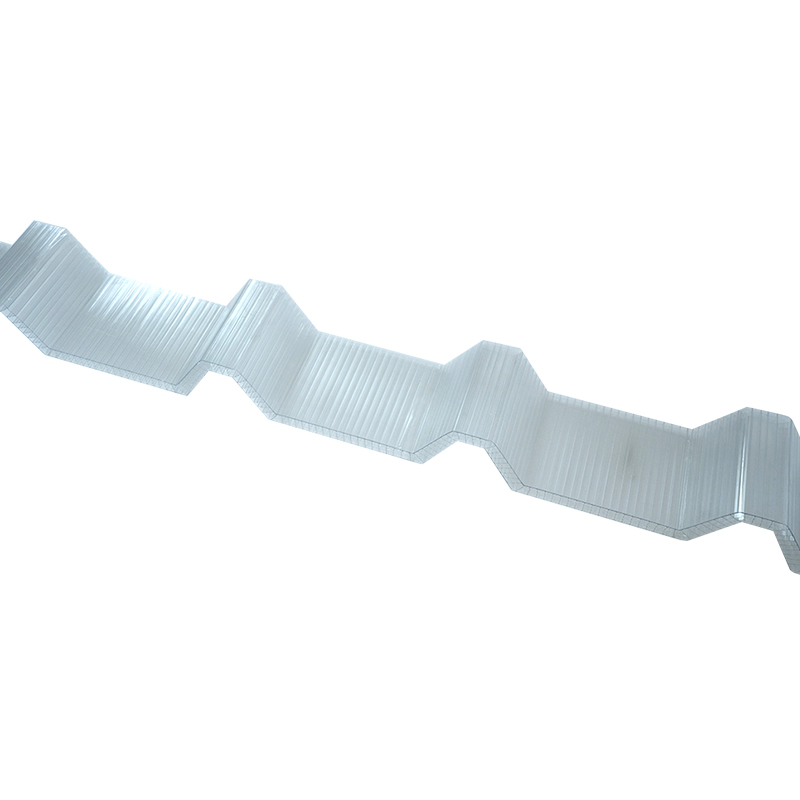
Standard hollow sheet products cover a broad range of configurations — from basic 2-layer twinwall panels for cost-effective glazing to cellular multiwall sheets engineered for maximum thermal insulation, and even specialized honeycomb-structure boards for load-intensive applications.
Core Specs You Need to Know Before Buying
There are five numbers that determine whether a hollow sheet will actually perform for your application. Skipping any of them leads to either overspending or premature failure.
| Wall Structure | Thickness Range | Typical U-Value | Light Transmission | Best For |
|---|---|---|---|---|
| 2-Layer Twinwall | 4mm – 10mm | ~3.5 W/m²K | 75% – 82% | Carports, patios, basic greenhouses |
| 3-Layer (Triple Wall) | 10mm – 16mm | ~2.0 W/m²K | 65% – 72% | Commercial greenhouses, skylights |
| 4-Layer / X-Structure | 16mm – 25mm | ~1.5 W/m²K | 55% – 65% | Cold climates, energy-efficient roofing |
| Cellular / Honeycomb | 25mm – 50mm | Down to 0.17 W/m²K | 40% – 55% | Architectural façades, industrial walls |
Thickness above 8mm is recommended for any unheated greenhouse exposed to cold nights — thinner panels struggle to retain enough heat once temperatures drop. For building façades and high-load roofing, the 4-layer or cellular variants deliver significantly better thermal resistance, with U-values approaching those of double-pane insulated glass units.
UV protection is non-negotiable for outdoor use. Quality panels carry a co-extruded UV-blocking layer on the exposed face, which prevents yellowing and surface degradation. Panels without this coating will begin to discolor within two to three years under direct sun — a quick way to lose both light transmission and structural integrity. Properly specified UV-stabilized hollow sheets typically last 10–15 years under normal outdoor conditions.
Where Hollow Sheet Outperforms Glass and Solid Panels
Glass has optical clarity. It also weighs roughly twice as much, shatters under impact, and transfers heat freely — a liability in any climate-controlled space. Polycarbonate hollow sheet delivers up to 60% better thermal insulation than glass, which directly reduces heating and cooling loads year-round. For a greenhouse operator, that translates into lower energy bills every single month across a 10–15 year panel lifespan.
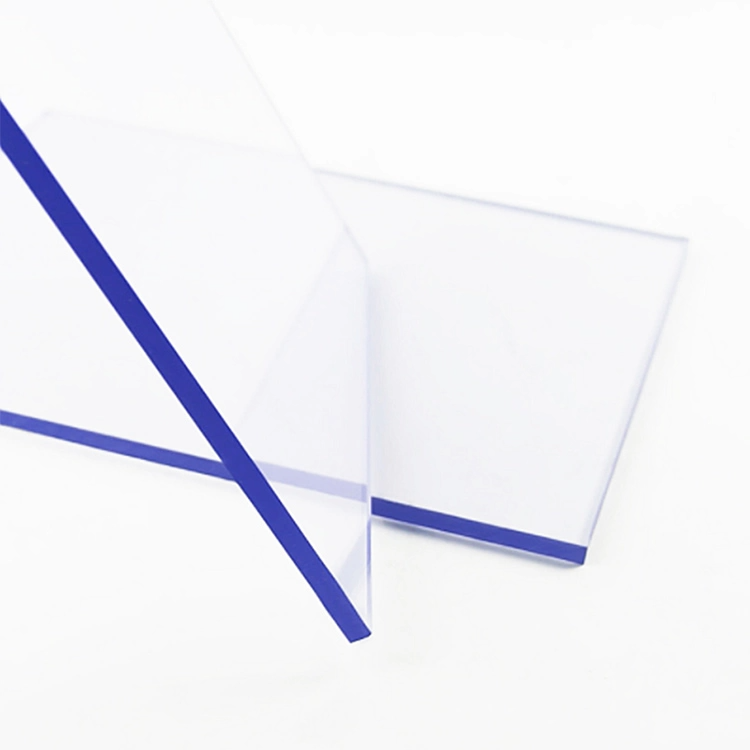
Against solid polycarbonate sheet, the hollow variant trades some optical clarity for substantially better insulation and lighter weight. Solid sheet excels where you need maximum impact resistance and high transparency in a single layer — barriers, machine guards, and riot shields. Polycarbonate solid sheet applications and hollow sheet applications rarely overlap; each solves a different problem.
For roofing, glazing, and building envelope work, hollow sheet's combination of light diffusion, thermal performance, and impact resilience is difficult to match. The multiwall structure also diffuses direct sunlight rather than passing it straight through — which reduces hot spots in greenhouses and creates more even growing conditions across the entire floor area.
Matching Sheet Type to Application
The right product depends on three variables: the climate zone, the structural load, and the light requirement. Here is a practical breakdown.
- Residential carports and pergolas: 6mm or 8mm twinwall in clear or bronze tint. Light weight keeps frame costs low; tinted variants reduce glare without blocking too much light.
- Hobby and commercial greenhouses: 8mm to 16mm triple-wall or 4-layer panels. The added insulation maintains stable night temperatures without relying entirely on supplemental heating. A 100% virgin material greenhouse-grade panel ensures consistent light transmission and avoids the performance drop associated with recycled resin.
- Skylights and canopies in commercial buildings: 16mm to 25mm multiwall, often with fire-rated B2 certification required by code. B2-rated fire twinwall panels meet most European and international building fire standards for public spaces.
- Cold-storage and industrial façades: Cellular or 5-wall hollow sheet, 25mm and above, where U-values below 1.0 W/m²K are required.
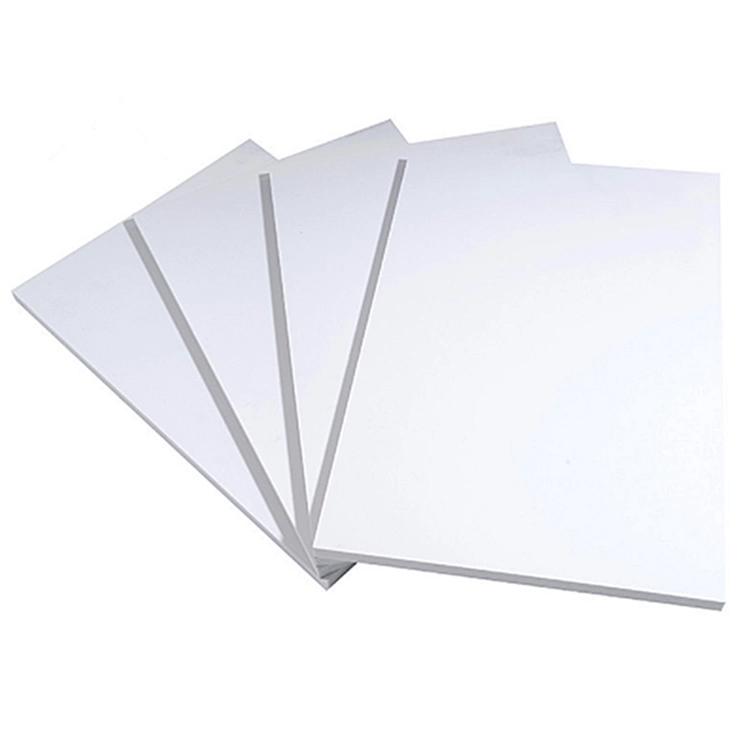
- Partitions and storage enclosures: Partition-grade hollow sheet provides the structural rigidity needed for internal dividers without the cost of solid panels.
Installation: Three Points Most Buyers Miss
First, always leave expansion gaps. Polycarbonate expands approximately 2.5mm per meter for every 30°C temperature swing. A 6-meter panel installed in summer without clearance will buckle or crack its frame by winter. The standard allowance is 3–5mm per meter of sheet length at each fixing point.
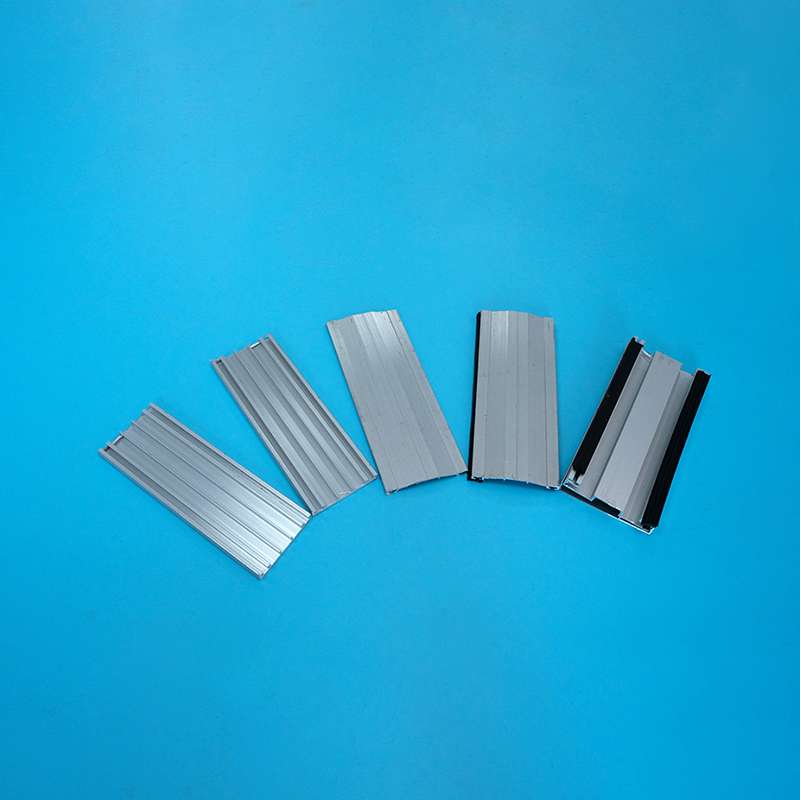
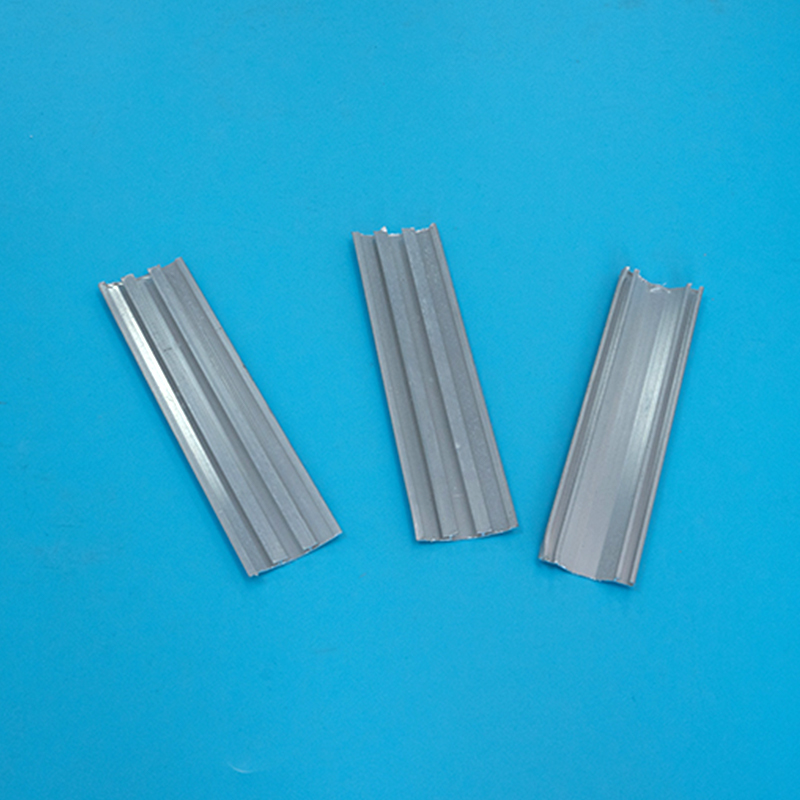
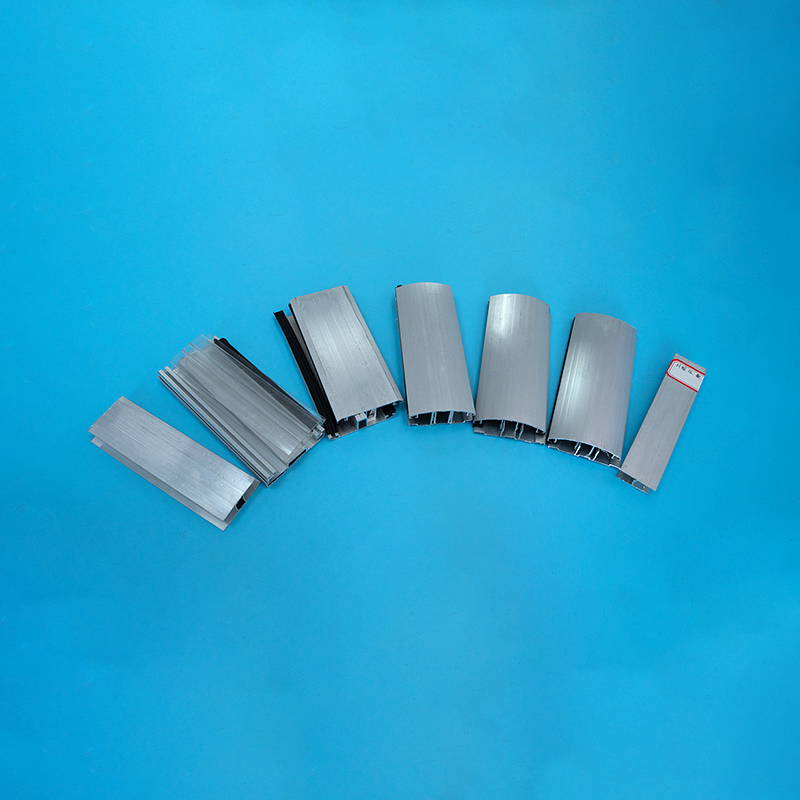
Second, seal the open channel ends before installation. The hollow ribs will collect moisture, algae, and insects if left open. Aluminum U-profiles or breathable tape close the bottom edge; solid tape seals the top (ridge) edge to prevent water ingress while allowing condensate to escape below.
Third, install the UV-coated face outward. The protective layer is on one side only, marked by the manufacturer's film. Reversing the sheet halves its outdoor service life. Aluminum H-profiles and closure accessories designed specifically for hollow sheet systems make clean, watertight joints between panels and simplify the entire assembly process.
Fire Rating, Temperature Range, and Long-Term Performance
Standard polycarbonate hollow sheet operates reliably between -40°C and 120°C. Within that range, thermal expansion is predictable and manageable. Above 120°C — which can occur in poorly ventilated enclosed spaces in hot climates — the material begins to soften, so ventilation design matters. In practice, outdoor roofing applications rarely approach that threshold.
Fire performance varies by product grade. General-purpose hollow sheet self-extinguishes when a flame is removed. B2-certified fire-retardant variants are required by code for public buildings, airports, schools, and large retail spaces in many jurisdictions. Always confirm local fire code requirements before specifying.
UV stabilizers and antioxidant additives built into quality panels slow thermal aging significantly. Panels produced from 100% virgin polycarbonate resin — rather than blended or recycled material — maintain higher impact strength and color stability throughout their service life, making the initial cost premium worthwhile for any long-term installation.