English
 Español


Provide you with the latest enterprise and industry news.
Content
- 1 Why Corrugated Polycarbonate Beats Glass — By a Wide Margin
- 2 Key Specs You Should Know Before Buying
- 3 Where Corrugated Polycarbonate Performs Best
- 4 UV Protection: The Feature That Determines Longevity
- 5 Color Selection and Light Control
- 6 Installation Essentials That Prevent Leaks and Failures
- 7 Corrugated vs. Hollow Sheet: How to Choose
- 8 What to Look for When Sourcing
Why Corrugated Polycarbonate Beats Glass — By a Wide Margin
Glass has been the default roofing material for greenhouses, patios, and carports for decades. The problem? It shatters, it's heavy, and replacing a broken pane mid-season is expensive and time-consuming. Corrugated polycarbonate sheets were engineered specifically to solve those problems — and the numbers make the case clearly.
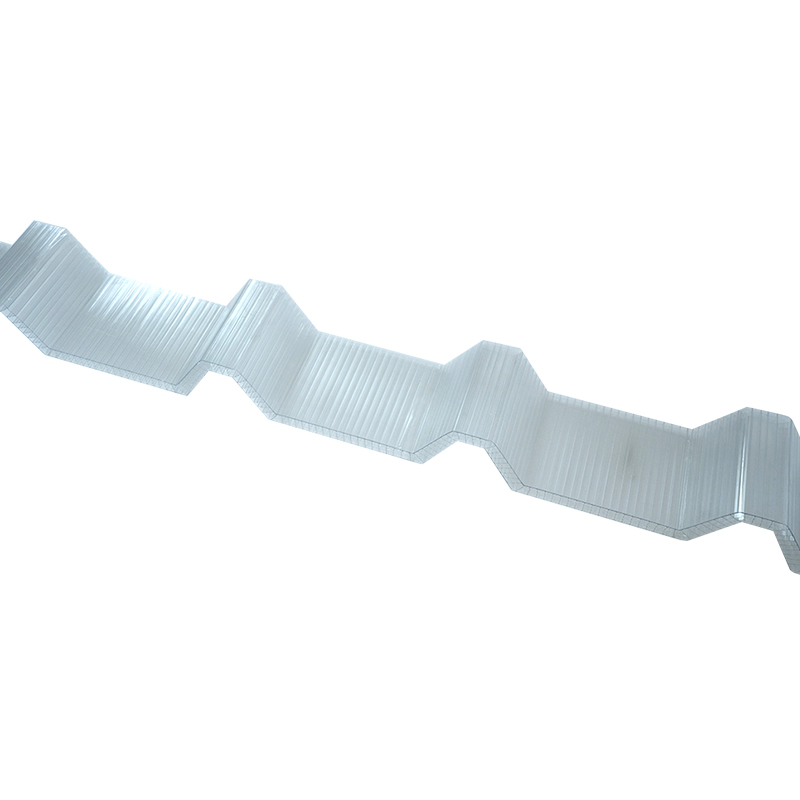
A single corrugated PC panel weighs just 1/15th of a glass pane with equivalent dimensions, yet delivers impact strength 250 times greater than glass and 30 times greater than acrylic. The corrugated wave profile isn't just aesthetic — it distributes load across the surface, resisting wind pressure up to GB/T 7106-2008 Level 1 classification without buckling or cracking.
Key Specs You Should Know Before Buying
Corrugated polycarbonate is not a one-size-fits-all product. The right panel depends on your application, climate, and budget. Here's a breakdown of the core parameters that matter:
| Parameter | Specification |
|---|---|
| Thickness | 1.2 mm – 2.8 mm |
| Width options | 1000 / 1060 / 1100 / 1200 / 1240 / 1260 mm |
| Length | 50 m rolls or custom cut |
| Light transmission | 0 – 89% (depends on color) |
| Operating temperature | –40°C to +120°C |
| UV protective layer | 50 microns, co-extruded |
| Flame rating | Class B1 (GB8624-2012) |
| Warranty | 10 years |
Thickness is the single most influential variable for outdoor projects. Thinner panels (1.2–1.5 mm) work well for temporary or lightly shaded structures. For permanent roofing exposed to hail, wind, or heavy snow loads, go with 2.0 mm or above. The minimum cold-bending radius is 175 times the panel thickness — useful to know if you're covering an arched pergola or curved canopy.
Where Corrugated Polycarbonate Performs Best
The corrugated profile naturally channels rainwater runoff, which makes it particularly effective as a roofing material. It's widely used across these applications:
- Greenhouses and agricultural structures — High light transmission (up to 89% in clear versions) supports plant growth while the UV co-extruded layer protects against harmful radiation.
- Patios, pergolas, and carports — The panels are light enough for one person to carry and install without heavy machinery, keeping labor costs low on residential projects.
- Industrial skylights and roof lights — The flame-retardant B1 rating satisfies fire codes for commercial and industrial buildings.
- Sheds, canopies, and pool enclosures — Weather resistance holds up in coastal environments where salt spray would corrode metal alternatives.
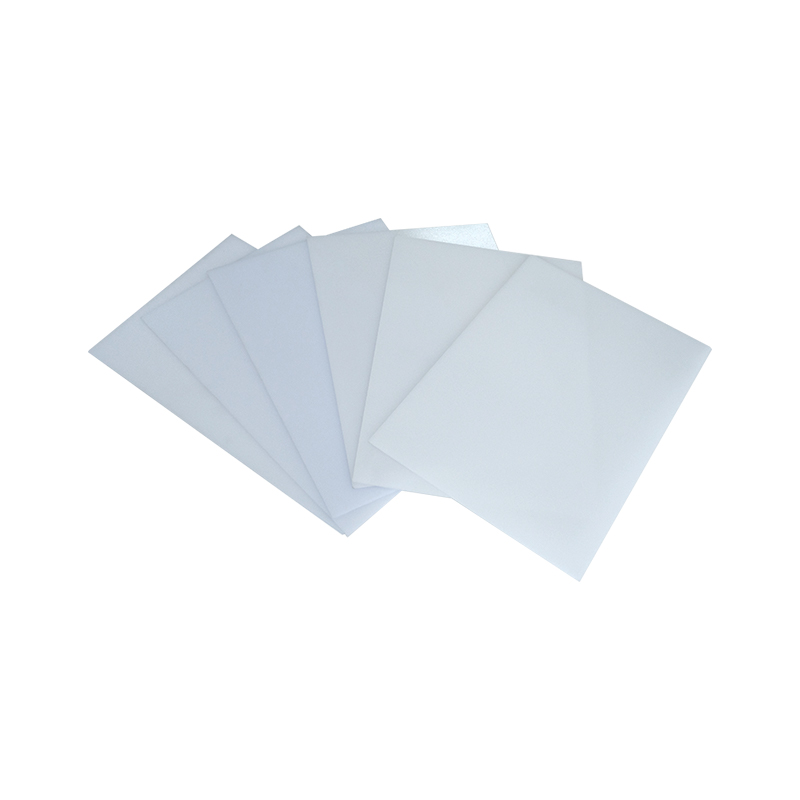
For projects where privacy is needed alongside natural light, embossed and corrugated polycarbonate variants diffuse light while obscuring direct visibility — a practical choice for bathroom skylights or partition walls.
UV Protection: The Feature That Determines Longevity
Polycarbonate without UV protection yellows within two to three years of outdoor exposure. This isn't a cosmetic issue alone — yellowing signals UV degradation that reduces both light transmission and structural integrity. A UV-unprotected panel that started at 85% light transmission can drop below 60% within five years.
Quality corrugated sheets use a co-extruded UV layer — meaning UV-blocking resin is fused into the surface during manufacturing rather than applied as a coating afterward. Coatings can peel, scratch off, or wear unevenly. Co-extrusion doesn't. The 50-micron UV layer on Nilin's corrugated panels is bonded permanently to the surface, maintaining optical and mechanical performance across a 10-year warranty period.
Always verify whether the UV protection is single-sided or double-sided. In roofing, one-sided protection (UV layer on the top surface) is standard. Applications where UV exposure comes from both directions — such as vertical cladding or translucent wall panels — should use double-sided protection.
Color Selection and Light Control
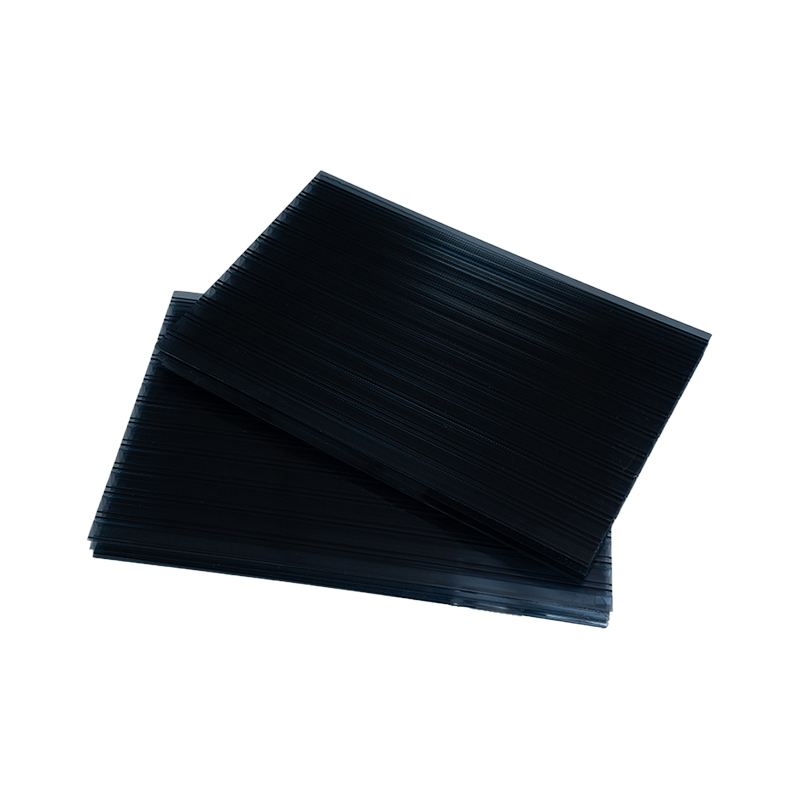
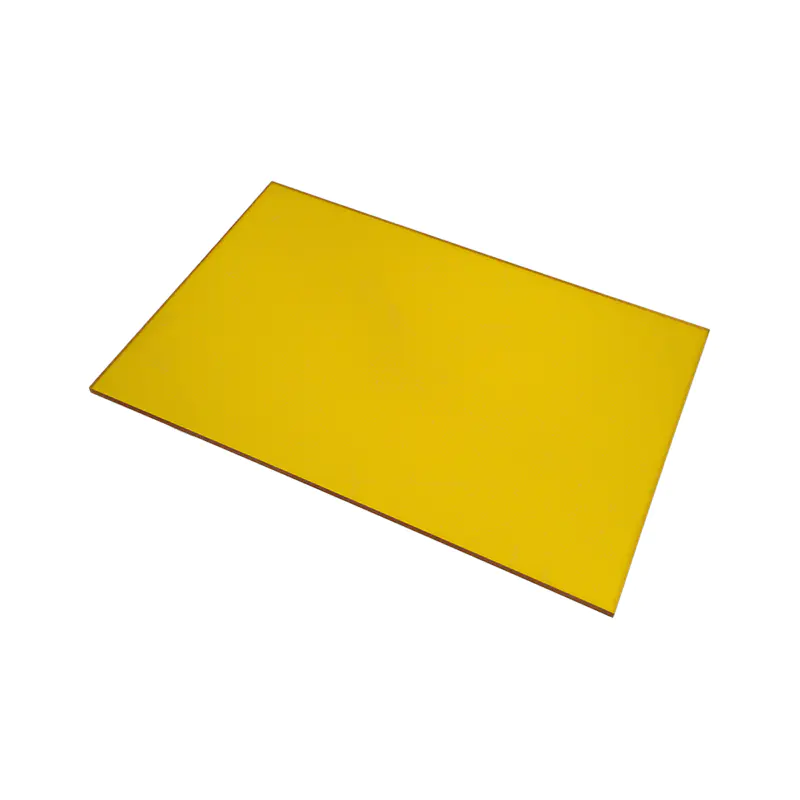
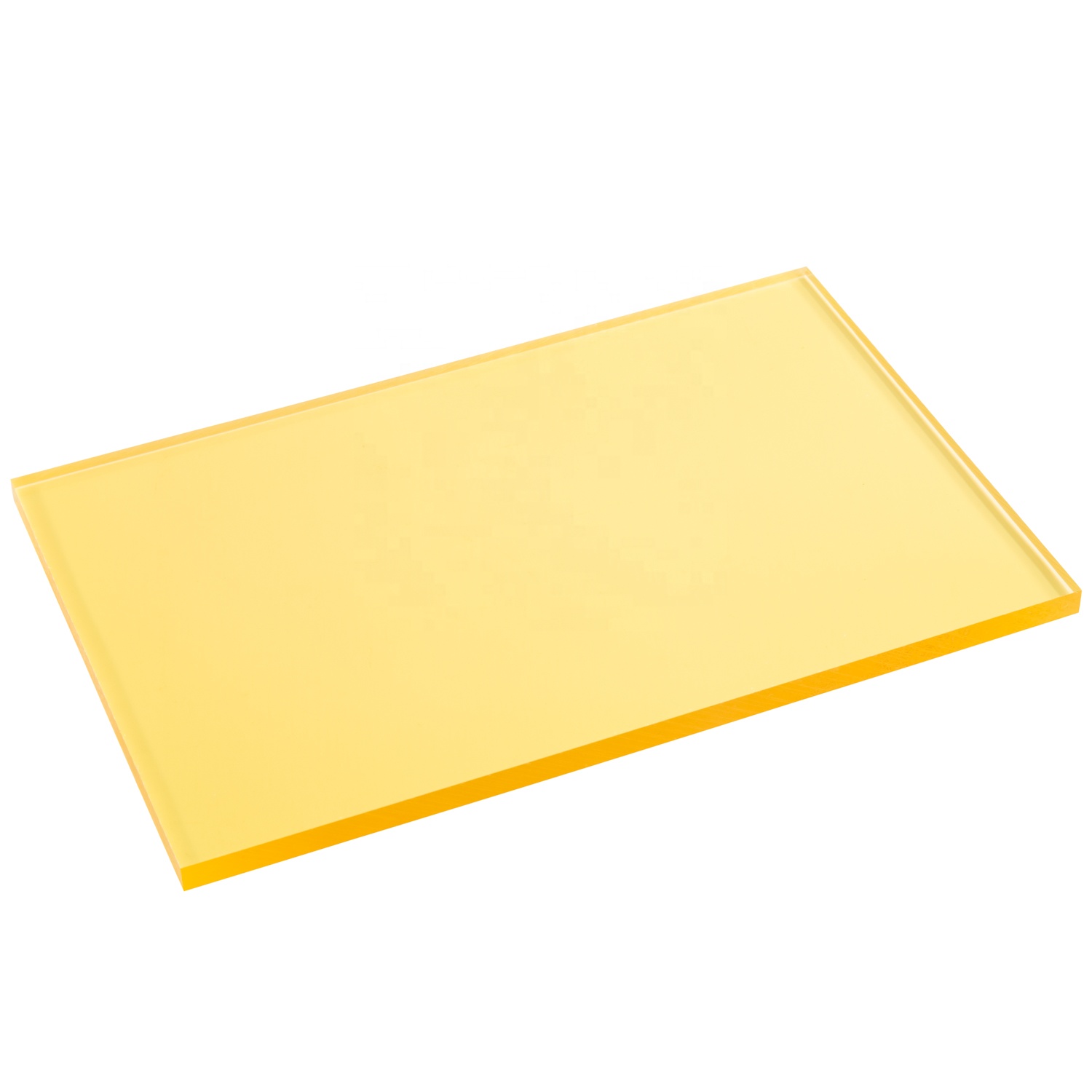
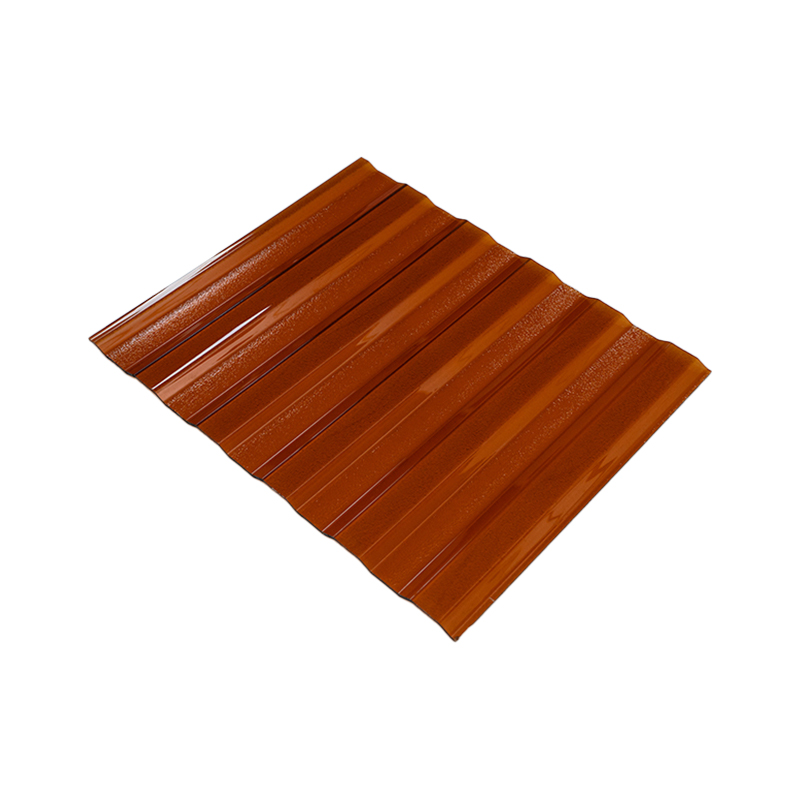
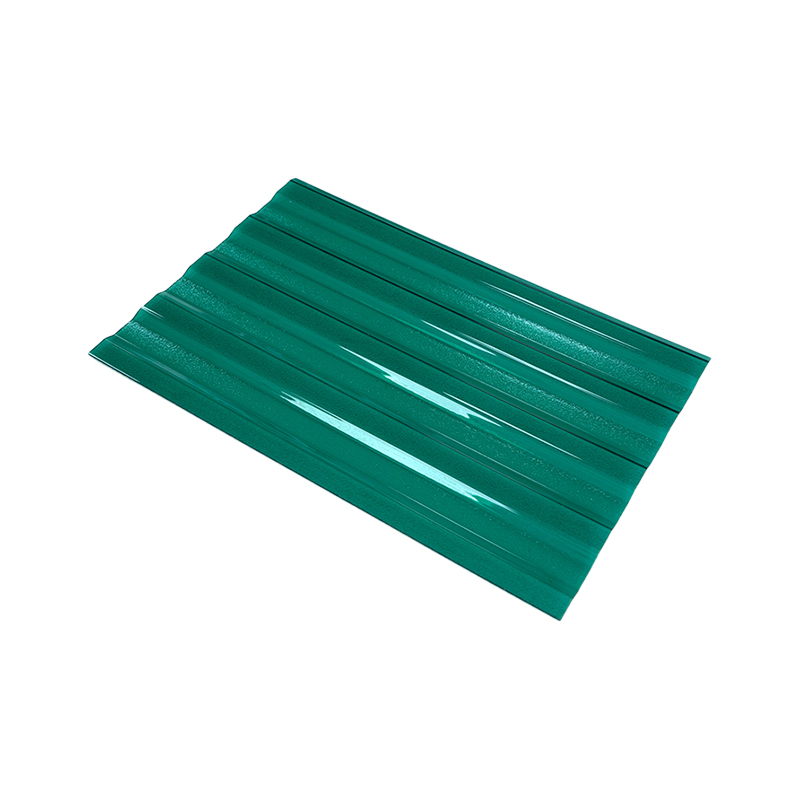
Color choice directly controls how much light enters a space and how much heat is retained. Clear panels transmit up to 89% of visible light — ideal for greenhouses where photosynthesis depends on natural illumination. Tinted options (blue, bronze, green, opal, lake blue) reduce glare and heat gain, which matters enormously for patios and carports in high-sun climates.
Opal and white diffuse light evenly across a space without creating harsh shadows — a good choice for indoor work areas or architectural skylights. Bronze absorbs more solar radiation, offering shade without completely blocking natural light. The right choice balances your lighting needs against your thermal comfort requirements for the specific space.
Installation Essentials That Prevent Leaks and Failures
Even a high-quality corrugated sheet performs poorly if installed incorrectly. A few principles matter more than anything else:
- Use rubber washer screws at the corrugation crests — never in the valleys. Fastening in the valleys traps water and accelerates leak failure.
- Overlap at least one full corrugation at side joints. In exposed or high-wind areas, increase the overlap and add sealant between sheets.
- Pre-drill slightly oversized holes to allow for thermal expansion. Polycarbonate expands and contracts with temperature change; rigid fastening without clearance causes cracking over time.
- Seal open sheet ends with aluminum tape or end caps to prevent dust, insects, and moisture from entering the corrugation channels.
- Maintain a minimum roof slope of 5° to ensure water drains freely rather than pooling between panels.
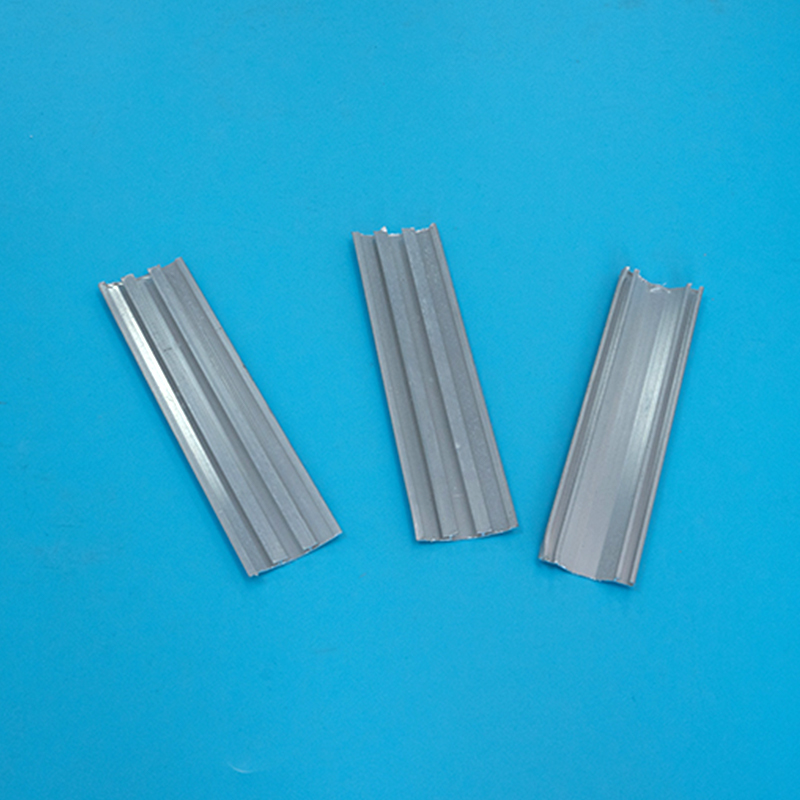
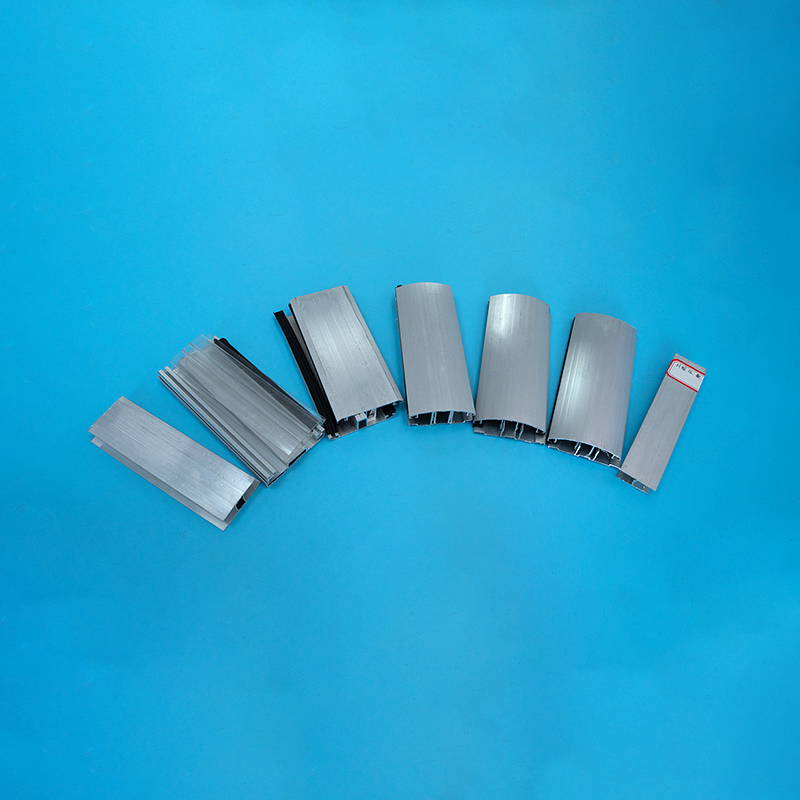
For projects requiring connectors between panel runs, aluminum U, H, and 3-in-1 profile accessories provide weathertight joints without relying solely on sealant.
Corrugated vs. Hollow Sheet: How to Choose
Both corrugated and hollow (multiwall) polycarbonate serve outdoor roofing, but they suit different scenarios. Corrugated sheets are single-layer panels with a wave profile — they're thinner, lighter, and lower cost, making them well suited to agricultural structures, sheds, and large-area simple roofing where insulation is less critical.
Polycarbonate hollow sheets have a twin- or multi-wall structure that traps air between layers, significantly improving thermal insulation — energy savings of 1.5 to 1.7 times equivalent glass thickness. If you're heating or cooling the space below the roof (a grow house, conservatory, or sunroom), hollow sheets pay back the price difference in energy costs relatively quickly.
For purely unheated outdoor structures where budget and ease of installation take priority, corrugated remains the better-value choice.
What to Look for When Sourcing
The corrugated polycarbonate market includes a wide range of material quality. Panels made from 100% virgin Bayer or SABIC resin offer consistent optical clarity and mechanical performance across the full sheet. Recycled or blended-resin panels are cheaper upfront but typically show faster yellowing, inconsistent light transmission, and shorter service life.
Ask for the UV layer thickness specification (50 microns is a reliable benchmark) and confirm the warranty covers both optical performance and structural integrity — not just manufacturing defects. A 10-year warranty backed by a manufacturer with traceable production standards is a meaningful differentiator from commodity imports.
Minimum order quantities for custom sizes typically start at 100 square meters. For smaller residential projects, standard widths and roll lengths cut to size are the more practical route.