English
 Español


Provide you with the latest enterprise and industry news.
Content
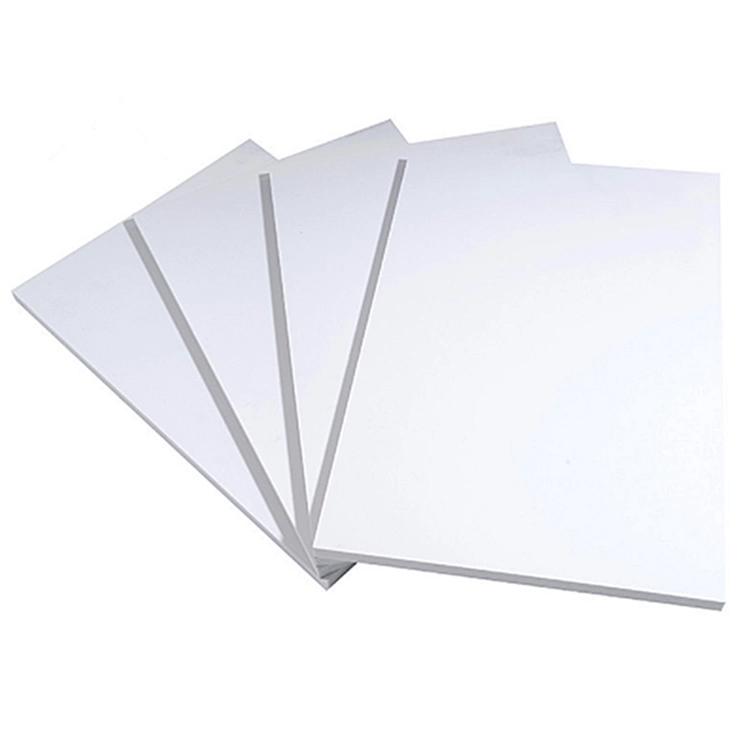
Most buyers searching for light-diffusing panels end up choosing between frosted glass and standard polycarbonate — and walk right past the option that often outperforms both. Embossed polycarbonate sheets combine the shatter resistance of polycarbonate with a textured surface that scatters light, blocks sightlines, and adds structural rigidity — all without sacrificing transparency or adding significant weight. Here's what you need to know to pick the right one.
What Makes Embossed Polycarbonate Different
An embossed polycarbonate sheet has a pattern pressed into one surface during manufacturing, while the opposite side remains smooth. The texture isn't cosmetic — it physically redirects incoming light, breaking it into scattered rays instead of allowing direct transmission. The result is a panel that lets natural light pass through while obscuring vision and eliminating harsh glare.
Three surface patterns dominate the market:
- Diamond pattern — The most popular. Its faceted geometry provides strong light diffusion and a clean, architectural look. Widely used in skylights, partition walls, and decorative panels. Explore diamond embossed PC sheets and their specifications to understand sizing options.
- Prism pattern — Micro-prism ridges concentrate and redirect light at specific angles, ideal for lighting fixtures and commercial lamp diffusers where controlled illumination matters.
- Orange peel pattern — A subtle, matte-like texture that softens light gently. Common in shower screens, conference room glazing, and privacy partitions where a cleaner aesthetic is preferred.
Choosing the wrong pattern for your application is the most common sourcing mistake. Diamond diffuses broadly; prism redirects directionally; orange peel softens minimally.
Core Properties Worth Knowing
Polycarbonate as a base material is already exceptional — embossing adds benefits on top of that foundation. Here's the performance profile that matters most for buyers:
- Impact resistance: Polycarbonate is roughly 250 times stronger than glass at equivalent thickness. The embossed texture adds further rigidity by acting as a structural rib, reducing flex under load — important for roofing and canopy applications.
- UV protection: Quality embossed sheets use a co-extruded UV blocking layer on the smooth side. This layer protects the polycarbonate itself from degradation caused by UV absorption — preventing yellowing and maintaining light transmission over time. Look for products that specify a UV-coated surface and confirm it's co-extruded (bonded during manufacturing) rather than applied as an afterthought.
- Operating temperature: Standard embossed PC handles temperatures from -40°C to +120°C without cracking or warping. This range makes it suitable for greenhouses, outdoor signage, and industrial enclosures across extreme climates.
- Fire behavior: Most grades meet UL 94 V2 flame-retardant classification, meaning the material self-extinguishes when the ignition source is removed. Always confirm the specific rating with your supplier if building codes require compliance.
- Weight: At roughly half the weight of equivalent-thickness glass, embossed polycarbonate significantly reduces structural load — an advantage for pergolas, walkway covers, and retrofit glazing.
Thickness typically ranges from 1.25 mm (rolls for light applications) to 6 mm or more for rigid sheet formats. The full range of embossed sheet sizes and thickness options on this site covers the most common formats for construction and industrial use.
Where Embossed PC Actually Performs Best
The combination of diffused light and privacy makes embossed polycarbonate a specific-purpose material. It's not the right choice everywhere — but where it fits, few alternatives match it:
- Privacy screens and partitions: Office dividers, gym enclosures, conference room windows. The texture blocks clear sightlines while maintaining a bright, open atmosphere.
- Shower screens and bathroom enclosures: Lightweight, shatterproof, and moisture-resistant. Orange peel patterns are particularly common here for their soft appearance.
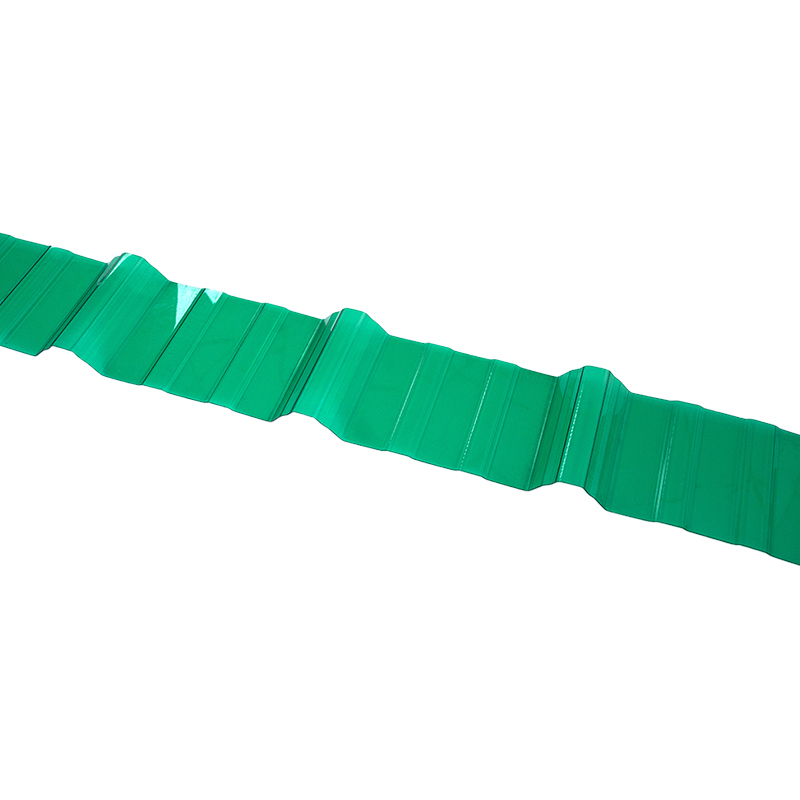
- Roofing and walkway covers: Carports, pergolas, and covered walkways benefit from the diffused natural light. Browse available embossed and corrugated polycarbonate roofing options to compare structural profiles suited for overhead applications.
- Lighting fixtures and lamp diffusers: Prism-pattern embossed sheets are used extensively in commercial and industrial lighting, replacing glass diffusers at a fraction of the weight with equivalent optical performance.
- Greenhouses and agricultural structures: Diffused light reduces hot spots and promotes even plant growth. Embossed sheets with high light transmittance but low direct-beam exposure are a good match for this use case. See greenhouse-optimized embossed corrugated sheets designed for agricultural light management.
- Sound barriers: Polycarbonate's density and rigidity give it effective acoustic dampening — relevant for partition walls in industrial or office environments.
How to Choose the Right Sheet for Your Project
A few decision points make most of the difference:
Indoor vs. outdoor: Outdoor applications require co-extruded UV coating. Indoor use is less demanding — you can prioritize aesthetics and cost over weatherability.
Privacy vs. light output: Deeper textures (diamond) scatter more aggressively, reducing transparency further. If you need maximum light while still obscuring vision, test prism or orange peel samples against your specific lighting conditions before committing to a large order.
Structural requirements: For roofing or any application with span loads, check the bending specifications at your target thickness. Thinner sheets (under 2 mm) are flexible and roll-form well for curved applications but are not suitable for structural overhead use without close framing support.
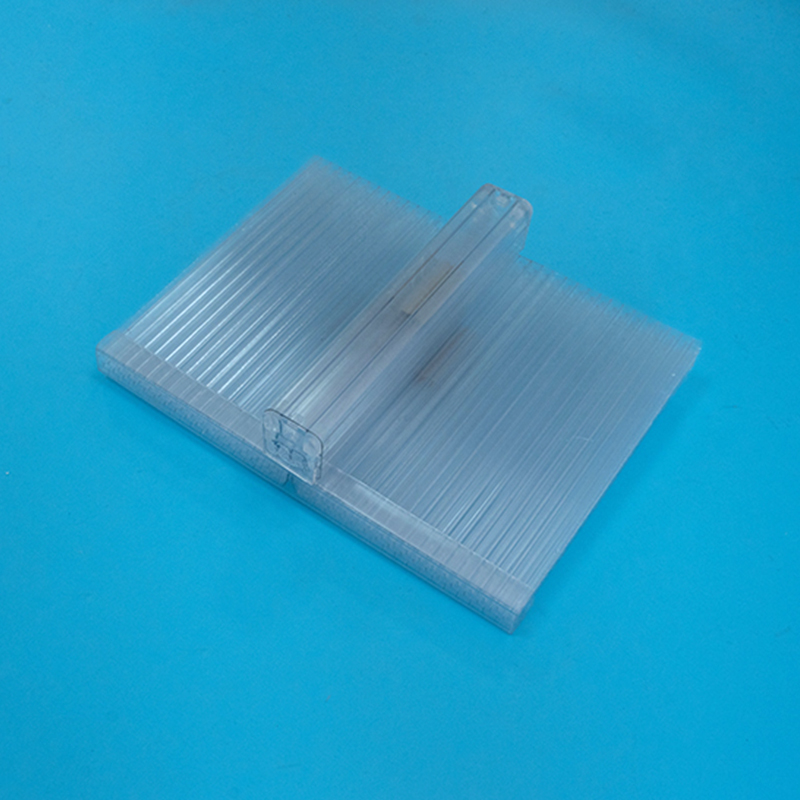
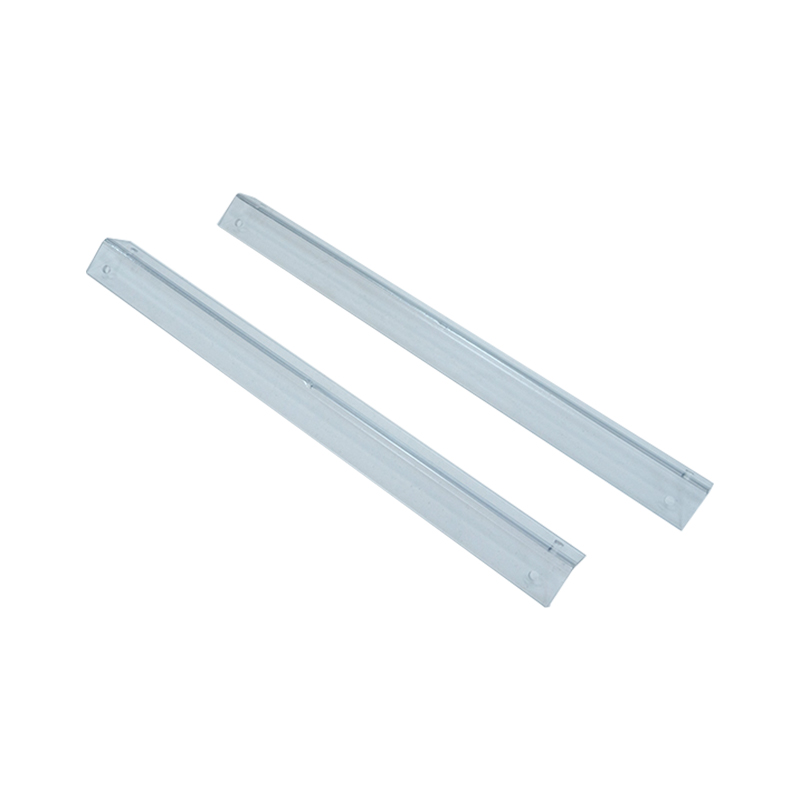
Fabrication: Embossed polycarbonate cuts cleanly with standard carbide-tipped saw blades and drills with standard twist bits. Cold bending is possible across the smooth face; hot forming allows more complex shapes. For custom-cut or processed components, check out bending and custom-processed polycarbonate sheet services. Installation accessories like H-profiles and U-channels are available as well — polycarbonate sheet accessories that simplify panel-to-panel connections and edge sealing.
One detail that buyers frequently overlook: UV protection on polycarbonate is designed to protect the sheet itself, not just the people underneath. As Palram's technical documentation on UV behavior in polycarbonate explains, polycarbonate absorbs UV radiation internally — which prevents transmission but causes gradual yellowing unless a co-extruded protective layer is applied. Always confirm with your supplier that the UV layer is co-extruded, not laminated post-production.
The Bottom Line
Embossed polycarbonate sheets are a mature, well-understood material — but the pattern choice, UV protection method, and thickness selection still trip up buyers unfamiliar with the category. Get those three decisions right and you'll have a panel that outlasts glass in impact resistance, outperforms standard polycarbonate in light quality, and requires almost no maintenance over a decade or more of service.
For a broader overview of the full polycarbonate product range — including hollow and solid sheet options for different applications — the comprehensive guide to polycarbonate sheets covers the full landscape.