English
 Español


Provide you with the latest enterprise and industry news.
Content
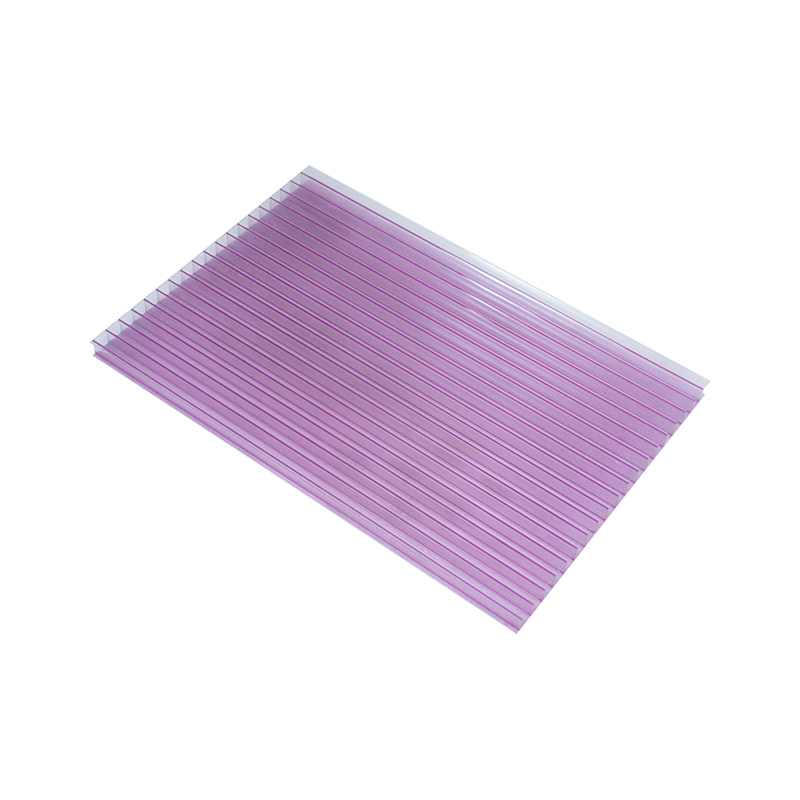
Polycarbonate hollow sheets offer an exceptional balance of impact resistance, light transmission, and thermal insulation, making them a superior alternative to glass and acrylic in construction. Their multi-wall structure traps air, cutting energy costs while remaining virtually unbreakable.
Structural Engineering of Multi-Wall Designs
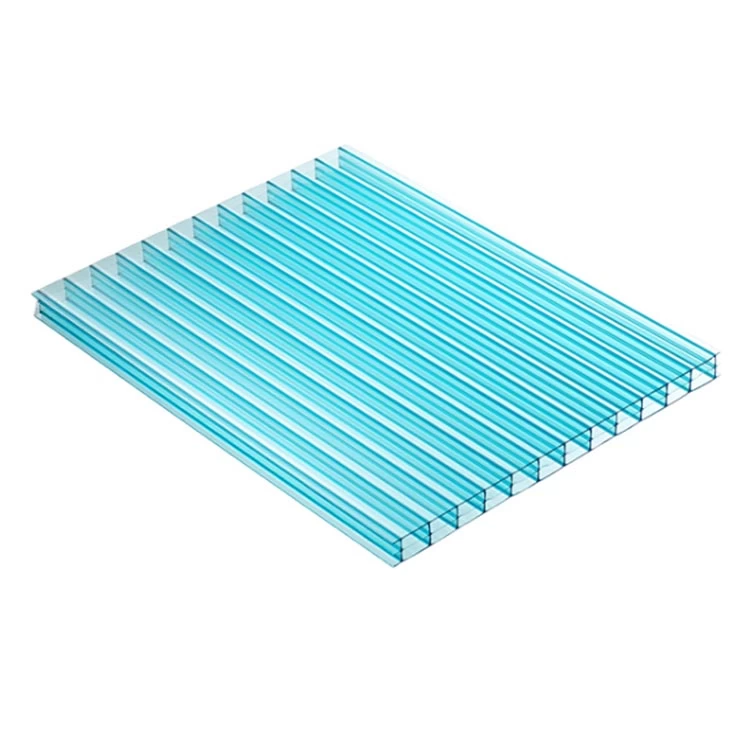
The performance of these sheets comes from their internal ribbing. Common configurations include twin-wall, triple-wall, and X-structure profiles. The trapped air pockets are what provide the insulative value. For instance, a 10mm twin-wall sheet typically offers a U-value of around 3.0 W/m²K, while a thicker 25mm sheet can drop that to approximately 1.5 W/m²K, significantly reducing heating and cooling loads on a building.
Comparing Wall Configurations
Different structures suit different loads and spans. Below is a breakdown of the most common types and their best-use scenarios.
| Profile Type | Typical Thickness | Key Benefit | Ideal Application |
|---|---|---|---|
| Twin-Wall | 4mm – 10mm | Cost-effective, easy to cold-curve | Greenhouses, shed windows, DIY projects |
| Triple-Wall | 16mm – 20mm | Higher rigidity and better insulation | Conservatories, carports, partition walls |
| X-Structure | 25mm – 40mm | Superior snow-load bearing capacity | Commercial skylights, high-altitude roofing |
Defining a Clear Superiority Over Glass and Acrylic
A direct comparison makes the choice obvious for impact-prone or insulating applications. While glass offers scratch resistance and standard acrylic is cheaper upfront, neither matches the long-term durability and safety profile. Polycarbonate is 250 times stronger than glass and practically shatterproof, which is critical for overhead glazing.
Key Performance Indicators
- Weight: A hollow polycarbonate sheet weighs approximately 1.7 kg/m² for 10mm thickness, compared to 25 kg/m² for a glass equivalent. The structural support can therefore be lighter and cheaper.
- Thermal Insulation: The U-value of a 16mm triple-wall polycarbonate panel is roughly 1.8 to 2.0 W/m²K, doubling the insulative capacity of a single-pane glass of the same thickness.
- Light Diffusion: Unlike clear glass that creates harsh hot spots, polycarbonate hollow sheets diffuse light, providing gentle, even illumination perfect for plants and living spaces.
UV Protection and Weather Resistance
A common concern is yellowing and embrittlement, but modern manufacturing virtually eliminates this. A co-extruded UV protective layer is bonded to one side of the sheet, acting as a permanent shield. Without it, the material would degrade within months. With a proper UV layer, warranties against yellowing typically extend to 10 years, and the structural integrity can last much longer.
Installation is critical: identify the UV-protected side, which is clearly marked on the masking film. Installing it facing the sun is a non-negotiable step. Failure to orient the sheet correctly is the single most common cause of material failure in otherwise durable structures.
Thermal Movement and Correct Installation Technique
Polycarbonate expands and contracts considerably with temperature fluctuations, roughly 0.065 mm per meter per degree Celsius. If you ignore this, the result is warped roofs and buckling panels. Consider a 3-meter-long sheet on a 40-degree day where the material temperature hits 60°C versus a nighttime temperature of 10°C. The movement can be substantial: a 3-meter panel can expand by nearly 10mm.
Essential Installation Rules
- Drill Oversized Holes: Allow at least 3-4mm of space around the screw shank for movement.
- Do Not Over-Tighten: Use screws with EPDM washers and stop as soon as the washer seals, without compressing the sheet.
- Seal Ribs Properly: Use anti-dust solid tape at the bottom end to block dirt and insects, and breathable vented tape at the top to allow moisture to escape.
Practical Applications Beyond Roofing
While a staple for patio covers and pergolas, the versatility of hollow polycarbonate sheets extends much further. Their ease of cutting with a fine-toothed saw and cold-forming ability opens up many design opportunities.
- Interior Partitions: They create light-filled office dividers while maintaining acoustic privacy. The hollow channels actually dampen sound transmission better than solid glass.
- Agricultural Greenhouses: The multi-wall structure provides a heat-retentive bubble that stabilizes greenhouse temperatures overnight, reducing frost risk for sensitive plants.
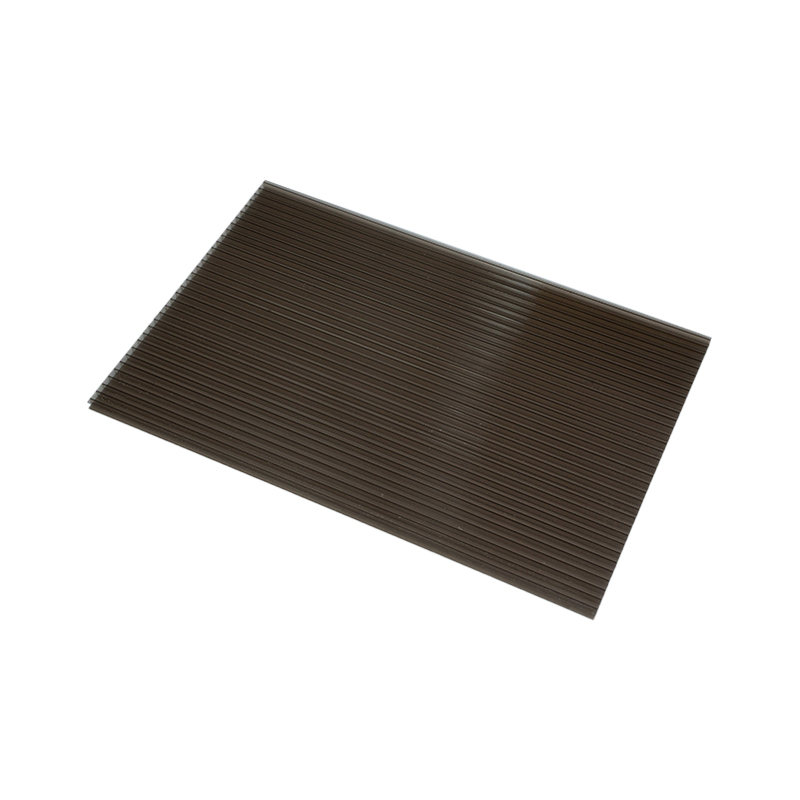
- Sound Barriers: Highways often utilize thicker, multi-colored panels as transparent noise barriers that are immune to shattering from road debris vibrations.
Cleaning and Long-Term Maintenance
Keeping panels clean preserves light transmission and prevents grime buildup that can chemically attack the surface over time. Abrasive brushes and ammonia-based cleaners like window sprays will immediately damage the UV coating and cause micro-crazing. Follow these simple steps instead:
- Rinse loose dirt away with lukewarm water first to avoid scratching.
- Use a mild soap solution and a soft microfiber cloth or sponge.
- Wash gently in the direction of the flutes to avoid debris catching on the ribs.
This routine ensures that the high light-transmission value, often up to 80% for clear twin-wall sheets, stays consistent for decades.