English
 Español


Provide you with the latest enterprise and industry news.
Content
- 1 Cast vs. Extruded Acrylic: The Manufacturing Difference That Defines Performance
- 2 Optical Clarity and Light Transmission: The Real Numbers
- 3 Thickness Selection: When 2 mm Is Enough and When You Need 25 mm
- 4 Color, Finish, and Decorative Options
- 5 Outdoor Durability: Weathering, UV Stability, and Expected Lifespan
- 6 Fabrication and Machining: Cutting, Drilling, and Bending Guidelines
- 7 Cost Considerations and Buying Smart
A fabricator weighing a 3 mm acrylic sheet against a glass pane for a retail display isn’t just comparing prices. The acrylic option offers 17 times the impact resistance of glass at half the weight, yet the choice hinges on whether the sheet is cast or extruded, what optical grade it meets, and how it will be cut or bent. That decision cascades into durability, fabrication efficiency, and long-term appearance.
Acrylic sheet, also known as PMMA (polymethyl methacrylate), continues to replace glass and polycarbonate in signage, barriers, glazing, lighting, and decorative panels. Understanding the manufacturing method, thickness tolerances, and finishing options is essential before selecting a sheet for a specific project.
Cast vs. Extruded Acrylic: The Manufacturing Difference That Defines Performance
The cell-cast process pours liquid MMA between glass molds, creating a sheet with high molecular weight and superior chemical resistance. Extruded acrylic is formed by pushing melted resin through rollers; it is more economical but has lower heat deflection and can stress-crack more easily when exposed to certain solvents.
For most precision applications—CNC routing, chemical bonding, or outdoor use—cast acrylic is the standard. Extruded acrylic works well for dry indoor applications with tight budgets where thickness consistency is critical.
| Property | Cast Acrylic | Extruded Acrylic |
|---|---|---|
| Thickness tolerance | ± 10% or better | ± 5% (tighter) |
| Thermoforming | Excellent, high heat resistance | Good, but lower heat deflection |
| Chemical resistance | Superior; resists cracking | Moderate; prone to stress cracking |
| Laser cutting | Clean edge, minimal melting | Faster cut, but sharper smell |
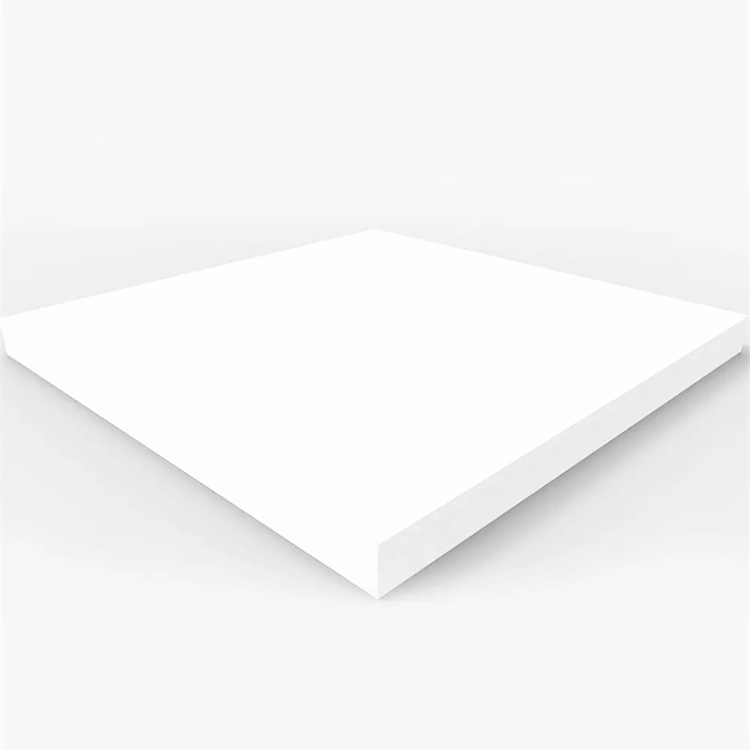
When long-term clarity or solvent bonding matters, high-clarity cast acrylic sheet delivers better performance. For a deeper look at selection criteria, our guide on how to choose the right acrylic sheet explains additional trade-offs.
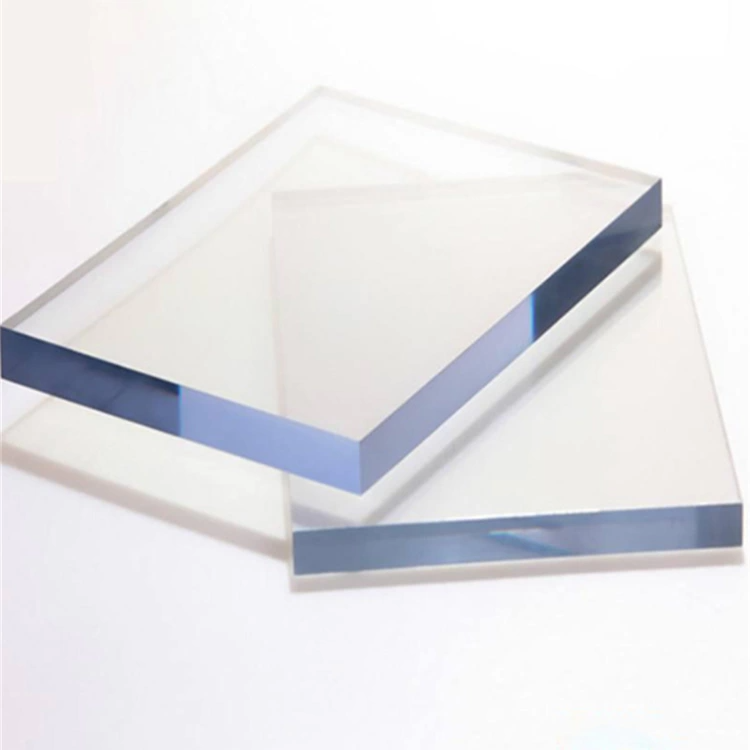 Wholesale Pure Different Thickness Pmma Transparent Perspex Acrylic Sheet SuppliSuzhou Nilin New Material Technology Co., Ltd is China wholesale Pure Different Thickness Pmma Transparent Perspex Acrylic Sheet supplier...View Product →
Optical Clarity and Light Transmission: The Real Numbers
A clear acrylic sheet transmits up to 92% of visible light—higher than even the finest float glass. This property, combined with excellent edge-glow characteristics, makes it indispensable for backlit signage, museum cases, and LED light guide panels. Unlike glass, acrylic does not require a heavy frame and can be drilled, polished, and thermoformed without compromising transparency.
For edge-lit displays, an edge-lit LED light guide acrylic sheet uses laser-engraved dots to distribute light evenly across a panel. The material’s refractive index (1.49) ensures minimal light loss, making thin sheets from 3 mm to 10 mm ideal for signage and illuminated shelving.
 Wholesale Laser Engraving Led Light Guide Panel Acrylic Sheet Suppliers, OEM/ODMSuzhou Nilin New Material Technology Co., Ltd is China wholesale Laser Engraving Led Light Guide Panel Acrylic Sheet suppliers and OEM/OD...View Product →
Thickness Selection: When 2 mm Is Enough and When You Need 25 mm
Thickness drives not just strength but also flexibility, weight, and fabrication possibilities. A 2 mm acrylic sheet can be cold-bent into gentle curves and used for point-of-sale displays; it weighs about 2.4 kg per square meter. A 10 mm sheet provides structure for aquarium windows and protective barriers, resisting deflection under water pressure or crowd loads.
- 2–4 mm: Signage, photo frames, glazing for cabinet doors, and lightweight covers.
- 5–8 mm: Shelving, small aquariums, and machine guards.
- 10–15 mm: Large aquarium viewing panels, architectural balustrades, and security glazing.
- 20 mm and above: Heavy-duty industrial windows, transparent structural elements, and large public barriers.
Deflection under load is the primary failure mode, not breakage. A simply supported 10 mm acrylic panel with a 1-meter span can deflect over 6 mm under a 100 kg point load. Always consult a span/deflection chart or supplier data to avoid a bouncy or distorted installation.
Color, Finish, and Decorative Options
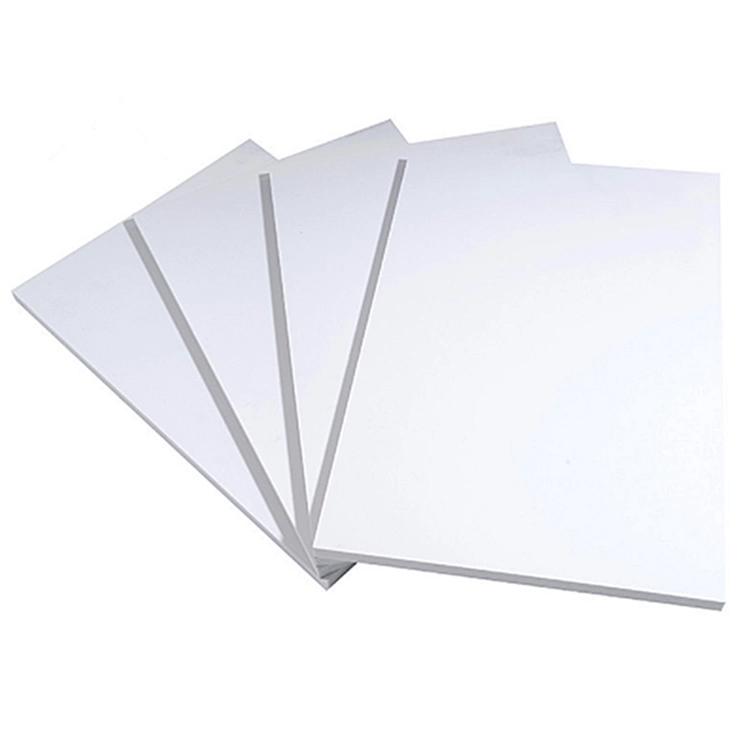
Acrylic sheets are available in transparent, translucent, and opaque colors. Cast acrylic supports a wider range of pigmented options, including pastels and fluorescents. A pastel-color rainbow cast acrylic sheet can transform interior design elements, retail displays, and artistic installations while maintaining the same machinability as clear grades.
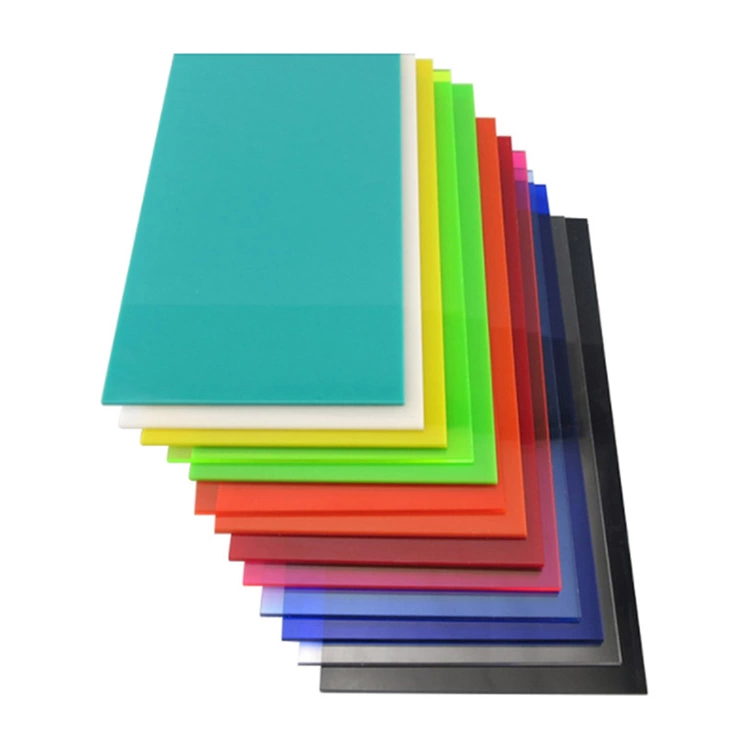 Wholesale Pastel Color Rainbow Cast Acrylic/perspex Sheet For Decorate SuppliersSuzhou Nilin New Material Technology Co., Ltd is China wholesale Pastel Color Rainbow Cast Acrylic/perspex Sheet For Decorate suppliers a...View Product →
Frosted and matte finishes diffuse light and hide fingerprints. For outdoor signage, UV-stabilized colors resist fading for 10+ years when properly formulated. Black and white opaque acrylics serve as light-blocking panels and are often used in lighting fixtures to direct illumination.
Outdoor Durability: Weathering, UV Stability, and Expected Lifespan
Acrylic naturally resists yellowing because it absorbs very little UV radiation. However, long-term outdoor exposure can cause surface micro-crazing if the sheet is not properly formulated. Cast acrylic with a UV-stabilized formula retains over 85% of its clarity after 10 years outdoors, making it the material of choice for skylights, greenhouses, and exterior signage.
For applications expecting constant sun and rain, surface treatments or co-extruded UV-blocking layers add insurance. If the project involves a wet or high-humidity environment, read our article on acrylic sheet’s outdoor performance to avoid common installation mistakes.
Fabrication and Machining: Cutting, Drilling, and Bending Guidelines
Laser Cutting
CO₂ lasers produce flame-polished edges on acrylic. Cast acrylic cuts with a smooth, glossy finish, while extruded acrylic can melt at the kerf and leave a sticky residue. Use air assist and correct power settings to prevent discoloration.
CNC Routing and Sawing
Use a single-flute upcut router bit to prevent melting. Feed rates around 80–120 inches per minute at 18,000 RPM work well for 6 mm cast acrylic. Always allow for chip clearance.
Thermoforming and Bending
Cast acrylic softens between 140°C and 180°C. Line bending with a strip heater works for straight folds. For complex shapes, vacuum forming or drape forming over a mold yields consistent results. Overheating causes bubbles; a temperature controller is essential.
Bonding and Joining
Solvent cement (methylene chloride) welds acrylic by dissolving the surface, creating a clear, strong seam. Extruded acrylic is more prone to stress cracking around joints, so cast is preferred for solvent-welded assemblies like aquariums.
Cost Considerations and Buying Smart
The price per square foot of acrylic sheet varies with thickness, grade, and color. Cast acrylic typically costs 20–40% more than extruded of the same dimensions, but the reduced scrap rate and better machining characteristics often justify the premium for professional fabrication.
When ordering, specify thickness tolerance, surface finish (gloss, matte, anti-glare), and whether the sheet needs masking film on one or both sides. Many suppliers offer cut-to-size services that save time and reduce shipping cost on large panels.