English
 Español


Provide you with the latest enterprise and industry news.
Content
A greenhouse operator in a hail-prone area watches a storm roll in. The 6 mm twinwall polycarbonate roof flexes but does not crack. Polycarbonate hollow sheets have proven themselves in thousands of such installations — not by chance, but by combining extreme impact resistance with thermal insulation that solid glazing cannot match. Whether planning a new skylight, a commercial greenhouse, or a partition wall, understanding the material's structure and performance parameters changes the outcome of your project.
What Are Polycarbonate Hollow Sheets?
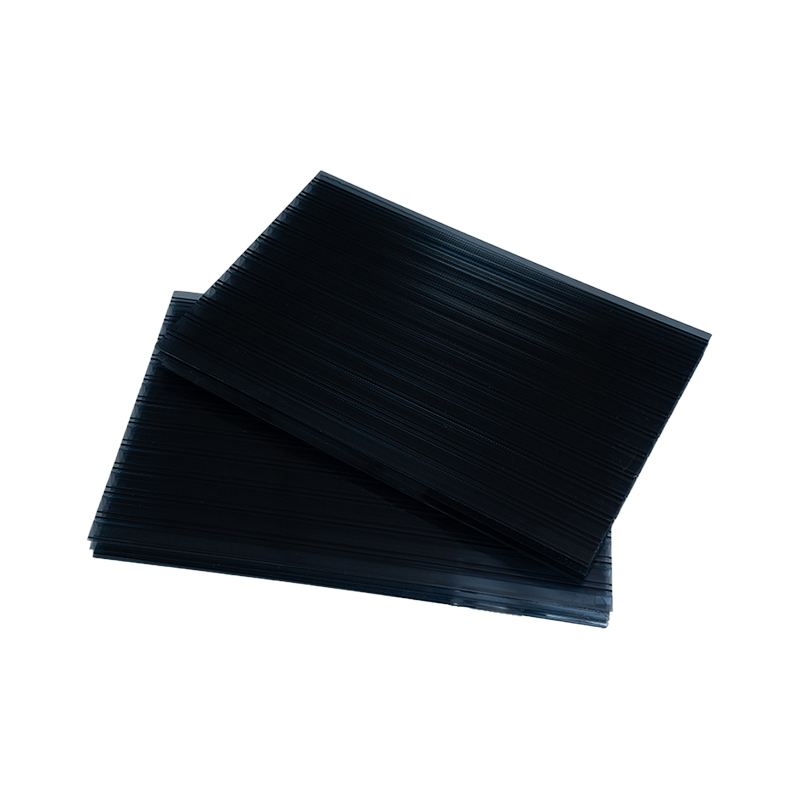
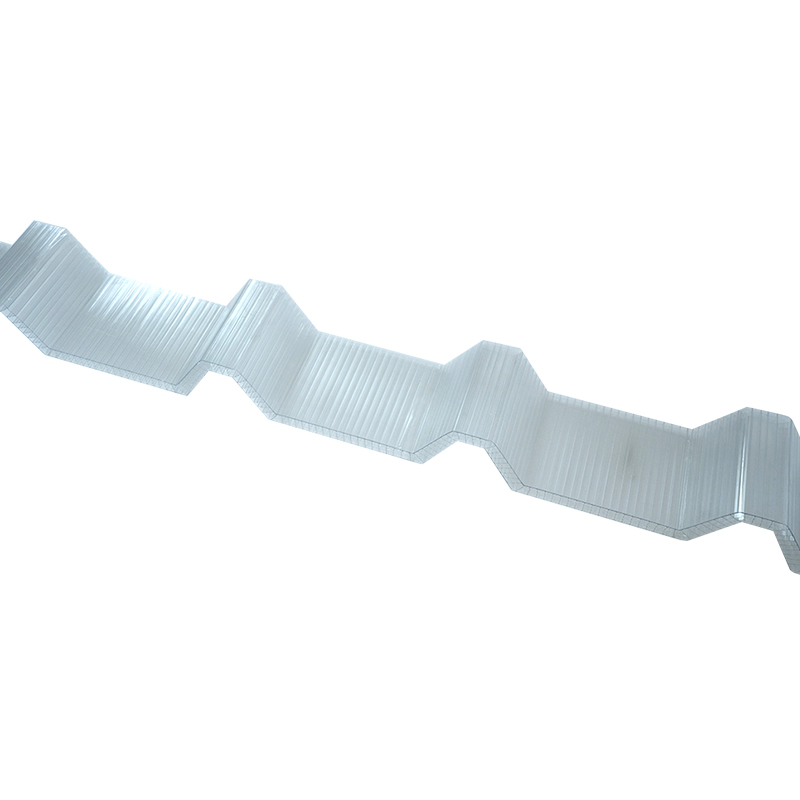
Polycarbonate hollow sheets are lightweight multi-wall extruded panels made from polycarbonate resin. Each sheet contains two or more flat outer layers connected by vertical ribs, creating parallel air channels. This cellular structure reduces weight while trapping air for insulation. Standard thicknesses range from 4 mm to 25 mm, with 6 mm, 8 mm, and 10 mm being the most widely stocked options.
The number of walls defines the category: twinwall (2-layer) is the most common, followed by triple-wall, 4-layer, X-structure 5-wall, and honeycomb designs. Each additional wall and channel improves the thermal break, but adds weight and cost. For projects requiring maximum insulation without excessive thickness, 4-layer polycarbonate hollow sheets deliver a U-value under 1.8 W/m²K while maintaining excellent light transmission.
Multi-wall configurations such as triple-wall and X-structure 5-wall are often specified for mountain chalets and cold-climate skylights because they trap air more efficiently. The internal rib geometry — from straight to X-shaped — governs both load-bearing capacity and thermal performance.
Performance Properties That Matter
Impact resistance: Polycarbonate hollow sheets withstand impacts 250 times greater than glass of the same thickness and 30 times greater than acrylic. This inherent toughness eliminates shattering risks, making the material ideal for hail-prone roofs and security glazing.
Thermal insulation: The hollow structure provides a thermal barrier. The U-value depends on sheet thickness and configuration. A 10 mm twinwall sheet typically achieves around 2.5 W/m²K, while a 16 mm multiwall panel can reach below 1.5 W/m²K. Lower U-values mean less heat loss, reducing energy bills in heated structures.
| Thickness & Type | U-value (W/m²K) | Visible Light Transmission |
|---|---|---|
| 4 mm twinwall | 3.9 | 82% |
| 6 mm twinwall | 3.6 | 80% |
| 8 mm twinwall | 3.3 | 79% |
| 10 mm twinwall | 3.0 | 78% |
| 16 mm triplewall | 2.3 | 72% |
| 25 mm multiwall | 1.7 | 60% |
UV protection: Most hollow sheets feature a co-extruded UV-resistant layer on the weather-facing side. This layer blocks over 98% of harmful UV radiation, preventing yellowing and brittleness for 10 years or more. For high-altitude installations, double-sided UV protection is recommended.
Fire performance: Polycarbonate has a V-2 or HB rating per UL 94, and many sheets are available with B1 or B2 fire classification. Specifying a rated sheet may be mandatory for public buildings in several regions.
Application Areas
Polycarbonate hollow sheets cover a spectrum of structural and architectural uses. Their combination of light weight, high impact strength, and thermal insulation makes them a first choice for:
- Greenhouse glazing: Diffused light transmission and UV blocking protect plants while insulating the interior. A 100% virgin polycarbonate greenhouse sheet with co-extruded UV layer minimizes yellowing over decades.
- Skylights and roof lights: Multiwall panels reduce heat loss from overhead glazing.
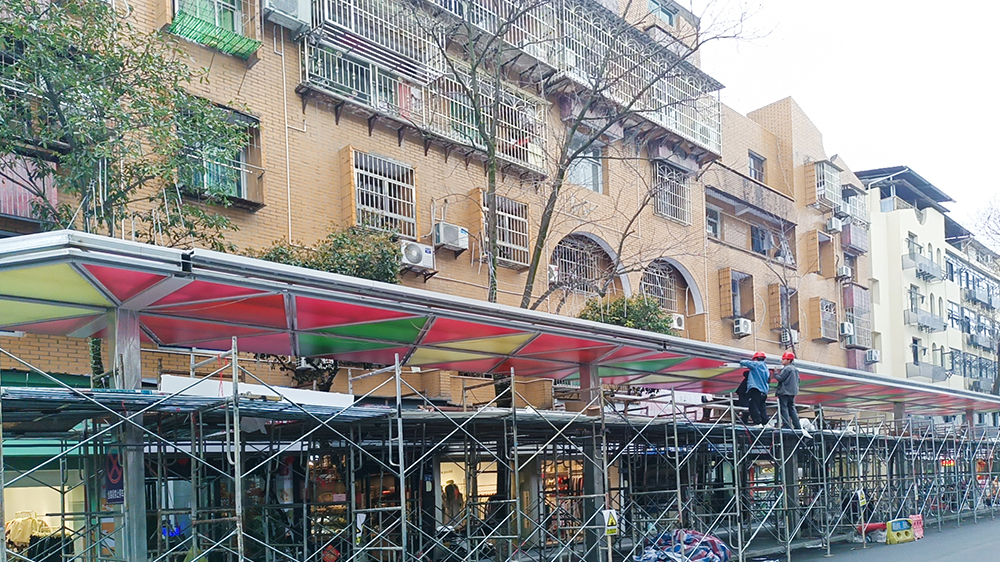
- Carports, pergolas, and canopies: Twinwall sheets handle hail and snow loads without breaking.
- Partitions and walls: U-lock interlocking polycarbonate sheets create modular, light-diffusing partitions.
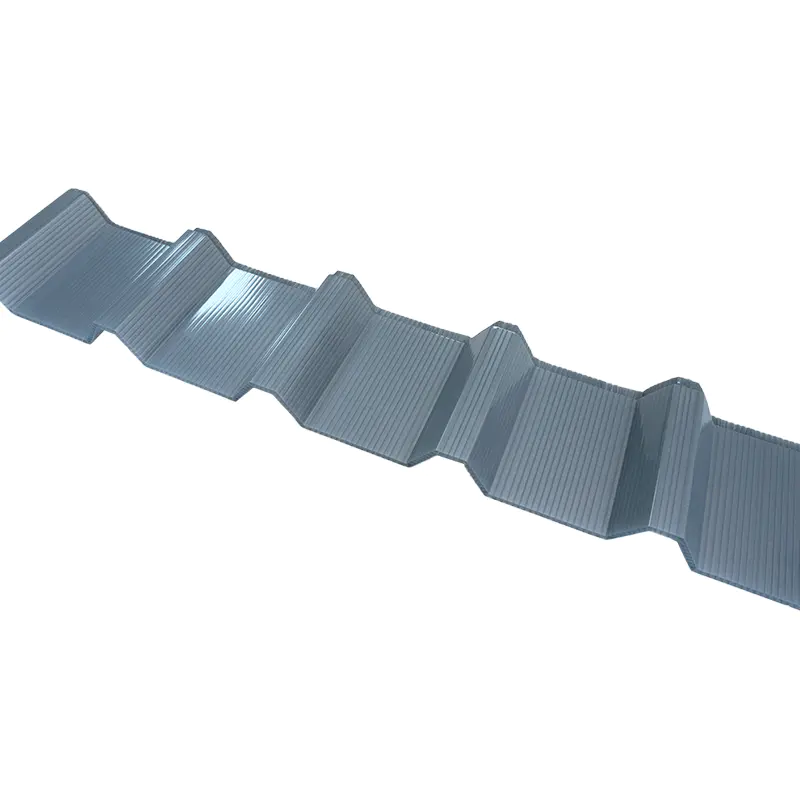
- Industrial roofing: Cellular and honeycomb sheets span large purlin distances with minimal framing.
Installation and Maintenance Basics
Correct installation directly affects longevity. Sheets must be mounted with the UV-protected side facing outward — usually indicated by printed film masking. Thermal expansion must be accommodated: polycarbonate expands roughly 0.065 mm per meter per degree Celsius. Drill holes should be oversize, and panels must never be rigidly clamped.
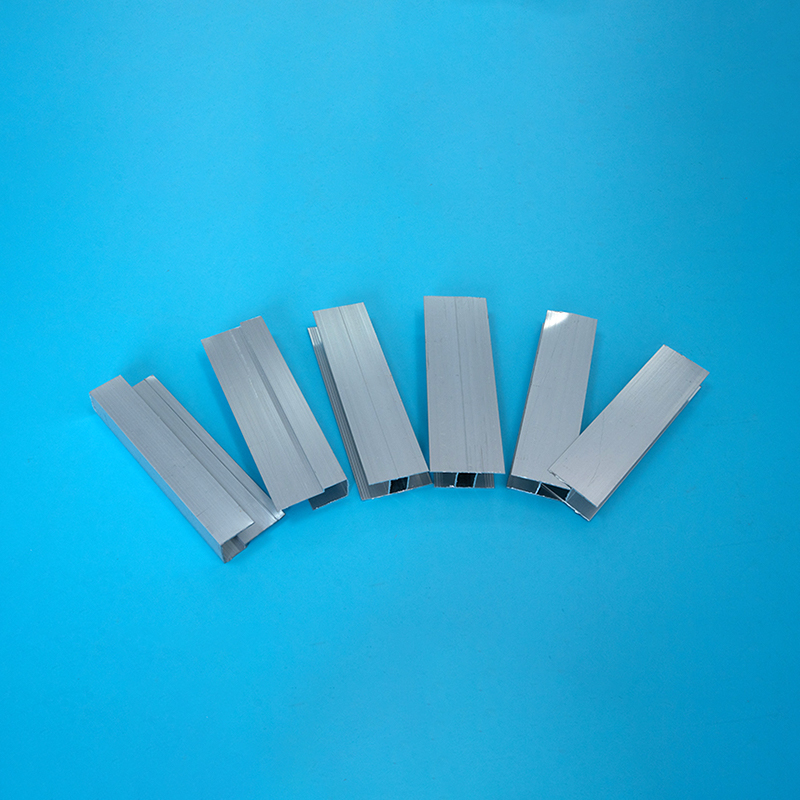
Use compatible aluminum profiles with EPDM seals to avoid point loads. Cleaning is straightforward with mild soap and water; abrasive cleaners and ammonia-based products will damage the UV layer.
Selecting the Right Hollow Sheet for Your Project
Start with the primary requirement — insulation, impact resistance, light transmission, or fire rating — and work backwards. A few decision points:
- If thermal insulation is critical, choose a thicker multiwall sheet (16 mm or 25 mm) with a U-value below 2.0 W/m²K.
- For maximum light transmission in a greenhouse, a 6 mm or 8 mm clear twinwall provides over 80% visible light with adequate insulation.
- Where fire safety is regulated, specify a B1 or B2 rated sheet.
- In heavy snow regions, increase thickness and opt for X-structure ribs for higher point load capacity.
Always verify the wind load and snow load calculations against the sheet's span table provided by the manufacturer.