English
 Español


Provide you with the latest enterprise and industry news.
Content
Why Solid Polycarbonate Sheets Are the Superior Choice
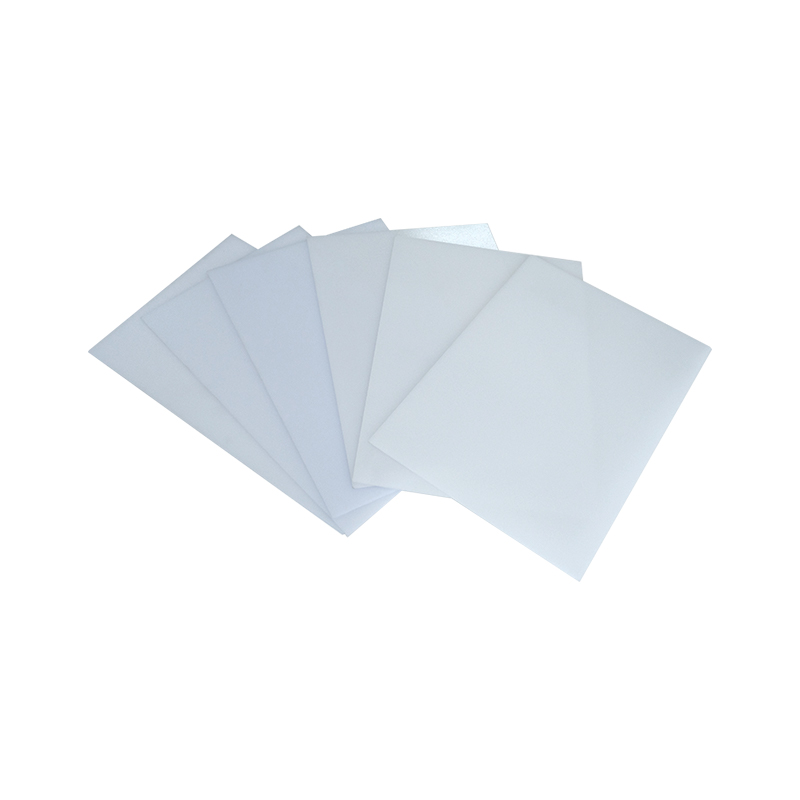
Solid polycarbonate sheets deliver 250 times the impact resistance of glass while weighing half as much, making them the preferred material for greenhouses, skylights, security glazing, and architectural applications. Unlike multiwall alternatives, solid sheets offer maximum optical clarity and structural integrity for high-stress environments.
When installed and maintained correctly, these sheets retain 90% of their light transmission after 10 years of outdoor exposure. The key to achieving this longevity lies in following precise cutting protocols, understanding thermal expansion requirements, and implementing a regular maintenance schedule.
Essential Tools and Preparation
Before beginning any project, gather the appropriate tools to ensure clean cuts and safe handling. Solid polycarbonate requires specific blade types and cutting speeds to prevent melting, chipping, or stress cracking.
Cutting Equipment Requirements
- Circular saw with 60-80 tooth carbide-tipped blade for straight cuts
- Jigsaw with metal-cutting blade for curves and cutouts
- Table saw for high-volume production cutting
- Utility knife with sharp blade for scoring thin sheets under 3mm
- Safety equipment including goggles, dust mask, and cut-resistant gloves
Installation Hardware
- UV-resistant screws with neoprene or EPDM washers
- Aluminum or PVC profiles for edge sealing and joining
- Breather tape for multiwall applications or edge protection tape for solid sheets
- Silicone sealant compatible with polycarbonate
Precision Cutting Techniques
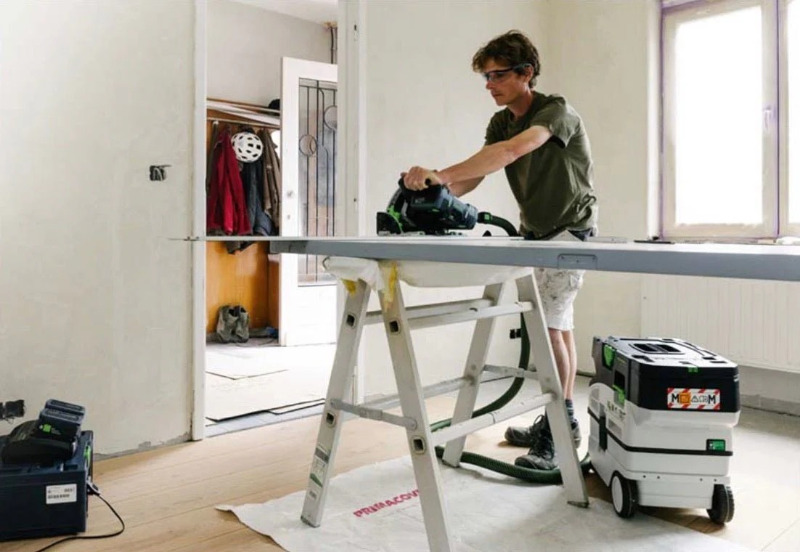
Cutting solid polycarbonate requires controlling heat buildup, which causes melting and blade binding. The goal is to achieve chip-free edges that require minimal finishing.
Optimal Blade Speed and Feed Rate
Set your circular saw to approximately 3000-4000 RPM and maintain a steady feed rate of 2-3 meters per minute. Faster speeds generate excessive heat, while slower speeds cause the blade to bite and potentially crack the material. Always allow the blade to reach full speed before contacting the sheet surface.
Supported Cutting Methods by Thickness
| Sheet Thickness | Recommended Tool | Blade Type | Cutting Speed |
|---|---|---|---|
| 1-3mm | Utility knife or scissors | Fresh snap-off blade | Score and snap |
| 4-6mm | Circular saw or jigsaw | 80-tooth carbide | 3000 RPM |
| 8-12mm | Table saw or circular saw | Triple-chip grind | 2500-3000 RPM |
| 15mm+ | CNC router or table saw | Specialized plastic bit | Controlled feed |
Preventing Common Cutting Defects
Melted edges indicate excessive blade speed or insufficient feed pressure. If you observe plastic welding to the blade, immediately stop and allow cooling. For chip-free results, secure the sheet firmly to prevent vibration, which causes micro-fractures along the cut line. Leave the protective film in place during cutting to prevent surface scratches.
Professional Installation Procedures
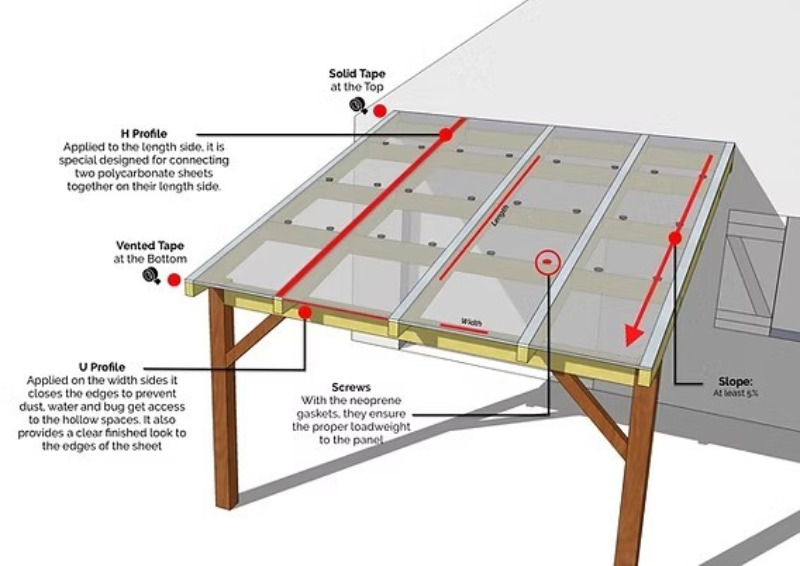
Proper installation accounts for thermal expansion, which causes solid polycarbonate to expand 3mm per meter for every 10°C temperature increase. Failure to accommodate this movement results in buckling, stress cracks, and premature failure.
Expansion Gap Requirements
Calculate expansion gaps based on your local temperature range. In climates with 40°C seasonal variation, a 2-meter sheet requires minimum 12mm end gaps. Always position sheets with the UV-protected side facing outward, identifiable by the printed protective film or manufacturer markings.
Fastening Best Practices
- Pre-drill holes 2mm larger than the screw diameter to allow thermal movement
- Space fasteners at 400-500mm intervals along purlins or supports
- Position screws at the center of expansion slots, never at sheet ends
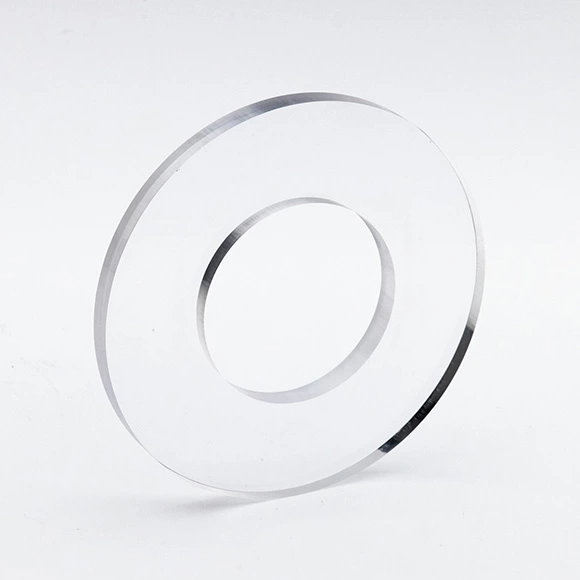
- Use washers with a minimum 25mm outer diameter to distribute clamping pressure
- Apply consistent torque to prevent over-compression or loose connections
Slope and Drainage Considerations
Install roofing applications with a minimum 5-degree slope (1:12 pitch) to ensure proper water runoff and prevent ponding. Standing water degrades UV coatings and promotes algae growth. For vertical installations, ensure the top edge is sealed with aluminum capping to prevent water ingress while allowing ventilation.
Long-Term Maintenance Protocol
Regular maintenance extends the service life of solid polycarbonate from 10 years to over 20 years. The key is using appropriate cleaning agents that do not attack the UV-resistant coating or the polymer substrate.
Approved Cleaning Solutions
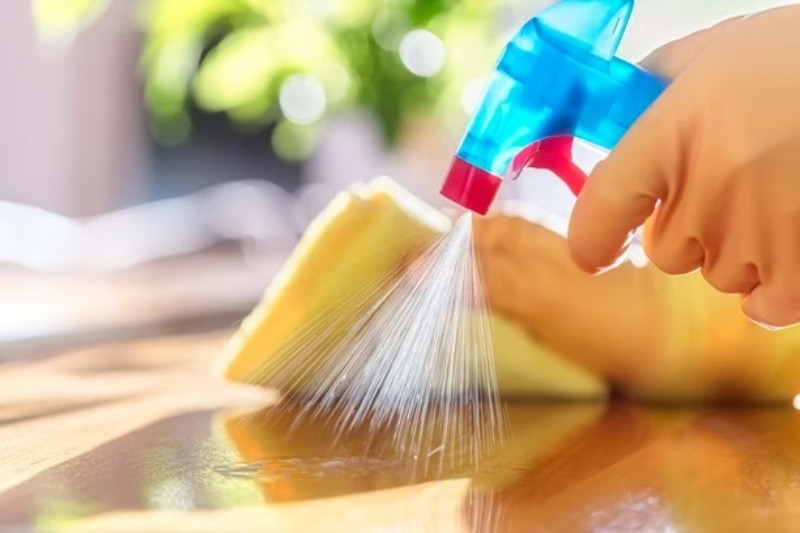
Use lukewarm water with a mild dish soap solution or specialized polycarbonate cleaner. Avoid ammonia-based products, abrasive powders, and solvents including acetone, benzene, or thinners, which cause crazing and surface embrittlement. Apply cleaning solution with a soft microfiber cloth or sponge, working in the direction of any visible grain.
Cleaning Frequency by Environment
| Environment Type | Cleaning Interval | Primary Concerns |
|---|---|---|
| Urban/Industrial | Every 3 months | Acid rain, particulate deposits |
| Coastal/Marine | Every 2 months | Salt spray corrosion |
| Rural/Agricultural | Every 6 months | Dust, pollen, organic matter |
| Greenhouse/Indoor | Every 12 months | Algae, mineral deposits |
Restoring Optical Clarity
For yellowed or hazy surfaces, a polishing compound designed for plastic restoration can recover up to 85% of original light transmission. Apply with a variable-speed buffer at 1500-2000 RPM using light pressure. Deep scratches may require wet sanding with 1000-grit sandpaper followed by finer grades up to 3000-grit before polishing.
Troubleshooting Common Issues
Even with proper installation, environmental factors can cause unexpected problems. Understanding the root cause prevents costly replacement.
Cracking and Stress Fractures
Cracks originating from fastener holes indicate insufficient expansion gaps or over-tightened screws. If you observe spider-web cracking, immediately relieve clamping pressure and assess whether the sheet can be repositioned or requires replacement. Never attempt to drill new holes in cracked areas.
Surface Crazing and Microcracks
Fine surface cracking results from chemical exposure or excessive cleaning pressure. Once crazing occurs, it cannot be reversed. Prevent further damage by switching to gentler cleaning methods and verifying that all sealants and adjacent materials are polycarbonate-compatible.
Condensation and Moisture Management
Interior condensation is common in high-humidity applications. Improve ventilation by ensuring a minimum 50mm air gap between the polycarbonate and the structure. Anti-drip coatings are available for greenhouse applications, applied to the interior surface during manufacturing.
Storage and Handling Guidelines
Store unused sheets horizontally on a flat surface, never standing vertically which causes warping. Keep the protective film intact until installation. UV exposure begins degrading unprotected polycarbonate within 30 days of direct sunlight, causing irreversible yellowing and embrittlement.
Stack sheets with the UV-protected side facing the same direction for easy identification during installation. Maintain storage temperatures between -20°C and 50°C to prevent thermal stress before installation.
Summary of Best Practices
Success with solid polycarbonate sheets depends on three fundamental principles: controlled cutting temperatures to prevent melting, adequate expansion allowances for thermal movement, and compatible cleaning chemistry to preserve optical properties. Projects following these guidelines consistently achieve 15-20 year service lives with minimal degradation.
Always verify local building codes regarding glazing materials and wind load requirements. For structural applications exceeding 3 square meters or overhead installations, consult an engineer to confirm load calculations and fastening specifications appropriate for your specific climate zone.