English
 Español


Provide you with the latest enterprise and industry news.
Content
- 1 What Makes Acrylic Sheet Worth Choosing
- 2 Choosing the Right Thickness
- 3 Optical Clarity: What the Numbers Actually Mean
- 4 Durability: What Affects Lifespan in Real-World Use
- 5 Cast vs. Extruded Acrylic: Which Manufacturing Method Is Right for You
- 6 Acrylic vs. Polycarbonate: Picking the Right Transparent Sheet for Each Job
- 7 Installation and Handling Tips That Protect Your Investment
- 8 Matching Acrylic Sheet Grade to Your Application
What Makes Acrylic Sheet Worth Choosing
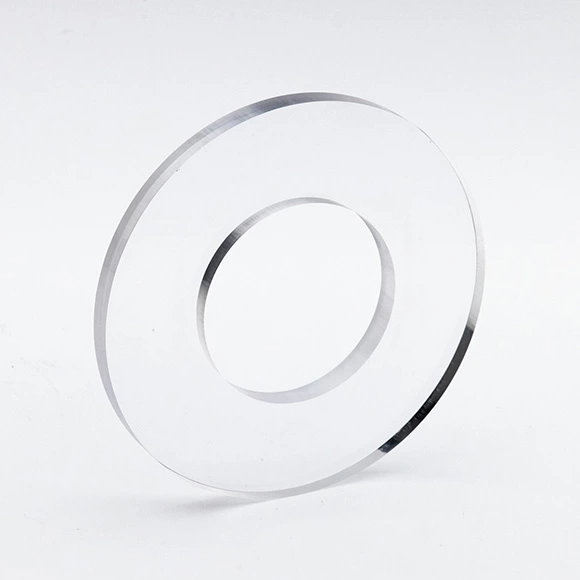
Acrylic sheet — also sold under names like PMMA, plexiglass, and perspex — is one of the few transparent materials that genuinely earns its reputation. With a light transmittance of over 92%, it transmits more visible light than standard glass while weighing roughly half as much. That combination of optical performance and practical handling has made it the default choice for everything from retail display cases to architectural glazing, signage, and decorative panels.
The challenge most buyers face is not deciding whether to use acrylic, but choosing the right specification. Thickness, manufacturing method, surface finish, and UV treatment all influence how a sheet performs in a specific application — and picking the wrong one means either paying for more than you need or replacing a panel ahead of schedule. This guide walks through each decision point so you can source with confidence.
Choosing the Right Thickness
Thickness is the single variable with the largest impact on load-bearing capacity. Because flexural stiffness scales with the cube of thickness, doubling a sheet's thickness multiplies its stiffness by a factor of eight — which is why getting this number right matters more than almost anything else.
The following ranges cover the most common use cases:
- 1 – 3 mm: Photo frames, small display covers, light-duty signs, and decorative overlays. Suitable for unsupported spans under 400 mm. Flexible enough to bend slightly without cracking in mild applications.
- 4 – 6 mm: Shelving, window glazing, machine guarding, and medium-format signage. Handles moderate spans and moderate point loads without visible deflection under normal conditions.
- 8 – 10 mm: Aquarium panels, safety barriers, desk surfaces, and secondary glazing. Recommended for spans over 700 mm where deflection must remain low and structural integrity is a priority.
- 12 mm and above: Structural glazing, large aquariums, industrial partitions, and architectural elements exposed to wind load. Required when continuous pressure or repeated mechanical loads are present.
As a practical guideline, keep the unsupported span-to-thickness ratio below 100 for static loads. For example, a 6 mm sheet should not span more than 600 mm without intermediate support. Exceeding this ratio under sustained load risks creep — a slow, permanent deformation that will compromise the panel over time even if it does not break immediately.
We supply acrylic sheets from 1 mm through 50 mm in both cast and extruded grades, with custom thicknesses available on request — so sourcing the exact specification for your project requires no compromise.
Optical Clarity: What the Numbers Actually Mean
Clarity in acrylic is not binary. Several factors determine how much light passes through a panel and how little distortion it introduces.
Light Transmittance
Clear acrylic transmits over 92% of visible light — a figure often cited as the benchmark for transparent plastics. Standard float glass transmits around 89 to 91%, so acrylic is not just lighter and safer: it actually delivers more light into the space. This matters in retail lighting, greenhouse construction, and anywhere else where maximising natural illumination reduces energy costs.
Cast vs. Extruded Clarity
Cast acrylic is produced by polymerizing liquid monomer between two glass molds. The slower process creates longer polymer chains, which deliver more consistent optical clarity across the sheet and make it better suited to applications where visual accuracy matters — lenses, display cases, and architectural features where distortion would be immediately visible. Extruded acrylic, produced by pushing molten material through a die, offers tighter thickness tolerances and lower cost but can carry slight optical variation, particularly at the edges. For display work and glazing where the viewer is close to the surface, cast is the better choice.
Surface Finish
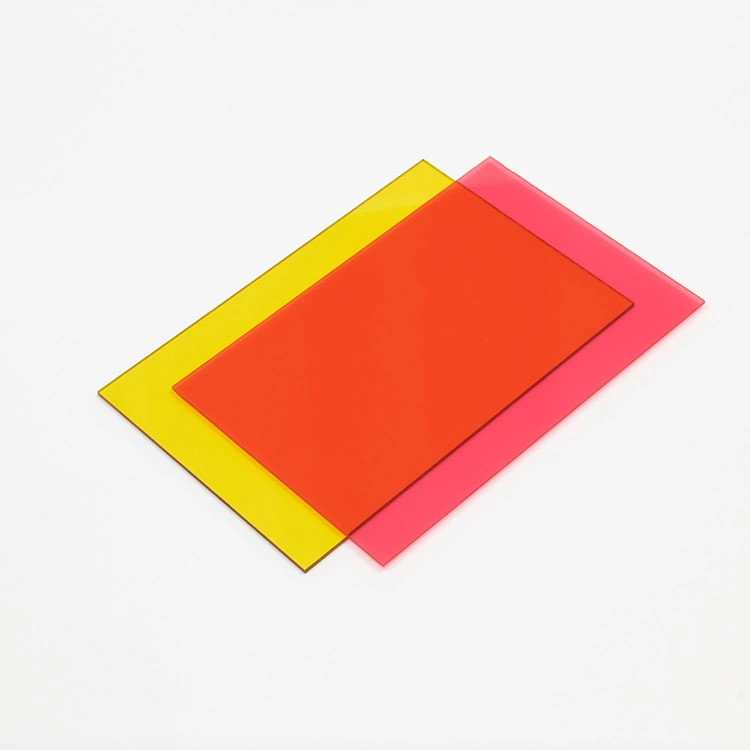
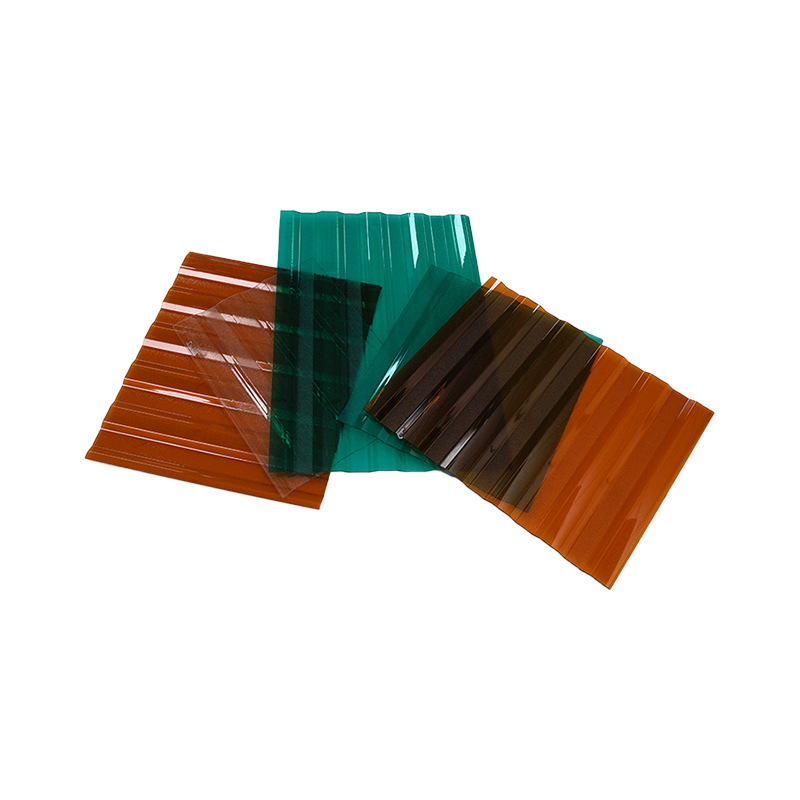
Not every application needs full transparency. Frosted and satin-finish acrylic sheets diffuse light evenly, making them popular for office partitions, bathroom panels, and backlit signage where a soft glow is preferred over sharp transmission. Patterned and embossed variants add texture while retaining the core benefits of the material. Tinted and coloured sheets — including translucent pastels and opaque options — are available for decorative applications where the full range of visible colour is needed.
| Surface Type | Light Transmittance | Best For |
|---|---|---|
| Clear Cast | ≥ 92% | Display, glazing, optical applications |
| Clear Extruded | 90 – 92% | Signage, machine guards, general glazing |
| Frosted / Satin | 50 – 75% | Partitions, light diffusers, privacy panels |
| Coloured Translucent | 20 – 60% | Decorative panels, backlit signage, crafts |
| Opaque / Solid Colour | 0% | Furniture, cladding, decorative accents |
Durability: What Affects Lifespan in Real-World Use
Acrylic's durability profile is strong in some areas and requires attention in others. Understanding both sides prevents premature failures and unnecessary over-specification.
Impact Resistance
Acrylic is 6 to 17 times more impact-resistant than standard glass of the same thickness. Critically, it does not shatter into sharp shards — it cracks and holds, which makes it significantly safer in public-facing applications. Transit shelters, school glazing, and sports facility barriers have used acrylic as a glass replacement for this reason for decades.
UV Stability
Unlike many plastics, acrylic does not yellow or become brittle under extended UV exposure without additional treatment. Quality outdoor signage produced from UV-stable acrylic can maintain clarity and colour for 10 years or more. If the application involves prolonged direct sunlight — roofing, skylights, outdoor facades — confirm that the sheet carries a UV-stabilised designation, as standard grades may yellow over time in intense UV climates.
Scratch Resistance
Acrylic has a surface hardness of around Rockwell M80, softer than glass. In high-contact environments — retail counters, interactive displays, transport applications — surface scratching is the most common complaint. Scratch-resistant coatings applied at the manufacturing stage extend surface life substantially and are worth specifying when frequent handling or cleaning is expected.
Heat Sensitivity
Acrylic begins to soften at 80 to 100°C and reaches its thermoforming range between 150 and 180°C. Near heat sources, lighting fixtures with high wattage lamps, or in industrial environments with elevated ambient temperatures, dimensional stability becomes a concern. For those environments, polycarbonate — which softens at 130 to 140°C — is the more appropriate choice.
Chemical Resistance
Acrylic holds up well against dilute acids, alkalis, and most common cleaning agents, which is why it performs reliably in laboratory display cases and food retail environments. However, strong organic solvents — acetone, benzene, lacquer thinners — will dissolve or craze the surface quickly. In environments where solvent contact is likely, this is a genuine vulnerability that should inform material selection.
Cast vs. Extruded Acrylic: Which Manufacturing Method Is Right for You
Both cast and extruded acrylic are widely available, and both perform well in most standard applications. The choice becomes meaningful at the edges of performance requirements.
Cast acrylic is produced by polymerizing liquid monomer slowly between two molds. The longer polymer chains that result deliver higher tensile strength (60 to 75 MPa), better solvent cement bonding, superior optical clarity, and a wider range of available thicknesses — including very thick sections above 25 mm that would be difficult or impossible to produce by extrusion. Cast is the correct choice when optical quality, strength, or custom thickness is critical.
Extruded acrylic is produced by forcing molten material through a die, which results in tighter dimensional tolerances and lower cost. It machines and thermoforms reliably and is well suited to high-volume fabrication work where absolute optical clarity and maximum strength are secondary to consistency and price. For non-critical signage, guards, and covers, extruded grades deliver good value.
Acrylic vs. Polycarbonate: Picking the Right Transparent Sheet for Each Job
Acrylic and polycarbonate are frequently compared because they occupy similar price and performance territory. The decision comes down to which strength characteristics the application actually demands.
| Property | Acrylic Sheet | Polycarbonate Sheet |
|---|---|---|
| Impact Resistance | Good (6 – 17× glass) | Excellent (250× glass) |
| Tensile Strength | 60 – 75 MPa | 55 – 65 MPa |
| Optical Clarity | ≥ 92% light transmission | ~88% light transmission |
| Scratch Resistance | Better (Rockwell M80) | Softer surface |
| Heat Resistance | Softens at 80 – 100°C | Softens at 130 – 140°C |
| UV Resistance | Excellent without coating | Requires UV coating |
| Cost | Lower | Higher |
Choose acrylic when optical clarity, UV stability, surface hardness, and cost are the primary considerations — the majority of glazing, display, and decorative applications fall into this category. Choose polycarbonate when maximum impact resistance and higher operating temperatures are non-negotiable, such as in security glazing, machine guards near heat sources, or industrial roofing. We carry both materials across a full range of thicknesses, so the decision is always guided by the application rather than stock limitations.
Installation and Handling Tips That Protect Your Investment
Even the right sheet, correctly specified, can underperform if it is installed or handled poorly. A few practices make a significant difference:
- Keep the masking film on until the sheet is fully installed and you are ready for final cleaning. Removing it early invites surface damage.
- Allow for thermal expansion. Acrylic expands approximately 7 times more than glass with temperature changes. Leave a minimum clearance of 3 mm per metre of sheet length inside framing channels.
- Drill holes correctly. Position fastener holes at least 3 times the fastener diameter from any edge. Use slotted holes or grommets rather than tight round holes to prevent stress cracking at fixings.
- Use sharp cutting tools. Dull saw blades generate heat and produce micro-cracks along cut edges. Dedicated plastic-cutting blades or router bits give clean edges that are less prone to crack propagation.
- Clean with care. Use a soft microfibre cloth with mild soap and water. Dry wiping with rough cloths or paper towels will scratch the surface over time. Avoid acetone and solvent-based cleaners entirely.
- Polish cut edges. Progress through fine-grit sandpaper to 400 grit, then flame-polish or apply an edge polish compound to restore clarity and remove stress risers at cut edges.
Matching Acrylic Sheet Grade to Your Application
Pulling the key decisions together, the table below offers a concise starting point for common project types. These are guidelines — unusual span configurations, specific load requirements, or aggressive environments may warrant adjustment.
| Application | Recommended Thickness | Preferred Grade | Key Feature to Specify |
|---|---|---|---|
| Retail display / showcase | 3 – 6 mm | Cast clear | ≥ 92% transmittance |
| Outdoor signage | 4 – 8 mm | Extruded or cast | UV-stabilised |
| Window / secondary glazing | 6 – 10 mm | Cast clear | Low optical distortion |
| Office partition / room divider | 4 – 6 mm | Frosted or tinted | Diffuse finish |
| Aquarium panel | 10 – 20 mm | Cast clear | High tensile strength |
| Decorative / handicraft | 2 – 5 mm | Cast coloured | Colour purity |
If your application is not on this list, or if you are working with an unusual span, load condition, or environmental requirement, the most efficient path is a direct conversation. We stock and custom-produce a full range of acrylic sheets and can confirm the right specification — thickness, grade, surface treatment, and standard sheet size — before you place an order.