English
 Español


Provide you with the latest enterprise and industry news.
Content
Why Polycarbonate Outperforms Glass and Acrylic
Glass breaks. Acrylic scratches. Polycarbonate does neither — at least not easily. Pound for pound, a polycarbonate sheet delivers up to 250× the impact resistance of glass at roughly half the weight, which is why architects, greenhouse growers, and safety engineers all reach for the same material. Light transmission sits around 89% for clear grades, matching glass optically while adding durability no glass panel can match.
UV-coated grades resist yellowing over a 10–20 year service life, making the upfront premium worthwhile for outdoor installations where replacement labour costs money. The material also handles a wide thermal range — most grades remain stable well past 120 °C — so it performs in both hot-climate roofing and cold-climate glazing without becoming brittle.
The Four Main Types and What Each Does Best
Not all polycarbonate panels are the same. The profile you choose determines weight, insulation, light diffusion, and structural load capacity. Here is a quick breakdown:
| Type | Structure | Best For | Typical Thickness |
|---|---|---|---|
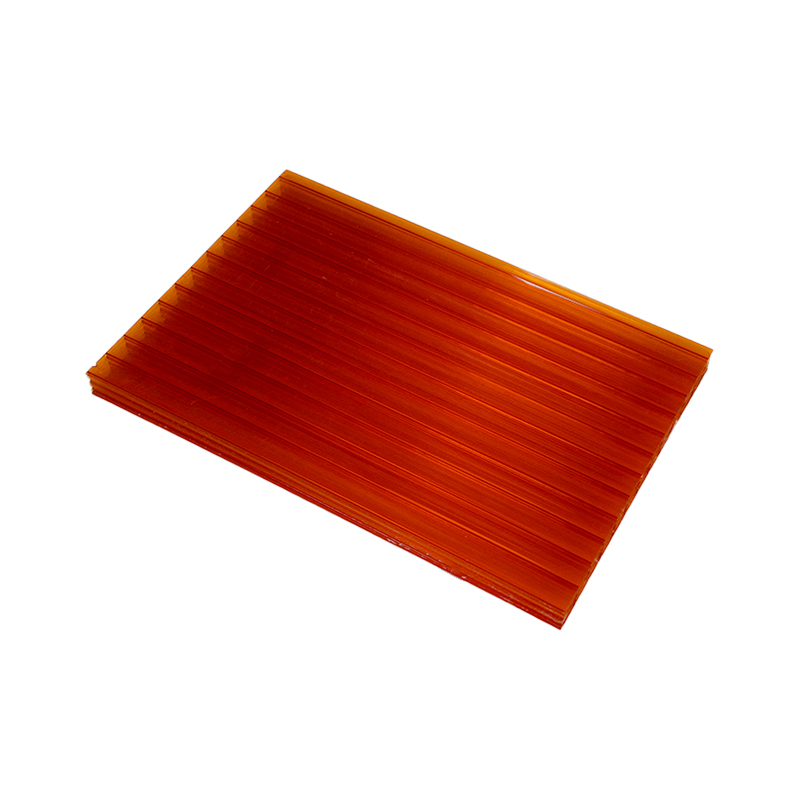
| Hollow / Multiwall | Twin, triple, or X-wall air channels | Greenhouses, skylights, roofing with thermal insulation needs | 4 mm – 25 mm |
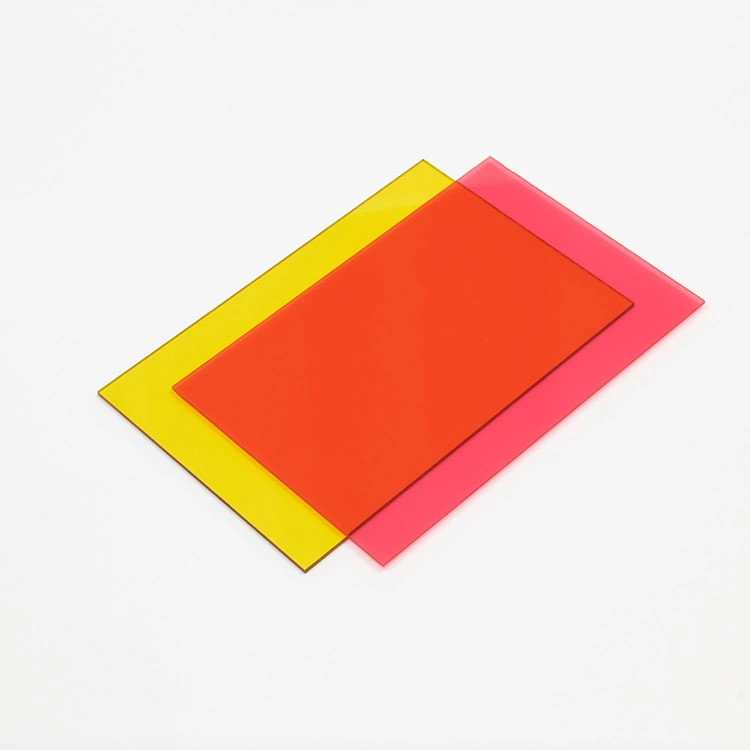
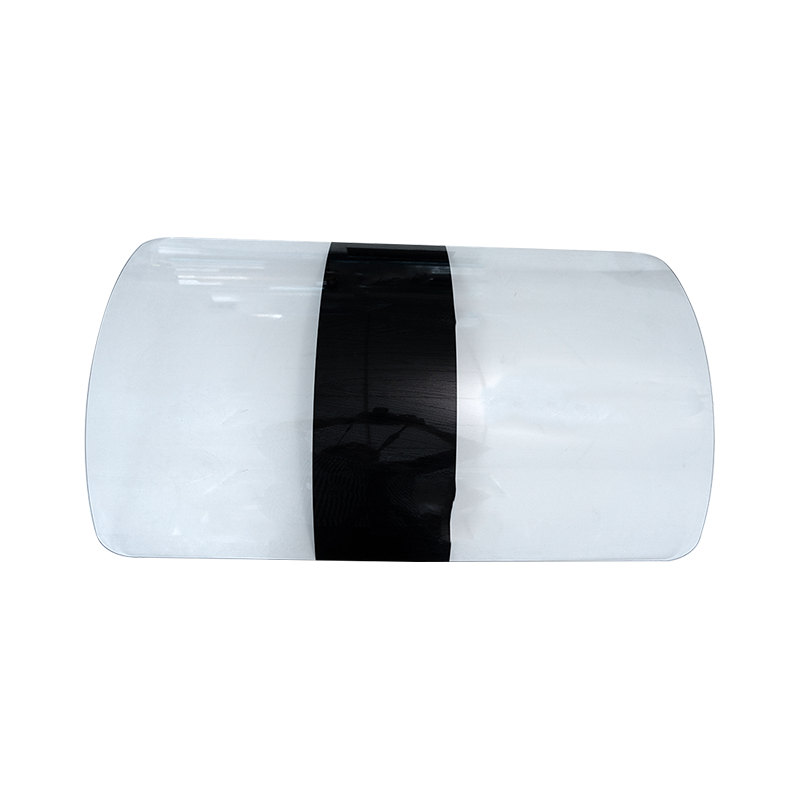
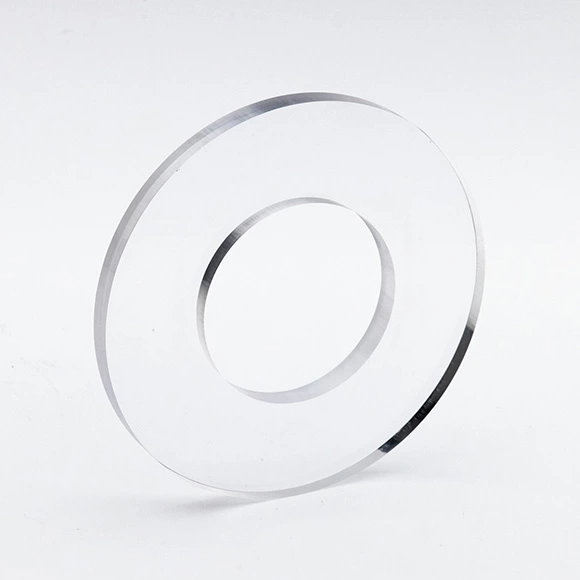
| Solid / Compact | Single-layer, glass-like | Safety glazing, machine guards, riot shields, skylights needing optical clarity | 2 mm – 12 mm |
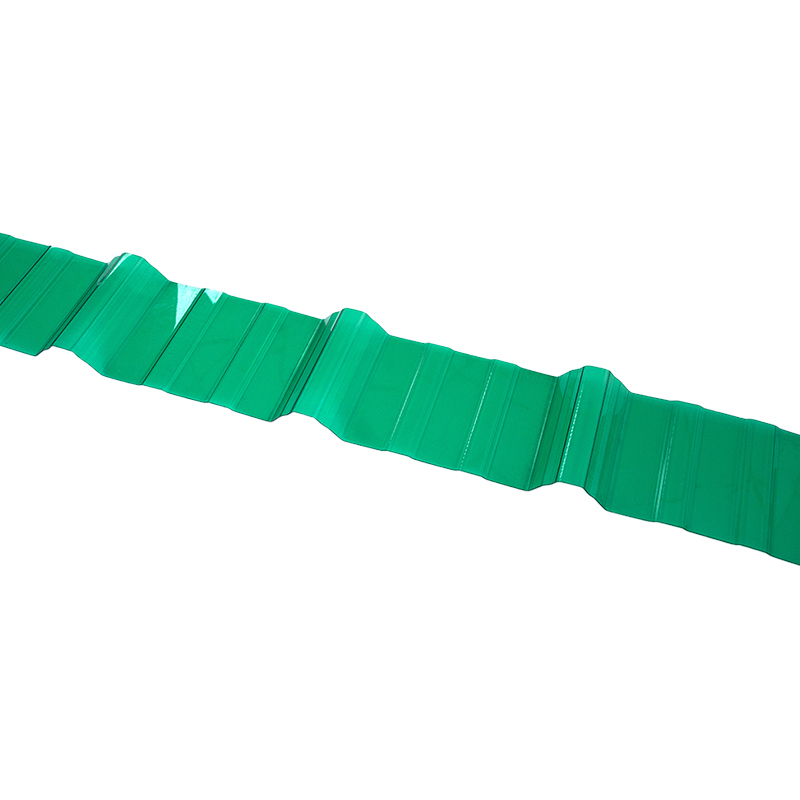
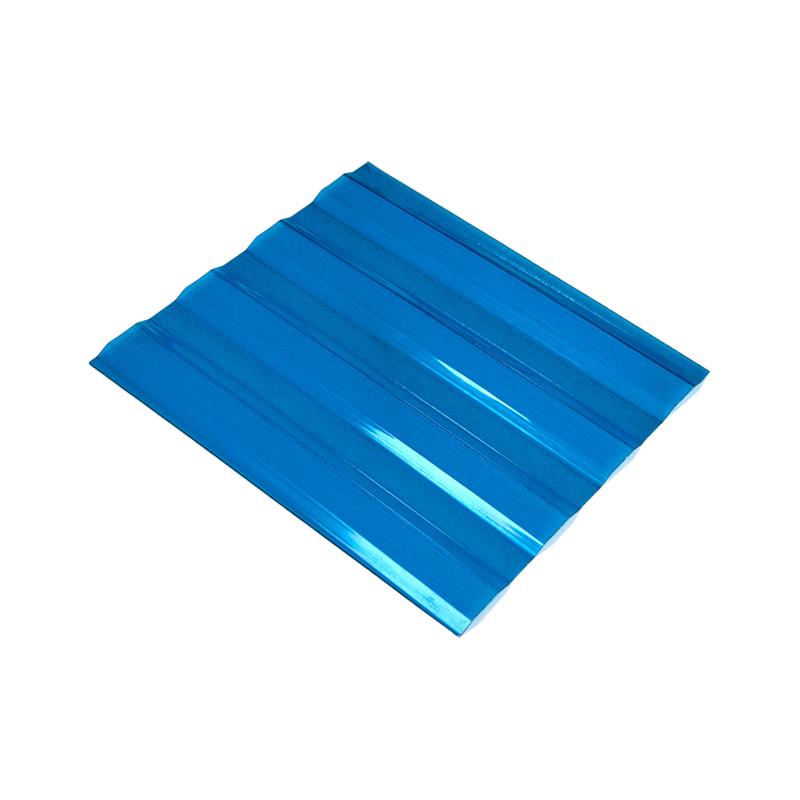
| Corrugated | Wave or ribbed profile | Agricultural sheds, carports, pergolas, side-wall cladding | 0.8 mm – 1.5 mm |
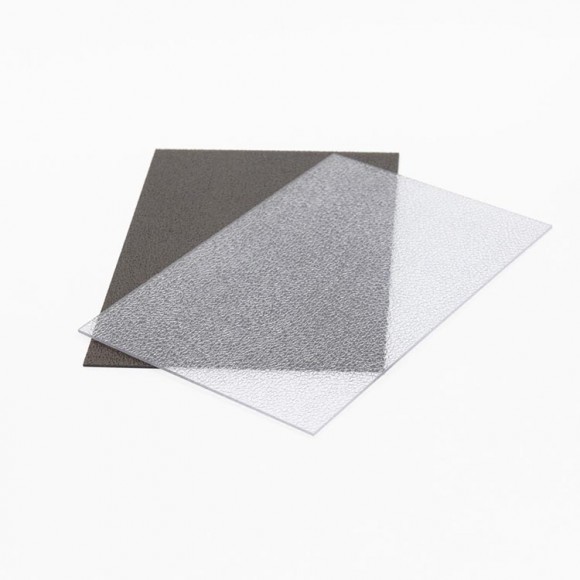
| Embossed | Textured surface pattern | Privacy partitions, decorative roofing, diffused light applications | 1 mm – 3 mm |
Hollow multiwall panels are the most purchased type because the air-channel structure adds thermal insulation without adding weight — a twin-wall 6 mm panel cuts heat transfer significantly compared to solid glass of the same span. Multiwall cellular hollow sheets with five or more walls push insulation performance further still, useful for cold-climate greenhouse roofs where heat retention matters as much as light transmission.
Key Specs to Check Before You Buy
Three numbers define whether a panel will perform in your application:
- Light transmission (%) — clear solid and hollow sheets reach 82–89%; tinted or embossed panels trade some transmission for privacy or glare control. For greenhouse use, prioritise panels above 80% to keep photosynthesis rates high.
- UV protection layer — a co-extruded UV coating (not a film) is critical for any outdoor polycarbonate panel. Without it, surface degradation starts within 2–3 years in direct sun. Look for double-sided UV coatings on exposed roofing sheets. The double-sided anti-UV corrugated panels are a practical choice for open carport or pergola structures.
- Fire rating — building codes in many markets require B1 or B2 classification. Fire-rated hollow sheets are available for commercial and public projects; confirm compliance before specifying for any enclosed structure.
Thickness matters too. For overhead glazing spanning more than 600 mm between supports, drop below 6 mm only if you have verified load tables from the manufacturer. Corrugated profiles compensate for thin material through structural ribbing, which is why 1 mm corrugated panels can span wider than 1 mm flat solid sheets.
Practical Selection Guide
Match the panel type to the job before comparing prices:
- Greenhouse or skylight → twin-wall or triple-wall hollow sheet, 6–10 mm, clear or opal tint, UV-coated both sides. Consider 100% virgin-grade greenhouse hollow sheets for maximum longevity.
- Carport or pergola roof → corrugated polycarbonate, 0.8–1.2 mm, matched to existing corrugated metal profile pitch where applicable.
- Safety barrier or machine guard → solid polycarbonate sheet, 4–12 mm; flame-retardant grades available for industrial environments.
- Interior partition or decorative panel → embossed or tinted solid sheet for diffused light and privacy without losing the open feel.
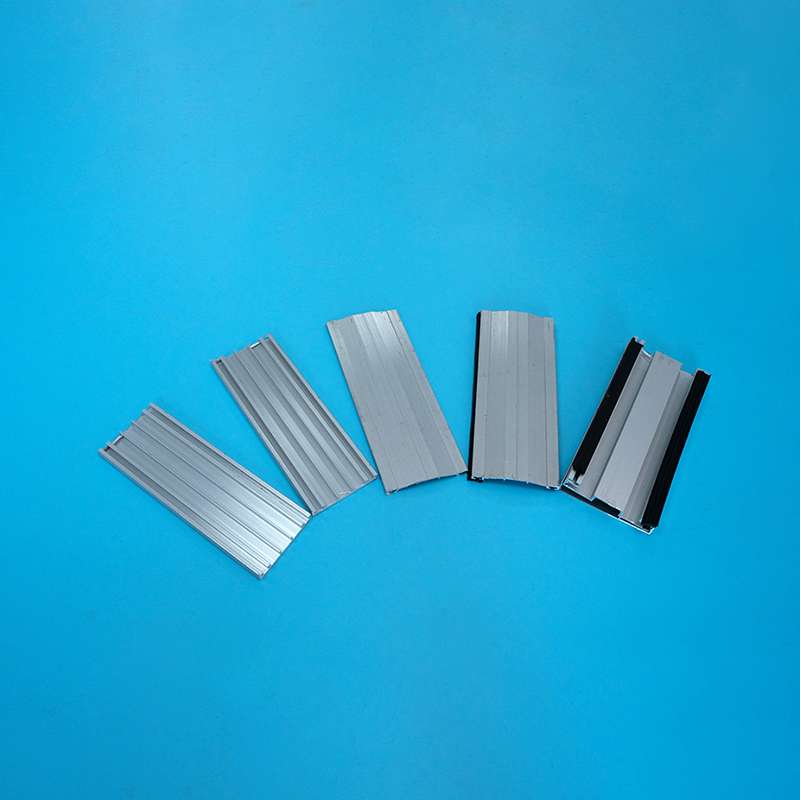
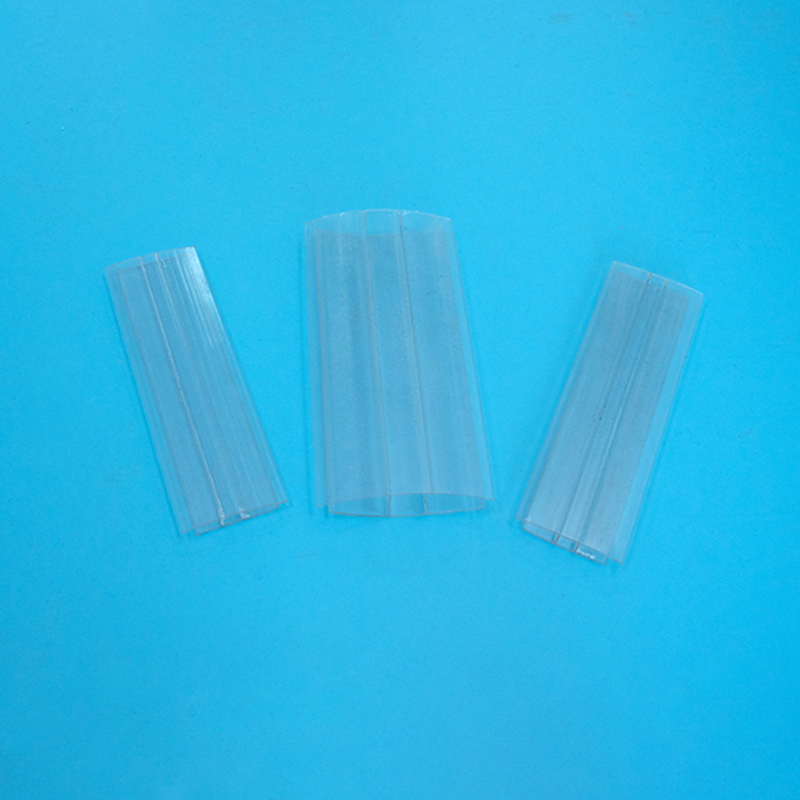
Installation accessories are as important as the panels themselves. Aluminium H-profiles and U-profiles seal panel edges, prevent moisture ingress into hollow channels, and handle thermal expansion — polycarbonate expands roughly 0.065 mm per metre per °C, so leaving no expansion gap is a common and costly installation mistake.
A Note on Sustainability
Polycarbonate is a thermoplastic, which means it can be melted and reprocessed into new products at end of life. Its 15–20 year outdoor lifespan also means fewer replacement cycles compared to cheaper single-use plastic alternatives, reducing overall material consumption per decade. Choosing UV-grade panels from the outset is not just a performance decision — it is the more sustainable one.