English
 Español


Provide you with the latest enterprise and industry news.
Content
What Are Polycarbonate Hollow Sheets?
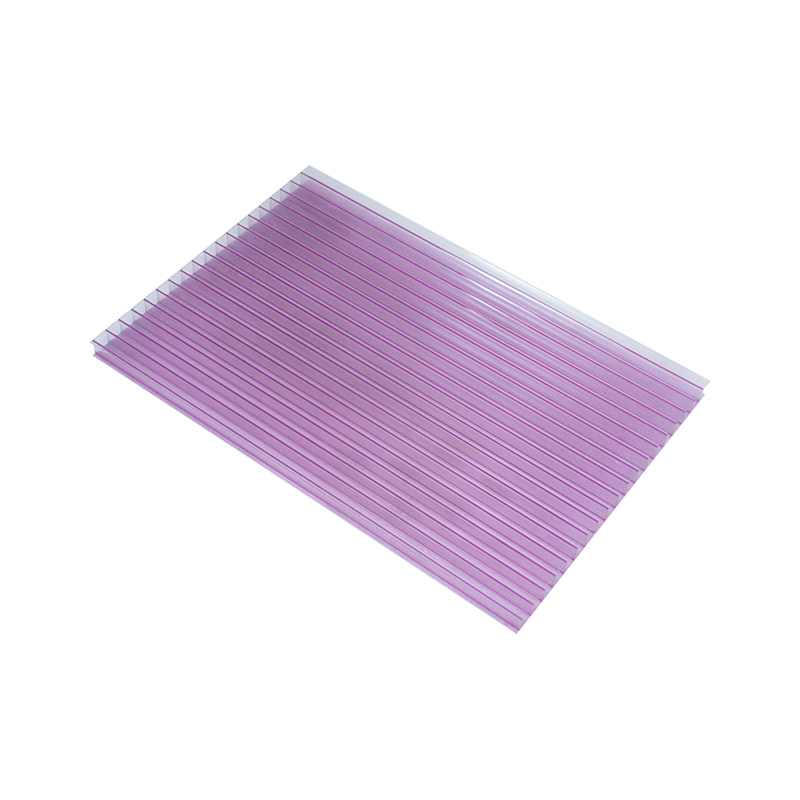
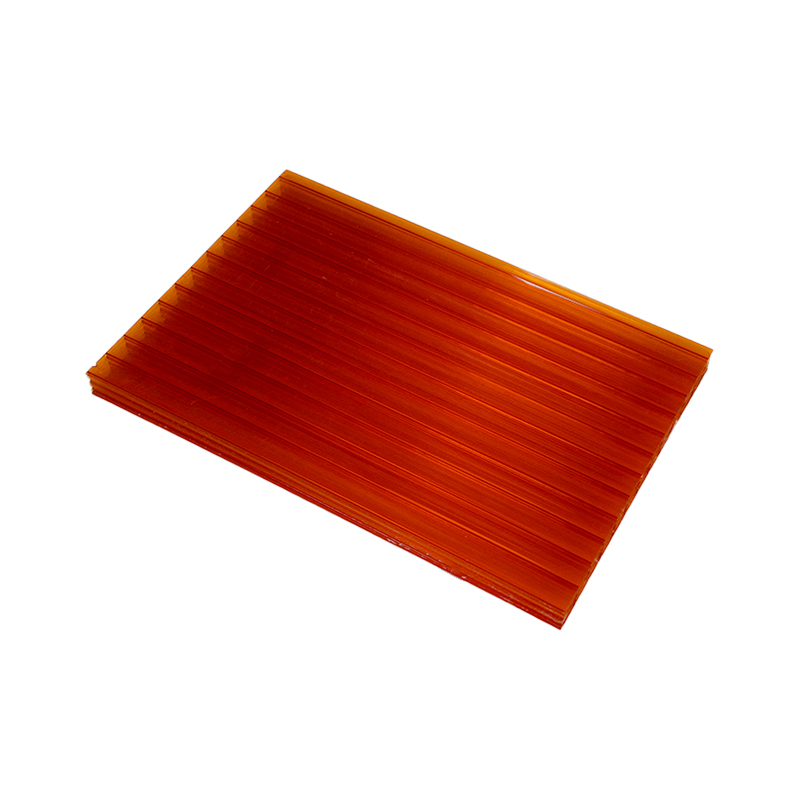
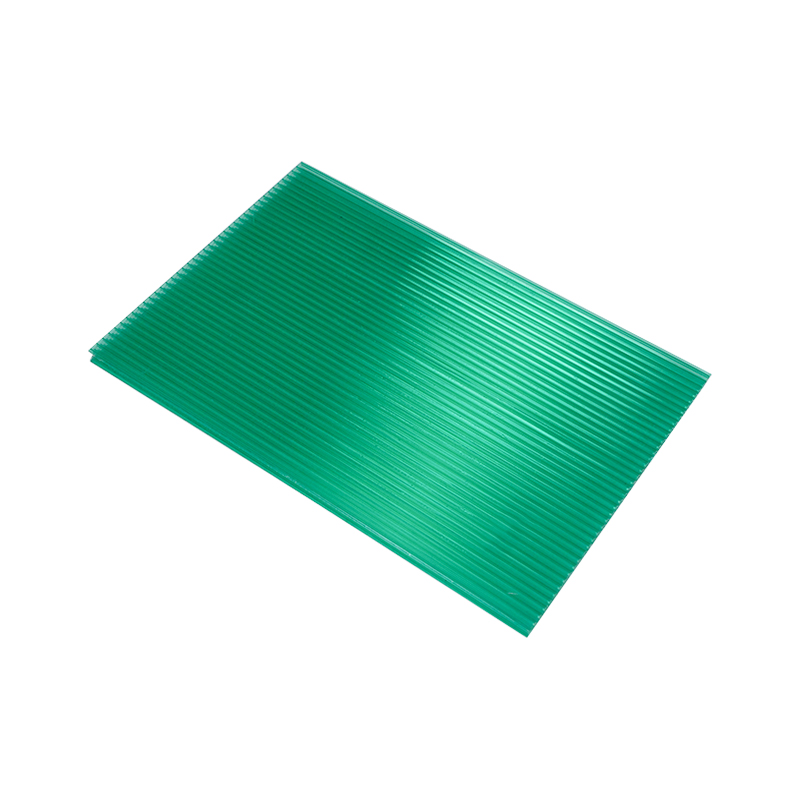
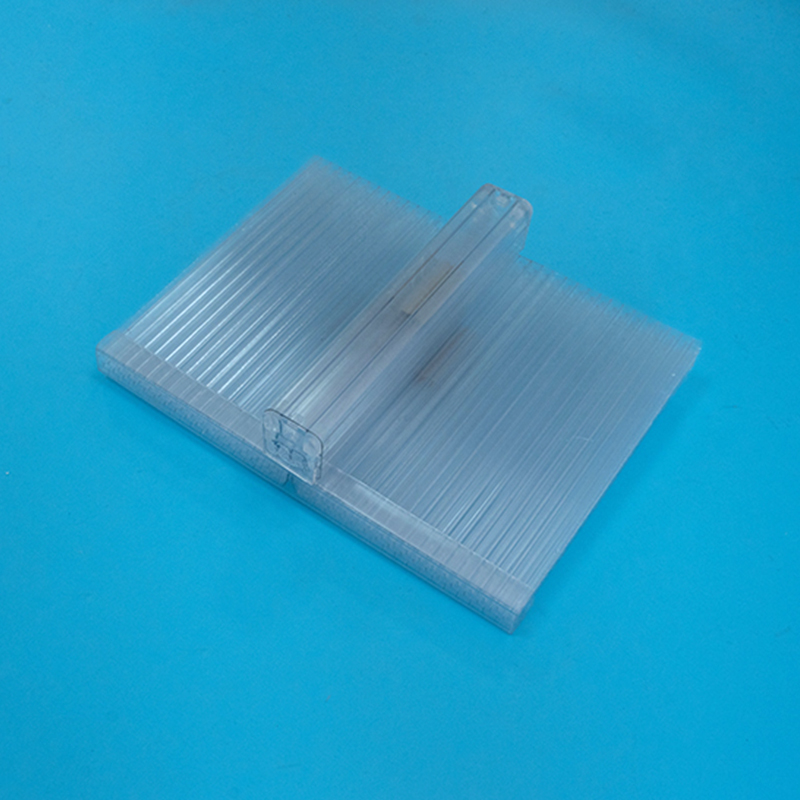
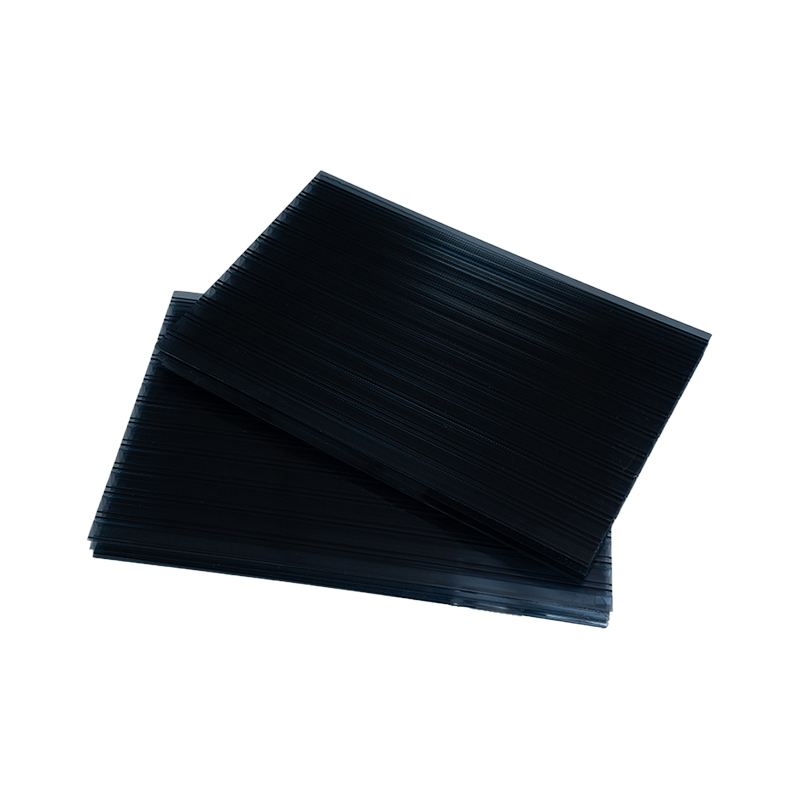
Polycarbonate hollow sheets — also called multiwall polycarbonate sheets — are rigid thermoplastic panels featuring internal channel structures running lengthwise through the material. These air-filled chambers give the sheets a distinctive lightweight profile while delivering performance that solid glazing materials often cannot match at the same weight or price point.
Unlike solid polycarbonate or glass, the hollow construction provides a built-in insulation layer. A standard twin-wall (double-layer) sheet achieves a thermal transmittance (U-value) of approximately 3.7 W/m²K, while a 10 mm triple-wall variant can reach as low as 2.9 W/m²K — making it a practical choice wherever thermal management matters.
The base resin, polycarbonate, is inherently impact-resistant — rated up to 200 times stronger than glass by impact force — and can withstand continuous operating temperatures from –40 °C to +120 °C without significant deformation.
Common Wall Configurations and How They Differ
The number of walls and the internal geometry directly determine a sheet's insulation performance, light transmission, and structural rigidity. The most widely specified configurations are:
| Configuration | Typical Thickness | Light Transmission | U-Value (approx.) | Best For |
|---|---|---|---|---|
| Twin-Wall | 4 mm – 10 mm | ~80% | 3.7 W/m²K | Greenhouses, skylights |
| Triple-Wall | 10 mm – 16 mm | ~72% | 2.9 W/m²K | Roofing, partitions |
| Five-Wall (X-structure) | 16 mm – 25 mm | ~65% | ~1.9 W/m²K | Commercial façades, cold climates |
| Honeycomb / Multi-X | 25 mm – 40 mm | ~58% | ~1.3 W/m²K | High-insulation facades |
As wall count increases, light transmission decreases slightly, but insulation performance improves significantly. For applications where both daylighting and energy efficiency are priorities — such as sports halls or commercial atriums — the triple-wall format tends to offer the most balanced trade-off.
UV Protection: Why the Coextrusion Layer Matters
Uncoated polycarbonate degrades under prolonged UV exposure, turning yellow and becoming brittle within a few years of outdoor use. Quality polycarbonate hollow sheets address this through a coextruded UV-protective layer applied directly to the outer surface during manufacturing — not a separate film or coating that can peel over time.
A properly coextruded UV layer blocks nearly all radiation below 380 nm and is typically 50 microns thick, contributing to product lifespans of 10 to 15 years in full outdoor exposure. When sourcing sheets, look for a manufacturer that clearly states the UV layer is coextruded and specifies its thickness — post-applied coatings offer substantially shorter protection windows.
The UV-protected side of the sheet is usually marked clearly; installing it face-down (away from sunlight) is one of the most common installation errors and will void most manufacturer warranties.
Key Application Areas
Polycarbonate hollow sheets are used across a remarkably wide range of sectors. Their combination of light weight, impact resistance, thermal insulation, and design flexibility makes them suitable for:
- Agricultural greenhouses and tunnels — diffused light transmission promotes even plant growth while the insulated structure reduces heating costs in cooler climates.
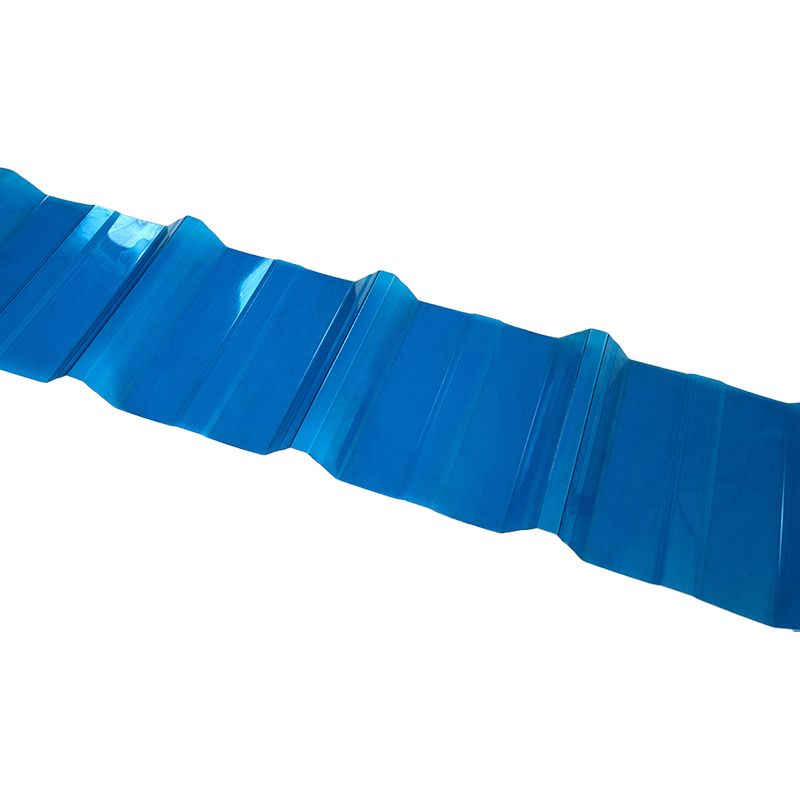
- Architectural roofing and skylights — wide-span daylighting solutions for shopping centers, airports, and covered walkways, often using curved installations that flat glass cannot achieve.
- Noise barriers — translucent highway and railway sound barriers that allow natural light through while meeting acoustic and impact-resistance standards.
- Industrial cladding and wall panels — factory roof lighting panels that replace opaque metal sheeting to reduce artificial lighting dependency during daylight hours.
- Swimming pool enclosures and sports facilities — the material's high impact rating and moisture resistance make it well-suited to environments where both safety and condensation management are concerns.
- Signage and display structures — diffused translucency creates an even backlit effect for illuminated signs and exhibition stands.
Installation and Handling Best Practices
Correct installation directly affects long-term performance. Several practices are particularly important:
Channel Orientation
For sloped roofing and vertical wall applications, the internal channels must run vertically or along the slope — never horizontally. This ensures any condensation that forms inside the channels can drain freely rather than accumulating and promoting algae or degrading the sheet over time.
Edge Sealing
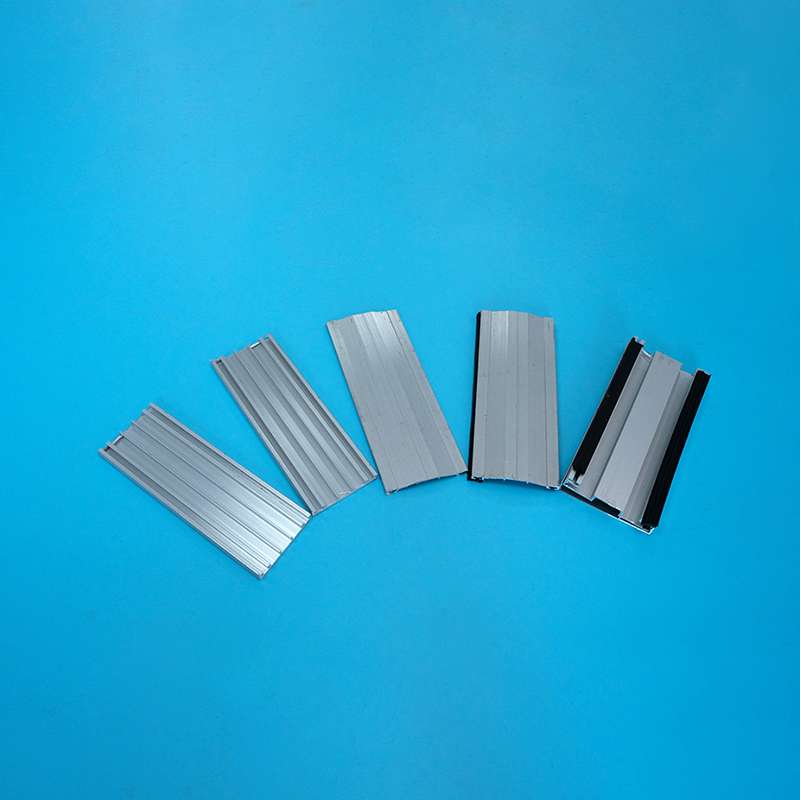
Cut edges must be sealed with aluminium tape at the top edge (to prevent water ingress) and vented tape at the bottom edge (to allow condensation drainage while blocking insects). Leaving edges open is the leading cause of premature sheet contamination in the field.
Thermal Expansion Allowance
Polycarbonate expands and contracts significantly with temperature — approximately 2.5 mm per metre of sheet length across a 50 °C temperature range. Fixing systems and profiles must accommodate this movement; over-clamping sheets can lead to stress cracking within the first season of use.
Minimum Bending Radius
Hollow sheets can be cold-bent on site, but the minimum bending radius is typically 175× the sheet thickness. Tighter curves require thermoforming under controlled factory conditions. Attempting to exceed the cold-bend limit results in internal wall collapse and loss of structural integrity.
Selecting the Right Sheet: A Practical Checklist
With multiple thicknesses, wall counts, tints, and surface finishes available, choosing the correct specification comes down to four core questions:
- What load will the sheet carry? Snow load, wind pressure, and point loads from maintenance access all determine the minimum thickness and wall count required. Most manufacturers publish span/load tables; consulting these before specifying prevents under-engineering.
- How much light transmission is needed? Clear sheets transmit around 80%; opal (milky white) diffuses light to roughly 40–60% transmission. Bronze and grey tints reduce solar heat gain in warm climates.
- What is the ambient temperature range? Projects in climates with wide daily or seasonal swings benefit from thicker multiwall options and require larger expansion gaps in the fixing detail.
- Does the project require fire certification? Standard polycarbonate hollow sheets carry a Class B (B1) fire rating in most markets; fire-retardant grades are available that meet stricter specifications for public buildings and transport infrastructure.
Matching the specification to these four factors from the outset — rather than defaulting to the thinnest or cheapest option — is what separates installations that perform well for a decade or more from those that require early replacement.