English
 Español


Provide you with the latest enterprise and industry news.
Content
Sustainable construction demands materials that perform without compromise. Corrugated polycarbonate has emerged as the clear frontrunner—offering 250 times the impact strength of glass at a fraction of the weight, while meeting the recyclability and energy-efficiency benchmarks that green building standards require.
The Core Problem with Traditional Glass
Glass has dominated building envelopes for centuries, but its liabilities are increasingly hard to justify. It is heavy, brittle, and energy-intensive to manufacture and transport. In roofing and cladding applications, a single hail storm or strong impact can shatter a glass panel entirely—triggering costly replacement cycles that contradict any sustainability claim. The structural load glass imposes also forces over-engineered support systems, adding material waste and cost at every stage.
Why Corrugated Polycarbonate Wins on Durability
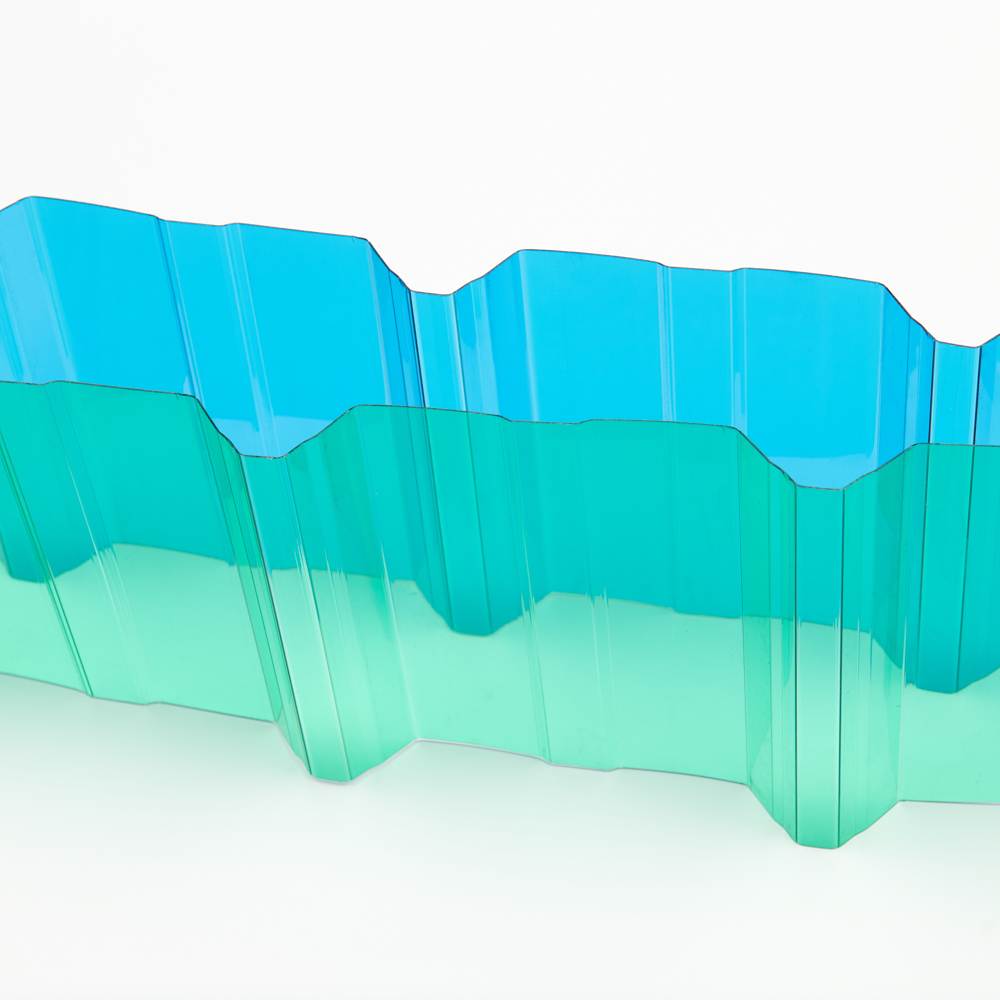
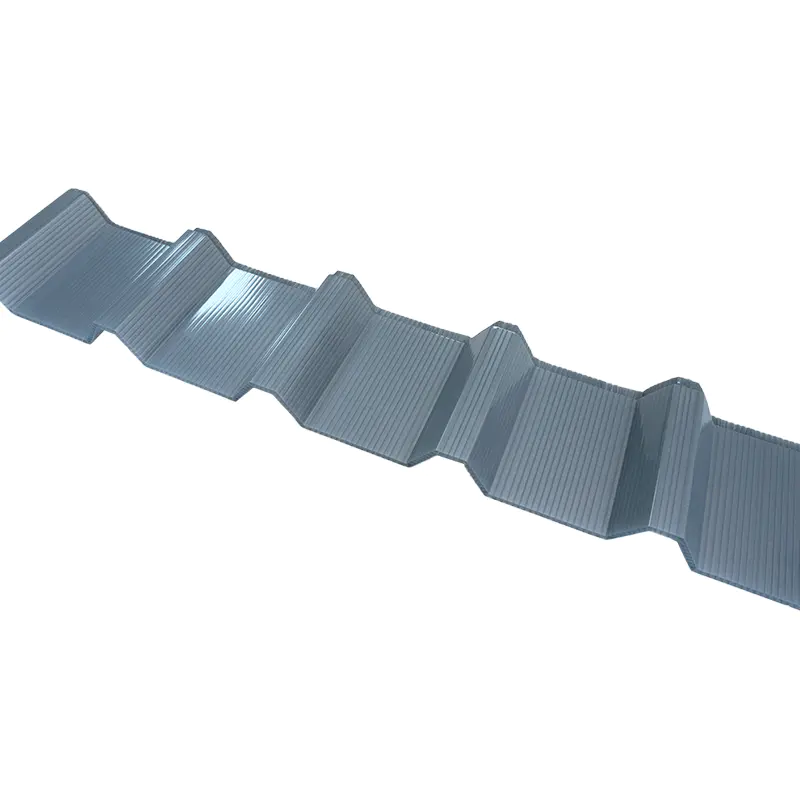
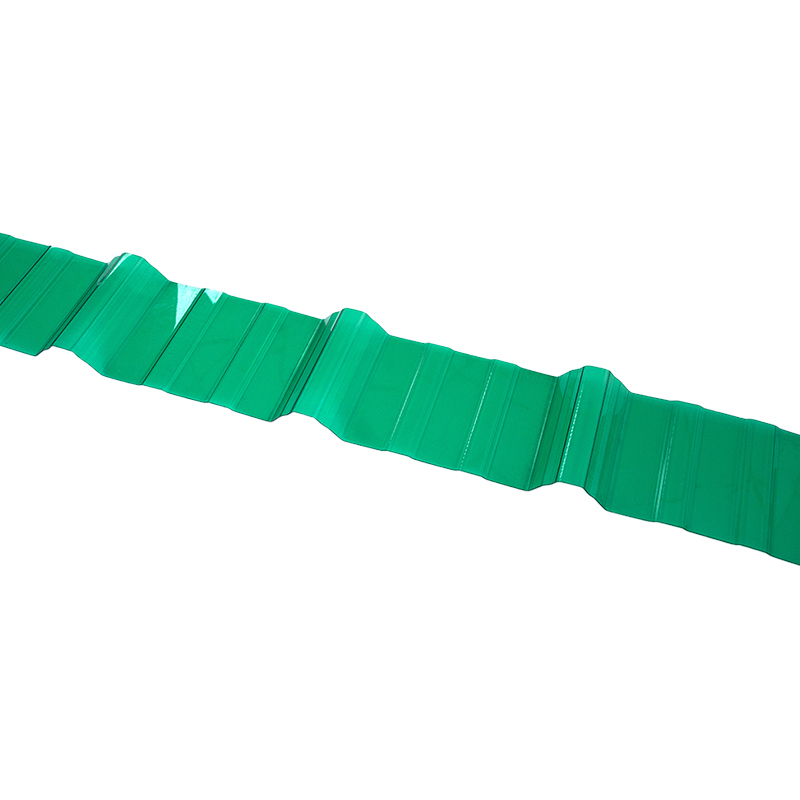
Our corrugated polycarbonate sheets are engineered to withstand hail, heavy snow loads, and high winds without cracking or deforming. The corrugated profile adds structural rigidity while keeping panel weight well below that of equivalent glass. Because the material is virtually unbreakable under real-world conditions, replacement frequency drops dramatically—extending the service life of the building envelope and reducing long-term material consumption.
A co-extruded UV-resistant coating on the outer surface prevents yellowing and maintains optical clarity over decades of outdoor exposure, eliminating the degradation that shortens the useful life of lesser plastic alternatives.
Energy Efficiency: Where Polycarbonate Outperforms Glass
Thermal performance is a decisive factor in sustainable design. Corrugated polycarbonate transmits natural daylight at levels comparable to glass while offering superior insulation—reducing heat gain in summer and heat loss in winter. Buildings that maximise daylighting through polycarbonate panels can significantly cut artificial lighting demand during daylight hours, directly lowering operational energy consumption and carbon output.
For applications where thermal insulation is the primary goal, polycarbonate hollow sheets with multiple air-gap layers push thermal resistance even further, making them the preferred choice for climate-controlled greenhouses and commercial skylights.
The Sustainability Credentials
Corrugated polycarbonate scores well across the full material lifecycle:
- Lightweight transport: Polycarbonate panels weigh far less than glass, cutting transportation fuel consumption and reducing structural load—which in turn lowers the amount of steel and concrete needed in supporting frameworks.
- Recyclability: Polycarbonate is fully recyclable and can be reprocessed into new products at end of life, supporting circular economy principles in the construction supply chain.
- Longevity: A longer service life means fewer replacement cycles and less construction waste entering the waste stream over a building's lifetime.
- Reduced installation impact: Light panels require less heavy lifting equipment on site and can be handled and cut with standard tools, reducing the energy and labour footprint of the installation process.
Design Flexibility Without Sacrificing Green Goals
One practical barrier to sustainable material adoption is design constraint. Architects often resist material substitutions that limit form. Corrugated polycarbonate removes that barrier. Panels can be curved, trimmed, and adapted to a wide range of roof pitches and façade angles without losing structural integrity. For projects that require a textured or diffused-light aesthetic, embossed corrugated sheets deliver visual variety alongside the same performance and recyclability credentials.
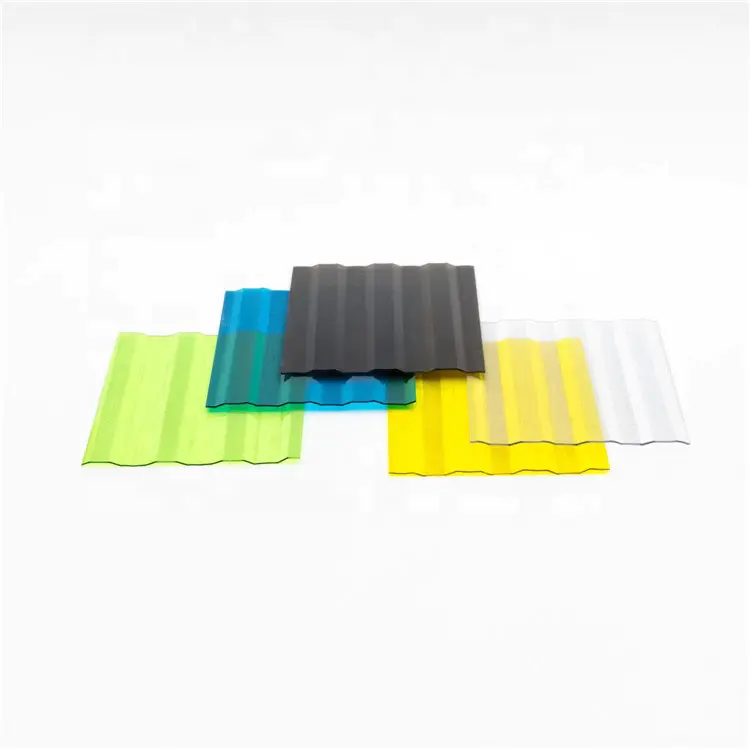
Available in clear, bronze, opal, and tinted finishes, these panels allow architects and builders to meet both aesthetic briefs and green building targets simultaneously.
Applications Driving the Shift Away from Glass
| Application | Key Advantage Over Glass |
|---|---|
| Greenhouse roofing | Diffused light transmission, hail resistance, lower structural load |
| Commercial skylights | Thermal insulation, safety (no shatter risk), lighter framework |
| Carport and pergola covers | Impact resistance, UV protection, fast installation |
| Industrial roofing | Durability under dynamic loads, recyclability, low maintenance |
| Sustainable façades | Design flexibility, lightweight cladding, long service life |
Making the Switch
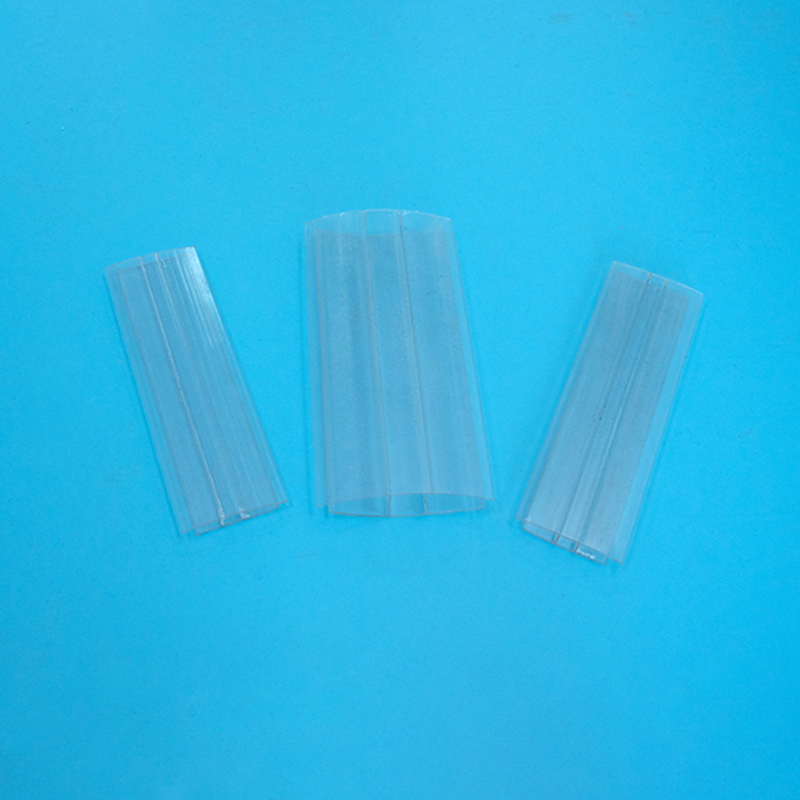
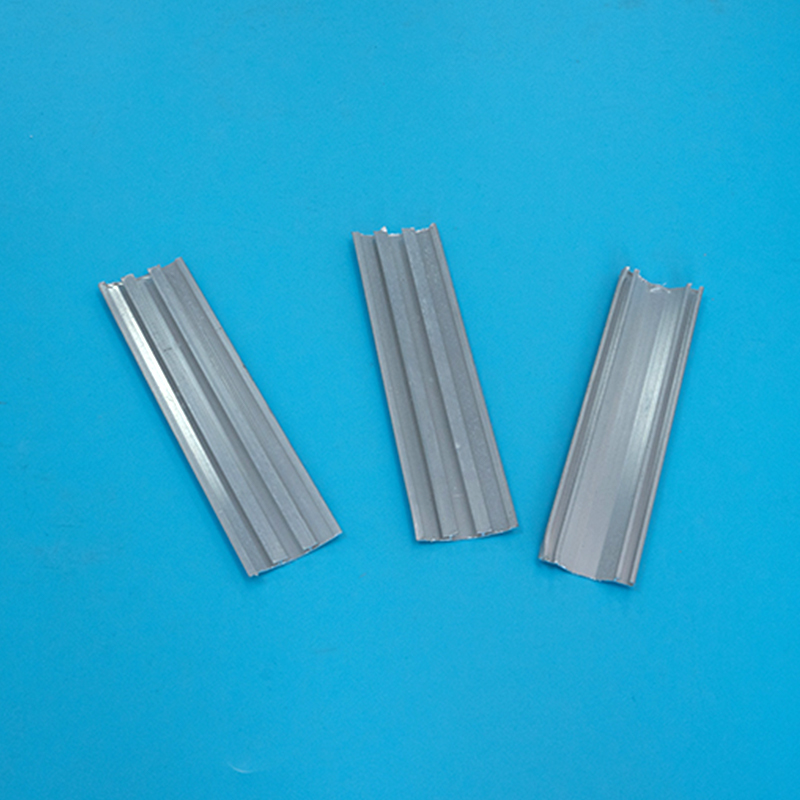
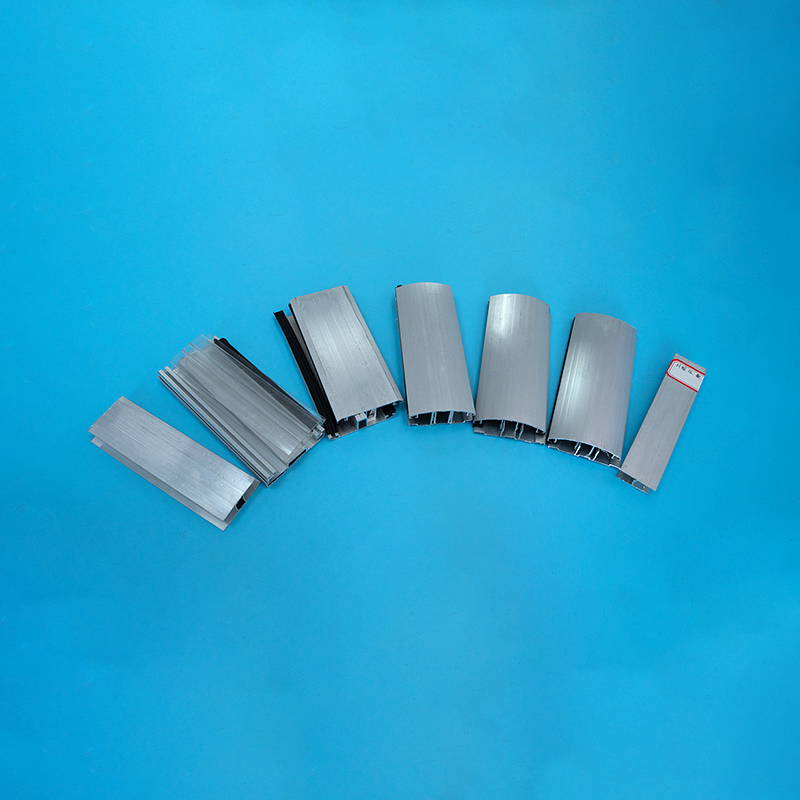
The transition from glass to corrugated polycarbonate is straightforward. Panels install with standard tools and no specialist glazing equipment, and compatible aluminium profiles and fixing accessories make system integration clean and weathertight. For projects requiring full system components, our full product range covers everything from corrugated and hollow sheets to mounting accessories and custom-processed panels.
For sustainable construction teams working to reduce embodied carbon, lower operational energy costs, and extend material lifespans, corrugated polycarbonate is not a compromise—it is the upgrade.