English
 Español


Provide you with the latest enterprise and industry news.
Content
Understanding PVC Sheet Material
PVC sheet is a flat plastic material made from polyvinyl chloride polymer, manufactured through extrusion or calendaring processes. This versatile thermoplastic material comes in various thicknesses, colors, and grades, serving industries from construction to signage. PVC sheets are valued for their durability, chemical resistance, and cost-effectiveness, making them one of the most widely used plastic materials globally.
The material consists of approximately 57% chlorine derived from salt and 43% carbon from petroleum or natural gas, creating a lightweight yet robust plastic that can be rigid or flexible depending on the additives used during manufacturing. Standard PVC sheets typically range from 1mm to 25mm in thickness, with custom specifications available for specialized applications.
Types of PVC Sheets
Rigid PVC Sheets
Rigid PVC, also known as uPVC or PVC-U (unplasticized), contains no plasticizers and maintains a hard, inflexible structure. These sheets are commonly used in construction, exhibiting excellent tensile strength of approximately 50-60 MPa and superior dimensional stability. They withstand temperatures from -10°C to 60°C without significant deformation.
Flexible PVC Sheets
Flexible PVC sheets incorporate plasticizers, typically comprising 20-40% of the total composition, creating a pliable material suitable for curtains, protective covers, and gaskets. These sheets can bend without breaking and are available in clear, colored, or tinted variations with thickness options from 0.5mm to 5mm.
Expanded PVC Foam Sheets
Expanded or foam PVC sheets feature a cellular structure that reduces weight while maintaining rigidity. With densities ranging from 0.5 to 0.8 g/cm³ compared to solid PVC's 1.4 g/cm³, these sheets are ideal for signage, display boards, and lightweight construction applications.
Common Applications and Uses
PVC sheets serve diverse industries due to their adaptable properties:
- Construction and Building: Wall cladding, roofing membranes, window profiles, and interior partitions account for approximately 60% of PVC sheet consumption globally
- Signage and Graphics: Outdoor signs, billboards, point-of-sale displays, and vehicle wraps utilize foam PVC sheets for their lightweight and weather-resistant properties
- Industrial Applications: Chemical tank linings, protective equipment, and conveyor components benefit from PVC's chemical resistance to acids, alkalis, and oils
- Medical and Hygiene: Hospital wall protection, cleanroom panels, and sterile packaging rely on PVC's non-porous, easy-to-clean surface
- Agriculture: Greenhouse panels, animal housing dividers, and hydroponic systems use translucent or opaque PVC sheets for durability and UV resistance
Key Properties and Characteristics
| Property | Value/Rating | Practical Benefit |
|---|---|---|
| Density | 1.35-1.45 g/cm³ | Lightweight yet sturdy |
| Tensile Strength | 50-60 MPa | High structural integrity |
| Water Absorption | 0.04-0.4% | Excellent moisture resistance |
| Flame Resistance | Self-extinguishing | Enhanced fire safety |
| Chemical Resistance | Excellent | Withstands acids and alkalis |
| Service Life | 15-30+ years | Long-term durability |
Advantages of Using PVC Sheets
PVC sheets offer compelling benefits compared to alternative materials:
Cost-effectiveness stands as a primary advantage, with PVC sheets typically costing 30-50% less than acrylic or polycarbonate alternatives while delivering comparable performance for many applications. The material's affordability extends throughout its lifecycle due to minimal maintenance requirements.
Weather resistance enables outdoor use without degradation. UV-stabilized PVC sheets maintain their structural integrity and appearance for decades, resisting yellowing, cracking, and brittleness that affect lesser materials. Testing shows properly stabilized PVC retains 90% of its mechanical properties after 10 years of outdoor exposure.
Easy fabrication and installation reduce labor costs significantly. PVC sheets can be cut with standard woodworking tools, heat-formed, welded, and bonded using solvent cements or adhesives. This workability allows on-site modifications without specialized equipment.
Hygienic properties make PVC sheets ideal for food processing, healthcare, and cleanroom environments. The non-porous surface prevents bacterial growth and allows thorough sanitization with common disinfectants. Many PVC formulations meet FDA and EU food-contact regulations.
How to Choose the Right PVC Sheet
Selecting appropriate PVC sheets requires evaluating several critical factors:
Thickness Selection
Choose thickness based on structural requirements and application. 1-3mm sheets suit protective covers and light-duty applications, 4-10mm sheets work for general construction and signage, while 12-25mm sheets provide maximum strength for load-bearing or high-impact environments.
Color and Finish Options
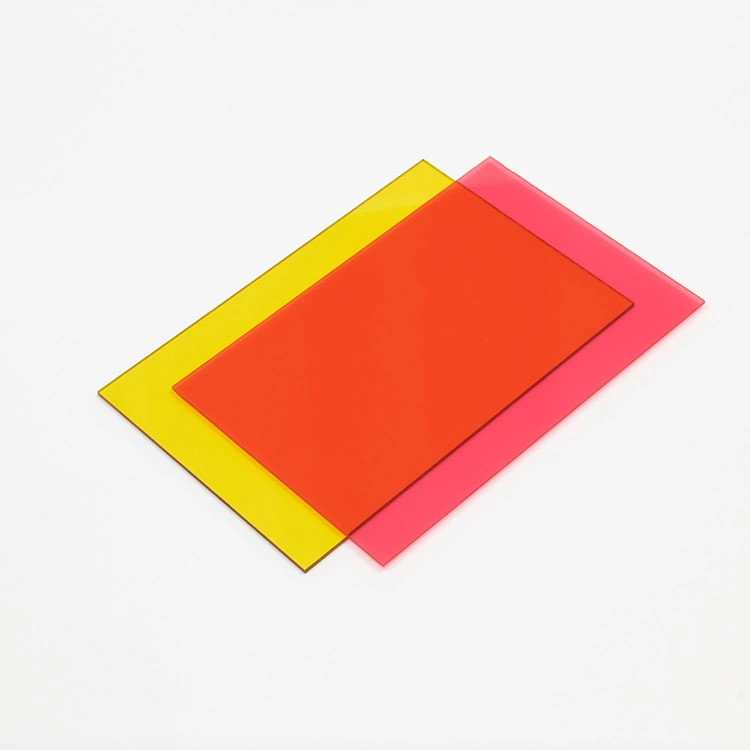
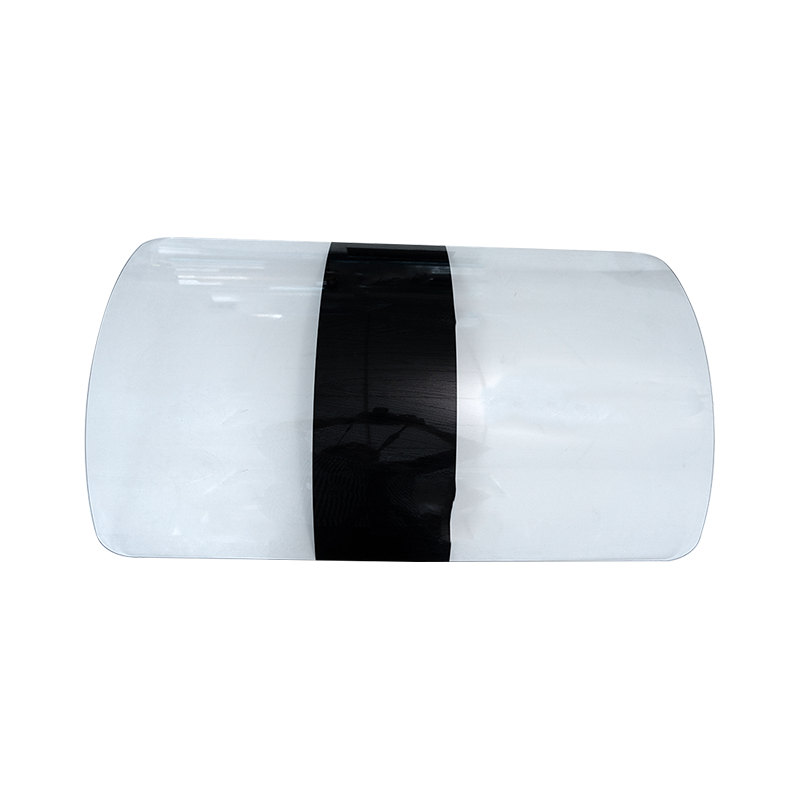
PVC sheets are available in clear, white, gray, and custom colors. Clear sheets offer 80-90% light transmission for glazing applications, while opaque colors provide privacy and aesthetic appeal. Finishes range from glossy to matte, with textured surfaces available for anti-slip or decorative purposes.
Grade and Certification
Verify that sheets meet relevant standards: ASTM D1784 for rigid PVC, UL94 for flame rating, and NSF-61 for potable water contact. Food-grade applications require FDA-compliant formulations, while outdoor use demands UV-stabilized grades with minimum 2000-hour QUV weathering certification.
Environmental Conditions
Consider operating temperature ranges, chemical exposure, and mechanical stress. Standard PVC performs optimally between -10°C and 60°C, with specialized formulations extending this range. For chemical environments, consult compatibility charts to ensure resistance to specific substances.
Installation and Maintenance Tips
Proper installation maximizes PVC sheet performance and longevity:
- Acclimatization: Store sheets flat in the installation environment for 24-48 hours to stabilize dimensions and prevent warping
- Cutting: Use fine-toothed saws, scoring knives, or routers at moderate speeds to prevent melting or chipping edges
- Fastening: Allow for thermal expansion by oversizing holes by 2-3mm and using appropriate washers to distribute loads
- Cleaning: Wash with mild detergent and water; avoid abrasive cleaners or solvents that may damage the surface
- Inspection: Check annually for signs of UV degradation, chemical attack, or mechanical damage, particularly in outdoor installations
Regular maintenance requires minimal effort—periodic cleaning maintains appearance and prevents dirt accumulation that could scratch surfaces. For industrial applications, establish a cleaning schedule based on contamination levels, typically ranging from weekly to monthly intervals.
Comparing PVC Sheets with Alternative Materials
| Material | Cost | Durability | Weight | Best For |
|---|---|---|---|---|
| PVC Sheet | Low | 15-30 years | Medium | General construction, chemical resistance |
| Acrylic Sheet | Medium-High | 10-20 years | Light | Optical clarity, displays |
| Polycarbonate | High | 10-25 years | Light | Impact resistance, security |
| Fiberglass | Medium | 20-30 years | Light-Medium | Corrosive environments, roofing |
While acrylic offers superior optical clarity with 92% light transmission versus PVC's 85%, PVC provides better chemical resistance and lower costs. Polycarbonate excels in impact resistance—approximately 250 times stronger than glass—but PVC matches or exceeds it in most construction applications at half the price.