English
 Español


Provide you with the latest enterprise and industry news.
Content
- 1 Introduction to Corrugated Polycarbonate Sheets
- 2 Understanding Material Properties and Selection
- 3 Combining Corrugated Polycarbonate Sheets with Structural Frames
- 4 Installation Techniques for Corrugated Polycarbonate Sheets
- 5 Compatibility with Other Materials
- 6 Maintenance and Longevity Strategies
- 7 Comparison of Corrugated Polycarbonate Sheet Types
- 8 Conclusion
Introduction to Corrugated Polycarbonate Sheets
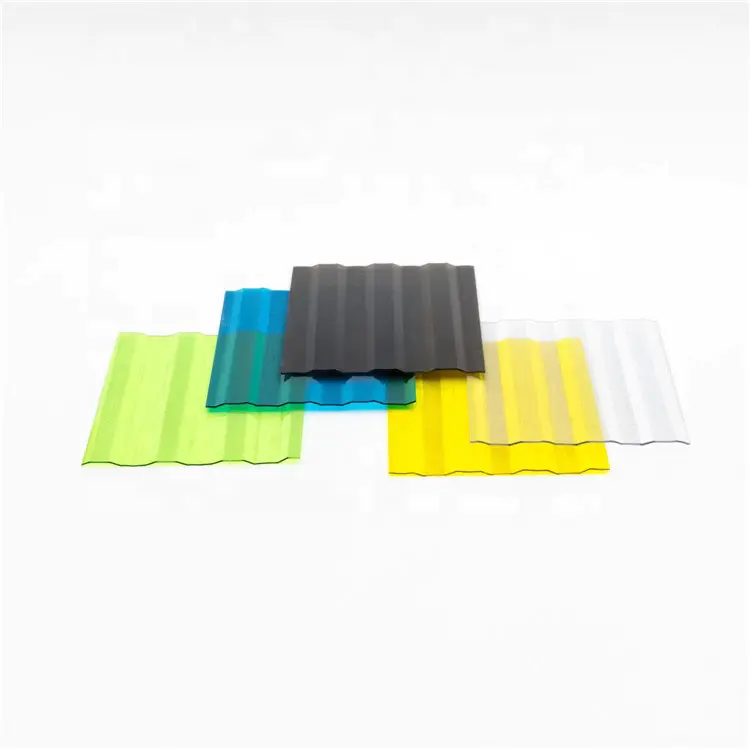
Corrugated polycarbonate sheets are durable, lightweight plastic panels used extensively in construction, agricultural, and DIY applications. Known for their impact resistance and high light transmission, these sheets offer a versatile alternative to traditional materials like glass and metal roofing. This article focuses on practical, hands-on guidance for combining corrugated polycarbonate sheets with other materials, choosing the right profiles, and ensuring long-term performance in real-world projects.
Understanding Material Properties and Selection
Before deciding how to combine corrugated polycarbonate sheets with other construction materials, it’s essential to understand the fundamental properties that make them desirable:
Mechanical Strength and Durability
Corrugated polycarbonate sheets are known for excellent impact resistance—up to 250 times stronger than glass. They resist cracking, hail damage, and accidental impacts, making them suitable for roofs, wall cladding, and protective barriers.
Thermal Performance and UV Resistance
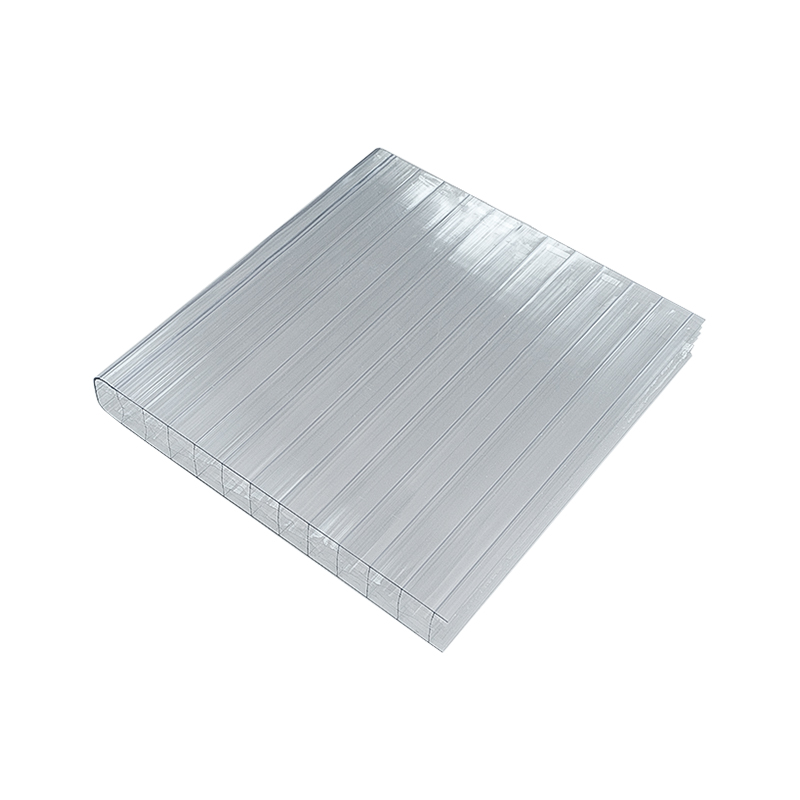
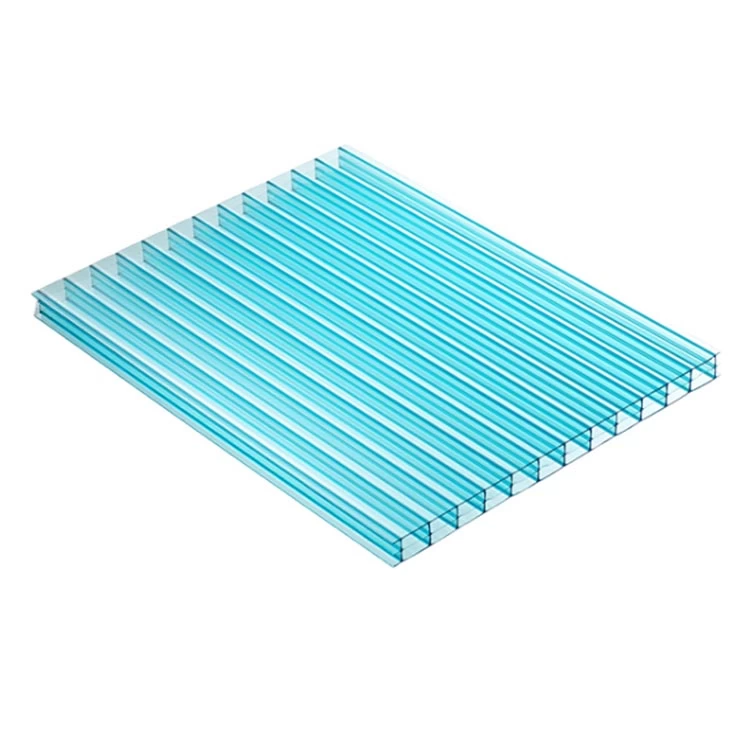
Most corrugated polycarbonate panels include a UV protective layer that prevents yellowing and degradation from sunlight exposure. Thermal insulation varies with thickness and cell structure; multiwall options provide better insulation than single-layer corrugated sheets.
Light Transmission and Aesthetics
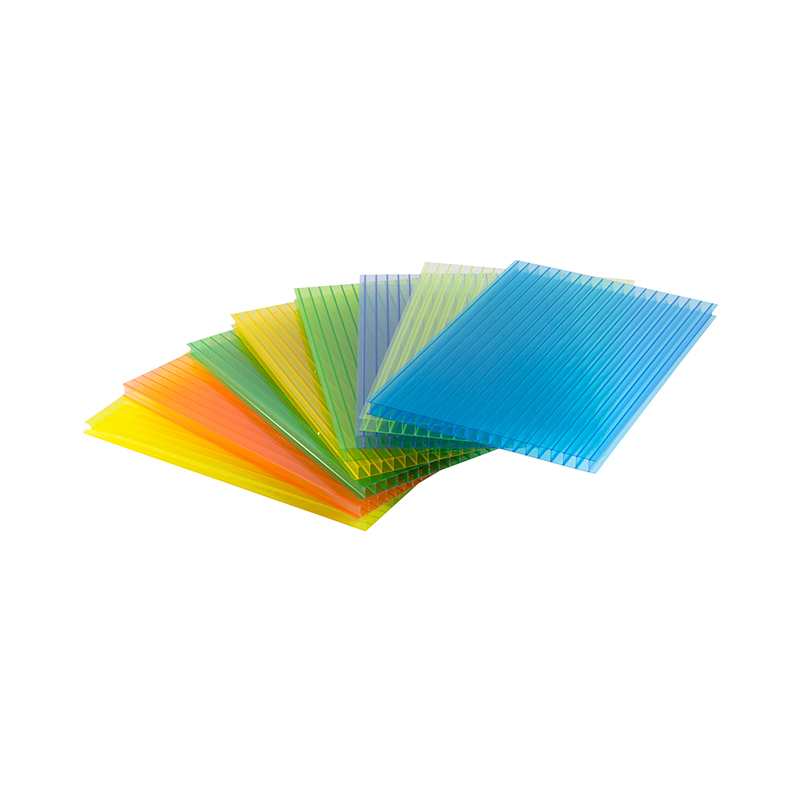
These sheets can transmit up to 90% of visible light, making them ideal for daylighting applications. They come in various tints—clear, bronze, opal—allowing control over glare and heat gain without compromising natural light.
Combining Corrugated Polycarbonate Sheets with Structural Frames
A common use for corrugated polycarbonate sheets is as roofing or siding in structures where they must be integrated with supporting frames. Proper framing ensures panels are secure, weather-tight, and perform as expected under loads.
Metal Frames: Aluminum and Steel
Metal framing—especially galvanized steel and aluminum—is widely used with corrugated polycarbonate roofing panels due to its strength and durability. When combining with metal frames:
- Ensure frame spacing matches the corrugation pitch to support panels evenly.
- Use compatible fasteners (e.g., neoprene-washered screws) to create a watertight seal.
- Apply corrosion-resistant coatings to prevent oxidation where metal meets plastic.
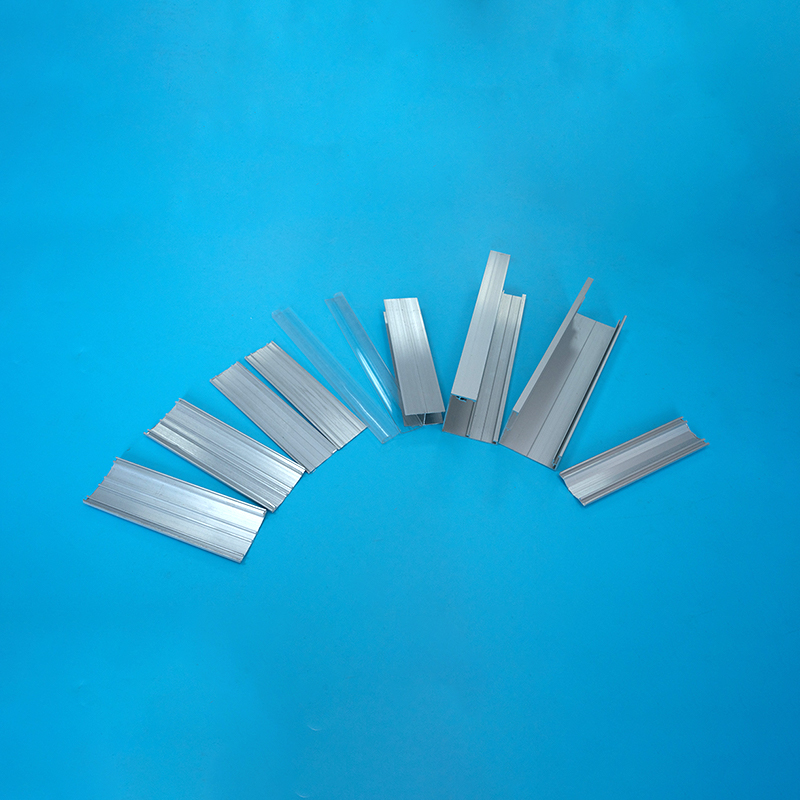
Metal frames also allow easy integration of accessories like ridge caps and trim pieces, which are critical for weatherproofing roof intersections.
Wooden Frames: Decks, Pergolas, and Sheds
Wood framing is popular in residential projects due to ease of modification and cost-effectiveness. When using corrugated polycarbonate sheets with wood:
- Select pressure-treated or rot-resistant lumber to prevent decay at moisture-prone junctions.
- Pre-drill holes to reduce stress on polycarbonate during screw installation.
- Seal around fasteners with flexible washers to accommodate wood movement from humidity changes.
Using wooden rafters and purlins supports corrugated polycarbonate panels effectively in structures such as patio covers and garden sheds.
Installation Techniques for Corrugated Polycarbonate Sheets
Correct installation is key to maximizing performance and lifespan. Here we discuss detailed, practical installation steps and best practices.
Measuring and Cutting Panels
Accurate measurement prevents wasted material and ensures a snug fit. For cutting:
- Use a fine-tooth saw blade (circular or jigsaw) to minimize chipping and cracking.
- Support panels fully during cutting to prevent vibration-related damage.
- Wear safety gear—goggles and gloves—to protect against plastic shards.
Mark cut lines with a soft pencil or tape to avoid scratches that are hard to remove later.
Alignment and Fastening
Proper alignment ensures panels shed water correctly and avoid gaps that cause leaks. Follow these steps:
- Start at the lowest point of the roof and work upwards to allow overlaps to direct water downward.
- Maintain consistent overlap—typically one corrugation—for adjacent sheets.
- Use neoprene-washered screws in the corrugation crest to ensure water-tight joints.
Fasteners should not be overtightened; compressing the sheet can restrict thermal expansion and lead to buckling.
Sealing and Weatherproofing
Maintaining a weatherproof enclosure requires attention to sealing details:
- Apply closure strips at eaves and ridges to prevent bird or insect entry.
- Use flexible silicone sealant at wall transitions or penetrations.
- Install ridge caps with sealed overlaps to cover panel joints.
Proper flashing around chimneys, vents, or skylights is critical for long-term leak prevention.
Compatibility with Other Materials
Corrugated polycarbonate sheets can be combined with various building materials. Understanding compatibility helps prevent failure points and extends service life.
Metal Roof Integration
When combining corrugated polycarbonate sheets with metal roofing (e.g., steel or aluminum panels), ensure similar profiles or adapters are used to align corrugation patterns. Mismatched profiles can create stress points and leaks. Use rubber gaskets under metal screws adjacent to polycarbonate edges to avoid damaging the sheets.
Integration with Glass or Acrylic Panels
In structures where polycarbonate and glass coexist—such as skylights or greenhouse extensions—use compatible framing and sealants. Silicone-compatible with both materials ensures a secure joint, and thermal breaks in the frame reduce heat transfer between glass and polycarbonate.
Maintenance and Longevity Strategies
To ensure corrugated polycarbonate sheets remain functional for years, routine maintenance is essential. These measures reduce the effects of weathering and retain optical clarity.
Cleaning Best Practices
Regular cleaning removes dirt, algae, and pollutants that can degrade surface quality:
- Use a soft cloth or sponge with mild detergent and warm water.
- Avoid abrasive cleaners and brushes that can scratch the UV protective layer.
- Rinse thoroughly after washing to remove soap residue.
Inspection and Repair
Perform periodic inspections—especially after storms—to check for loose fasteners, cracked panels, or deteriorated seals. Replace damaged sheets promptly to prevent water ingress and structural damage.
Comparison of Corrugated Polycarbonate Sheet Types
| Type | Thickness | Best Use | Light Transmission |
| Single-layer Corrugated | 0.8–2 mm | Patios, Sheds | 80–90% |
| Multiwall Corrugated | 4–16 mm | Greenhouses, Insulated Roofs | 60–80% |
| Tinted Corrugated | 0.8–10 mm | Sun Control Applications | Varies |
Conclusion
Corrugated polycarbonate sheets are a practical solution for a wide range of applications—from roofing and walls to greenhouses and DIY projects. Their adaptability with other materials like metal, wood, and glass makes them valuable in both residential and commercial builds. By understanding their properties, selecting compatible materials, and following correct installation and maintenance techniques, you can maximize performance and longevity. With proper planning and execution, combining corrugated polycarbonate sheets into your next project can improve light, strength, and durability without excessive cost.